
How to Redesign a Website for High-Ticket U.S. Clients
ffggg

ffggg

[ad_1]
The best website builders for a construction company make creating essential pages easy. Teams can use a drag-and-drop builder to show their services, past projects, and service areas — no coding required. Leading construction company website builders, like HubSpot Content Hub, also include SEO guidance and AI-assisted site creation to speed up publishing and updates.
When it comes to showcasing your work, finding inspiring photography website design examples can be the catalyst for your own digital masterpiece. In today's visual-first world, a photographer's website isn't just a portfolio; it's a critical tool for client acquisition, brand building, and establishing an artistic identity. A well-designed site not only highlights your best work but also tells your story, conveying your unique vision and professionalism. This article delves into a curated selection of some of the most captivating and effective photography websites, breaking down what makes them stand out. Whether you're a seasoned professional seeking a refresh or a budding artist taking your first steps online, these examples will provide invaluable insights into layout, user experience, visual storytelling, and overall impact. Prepare to be inspired and learn how to elevate your own online presence.
The digital landscape offers photographers an unparalleled opportunity to present their artistry to a global audience. However, merely having a website isn't enough; it must be a thoughtfully constructed online experience. The best photography website design examples are those that seamlessly blend aesthetics with functionality, creating an intuitive journey for visitors while powerfully showcasing the photographer's unique style. They understand that every element, from navigation to image loading speed, contributes to the overall impression and can be the difference between a fleeting visit and a lasting connection. This section explores the fundamental characteristics that elevate a good photography website into an exceptional one, drawing lessons from pioneering designers and established artists.
Effective photography website design examples demonstrate a profound understanding of their target audience and the photographer's brand. They often feature minimalist layouts that allow the imagery to speak volumes, fast-loading galleries that keep visitors engaged, and clear calls to action that guide potential clients. Beyond the visual appeal, strong technical foundations are paramount. Responsiveness across devices ensures that the portfolio looks pristine whether viewed on a desktop, tablet, or smartphone. Intuitive navigation prevents frustration, allowing users to effortlessly browse different series or services. Furthermore, storytelling is key; the 'About Me' section and project descriptions are crafted to connect with viewers on a deeper level, transforming passive observers into engaged followers or clients. Ultimately, these exemplary sites serve as blueprints for photographers aiming to build a compelling and conversion-oriented online presence. You can find more tips on building your portfolio at /blog/portfolio-building-essentials.
 Visual storytelling is at the heart of every great photograph, and it extends seamlessly into the realm of website design. The way images are arranged, the flow between different galleries, and the accompanying text all contribute to a cohesive narrative that captivates the viewer. The best photography portfolios go beyond just displaying pictures; they weave a story that draws the audience in, creating an emotional connection with the artist's vision. This requires a keen eye for sequencing and grouping images to build momentum and convey a specific theme or message. It's about creating an immersive experience where each click unveils a new chapter in the photographer's artistic journey, transforming a mere collection of images into a powerful statement.
 After exploring numerous inspiring photography website design examples, the next logical step is to consider how you can apply these lessons to your own platform. Building a photography website that truly reflects your brand and captivates your audience involves careful planning and execution. It's not just about selecting a template; it's about customizing every element to tell your unique story. From choosing the right platform to optimizing your images for web display, each decision plays a vital role in creating a compelling online presence. Remember, your website is often the first impression a potential client or collaborator will have, making its design and functionality paramount to your success.
 Beyond the foundational aspects of design, many creative photography websites leverage innovative features to stand out and offer a more immersive experience. These elements can transform a static portfolio into a dynamic showcase, engaging visitors in novel ways and leaving a lasting impression. From subtle animations to full-blown interactive elements, these features are designed to complement the visual content, not overshadow it. Integrating such innovations requires a thoughtful approach, ensuring that they enhance usability and storytelling rather than becoming a distraction. Exploring these advanced design techniques can push the boundaries of what a traditional photography website can be, offering fresh inspiration for your own digital platform.
Inspired by these exceptional photography website design examples? It's time to take action and build a portfolio that truly represents your art. Start exploring website builders and design elements today to create your impactful online presence. Don't let your incredible work go unnoticed; invest in a compelling photography website design that converts viewers into clients!
| Contact us to explore our ready to use photography website design examples! |
A good photography website combines stunning visuals with excellent user experience. It should have a clean, minimalist design, fast loading times, mobile responsiveness, clear navigation, and a compelling 'About Me' section. Most importantly, it should showcase a curated selection of your best work in a way that reflects your unique artistic style.
The 'best' platform depends on your needs. Popular choices include Squarespace and Pixpa for ease of use and beautiful templates, SmugMug for robust photo-specific features, and WordPress (with themes like Divi or Elementor) for maximum customization and scalability, though it requires more technical know-how.
To get inspiration, explore curated lists of top photography websites, visit design showcases like Awwwards or Behance, and analyze portfolios of photographers you admire. Pay attention to layout, color schemes, typography, and how they tell a story. Don't copy, but adapt elements that resonate with your vision.
Absolutely. A dedicated website is crucial for photographers. It serves as a professional home for your portfolio, offers full control over your brand and content (unlike social media), helps you rank in search engines, and provides a direct channel for clients to contact and book your services. It's an essential tool for credibility and business growth.
[fluent_booking id="1"]
Creative photography website names are crucial for making a lasting first impression in today’s crowded digital landscape. Your website name is more than just an address; it’s a reflection of your artistic vision, your brand’s personality, and a key factor in how clients perceive your professionalism and unique style. A well-chosen name can draw in your ideal clients, communicate your niche, and even enhance your search engine visibility. Conversely, a generic or poorly thought-out name can leave you lost in the shuffle. This guide will walk you through the process of brainstorming and selecting from top 20 creative photography website names, offering insights into what makes a name truly resonate with your target audience. We’ll explore strategies for crafting a name that is not only memorable and unique but also aligns perfectly with your photographic journey, setting the stage for a successful online presence. Get ready to transform your brand with a name that truly shines.
In the highly visual and competitive world of photography, your brand identity begins long before a client sees your portfolio. It starts with your name. Choosing truly creative photography website names is a foundational step for any photographer aiming to stand out. A strong, distinctive name serves as a beacon, guiding potential clients to your work and encapsulating the essence of your art. It’s about more than just aesthetics; it’s about strategic positioning in a market saturated with talent. This section delves into the profound impact a thoughtfully selected name can have on your brand recognition and client engagement, highlighting why this initial decision can be one of the most important creative choices you make for your business. Consider it the title of your artistic story, inviting readers to explore further.
The journey to a successful photography business is paved with many decisions, but few are as impactful as naming your online home. Creative photography website names act as your digital storefront, conveying professionalism, artistry, and often, your specific niche or style. A name that is easy to remember, spell, and pronounce will naturally fare better in word-of-mouth marketing and direct searches. Furthermore, incorporating keywords relevant to your photography genre (e.g., ‘wedding,’ ‘portrait,’ ‘landscape’) can subtly improve your SEO while still maintaining a creative edge. Don’t rush this process; dedicate time to brainstorming, testing ideas with peers, and checking for availability. A fantastic name can become a memorable slogan, a hashtag, and a powerful component of your overall marketing strategy, making your brand instantly recognizable and relatable to your desired clientele. It’s an investment in your future success.
 Developing truly unique photography business name ideas requires a blend of creativity, strategic thinking, and market awareness. It’s about finding a name that not only resonates with your personal brand but also stands out in a competitive marketplace. Avoid clichés and generic terms that might make your brand forgettable. Instead, think about what makes your photography distinct. Are you known for a specific style, a unique post-processing technique, or an exceptional client experience? Your name can hint at these qualities, drawing in clients who value what you offer. This initial brainstorming phase is crucial, as it sets the foundation for your entire brand identity and online presence. Don’t be afraid to think outside the box and explore unconventional avenues for inspiration.
Check for Availability: Before settling on any photography business name ideas, thoroughly check if the domain name, social media handles, and legal business registration are available. This is critical to avoid future headaches and establish a consistent online presence. For more on ensuring your business name is unique, explore resources like the U.S. Small Business Administration (SBA) for guidance on business registration and trademark checks: https://www.sba.gov/.
|
|
The Art of Generating Creative Photography Website Names
 Generating truly creative photography website names is an art in itself, blending imagination with strategic branding principles. It’s about more than just coming up with a list of words; it’s about crafting an identity that will represent your passion and professionalism online. Many photographers struggle with this step, often feeling overwhelmed by the sheer number of possibilities or the fear of choosing the ‘wrong’ name. However, by adopting a structured approach, combined with a healthy dose of inspiration, you can unlock a wealth of fantastic options. This section provides actionable strategies and a curated list of twenty creative photography website names to jumpstart your brainstorming process, ensuring you find a name that resonates with your artistic vision and business goals.
 Beyond just the name, selecting truly memorable photography branding involves creating a cohesive identity that extends across all touchpoints, from your logo to your website design and social media presence. Your brand isn’t just a visual; it’s the entire experience you offer. A strong brand helps you stand out, build trust, and attract your ideal clients. This section focuses on the holistic approach to branding, offering practical tips to ensure your chosen name integrates seamlessly into a larger, more impactful brand narrative. It’s about crafting an identity that is not only visually appealing but also strategically aligned with your business goals and artistic vision, creating a lasting impression.
The perfect name is just the beginning! Dive deeper into finding the most creative photography website names for your brand and start building your online presence today with confidence. Explore our resources and take the first step towards a memorable photography business.
| Discover more creative photography website names generator. |
To choose a good name, consider your niche, target audience, and personal style. Aim for something memorable, easy to pronounce and spell, and reflective of your brand. Check for domain and social media availability, and seek feedback from others before finalizing.
Using your own name can build personal brand recognition and trust, especially for individual artists. However, it might limit perceived growth beyond yourself or make it less unique if your name is common. Weigh the pros and cons based on your long-term goals.
Memorable names are often concise, unique, and evoke emotion or imagery. Alliteration, wordplay, and names that hint at your specialty without being overly descriptive can also be highly effective in making your brand stick in clients’ minds.
A domain name is critically important as it’s your online address and a key part of your brand identity. A professional, custom domain name enhances credibility, improves search engine visibility, and makes it easier for clients to find and remember you online.
[fluent_booking id=”1″]
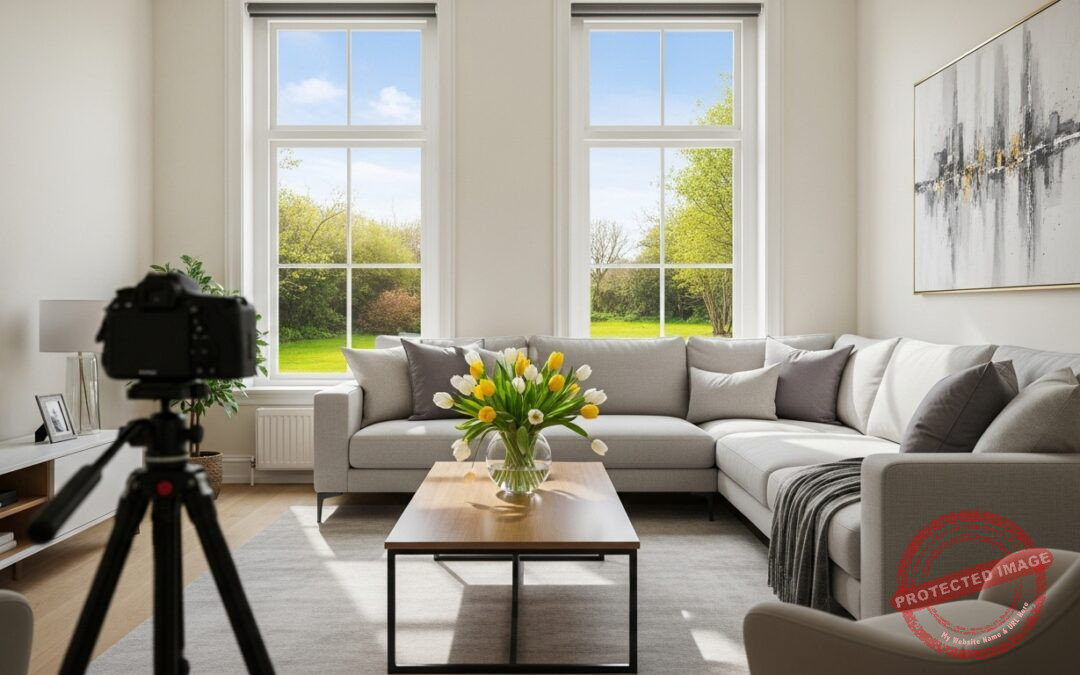
Mastering real estate photography tips is crucial for anyone looking to make a splash in the competitive property market. In today’s digital age, a picture truly is worth a thousand words, especially when it comes to selling homes. High-quality visuals are often the first point of contact for potential buyers, forming their initial impression and influencing whether they click to learn more or scroll past. Poorly lit, blurry, or unappealing photos can deter even the most interested buyers, leading to longer listing times and potentially lower offers. Conversely, professional-grade imagery can ignite interest, create an emotional connection, and drive significant engagement. This guide will equip you with 12 actionable strategies to elevate your property photos from average to absolutely breathtaking, ensuring your listings stand out and capture the attention they deserve. Whether you’re a seasoned agent, a budding photographer, or a homeowner aiming for a quick sale, these techniques will transform your visual marketing.
In the bustling world of real estate, captivating imagery is no longer a luxury but a necessity. The very first glance at a property listing often determines if a potential buyer will delve deeper. This is precisely where effective real estate photography tips come into play. Understanding the foundational principles of how to visually present a home can significantly impact its market appeal, online engagement, and ultimately, its selling speed and price. From composition to lighting, every element contributes to the narrative you’re telling about a property. This section will introduce you to the core concepts that underpin all successful real estate photography, setting the stage for more advanced techniques. We’ll explore why a strategic approach to photography is paramount and how it can differentiate your listings from the competition, ensuring they not only grab attention but hold it.
The journey to jaw-dropping real estate photos begins with a clear understanding of your objective: to showcase a property’s best features in the most appealing way possible. This involves more than just pointing and shooting; it requires planning, attention to detail, and a touch of artistry. Consider the emotional connection you want to evoke – warmth, spaciousness, luxury, or tranquility. Effective real estate photography tips often emphasize wide-angle lenses to capture the breadth of rooms, strategic lighting to highlight architectural details, and meticulous staging to create an inviting atmosphere. Consistency across all images is also vital; a uniform style throughout the listing portfolio builds trust and professionalism. Ultimately, the goal is to create a visual tour that pre-sells the property, making buyers eager to experience it in person. By mastering these essentials, you’re not just taking pictures; you’re crafting an experience that resonates with your target audience.
 In real estate photography, light is your most powerful tool. It shapes the mood, highlights features, and can either make a room feel expansive and welcoming or cramped and dull. Mastering both natural and artificial light sources is fundamental to capturing compelling property photo techniques. Natural light, especially during the ‘golden hour,’ can infuse spaces with a warm, inviting glow, showcasing the property’s livability. However, relying solely on natural light can be limiting, as weather and time of day are uncontrollable variables. This is where understanding artificial lighting comes in. Properly utilized, flash, continuous lights, and even existing fixtures can complement natural light, eliminate harsh shadows, and ensure every corner of a room is well-presented, creating a balanced and professional image. The key is to blend them seamlessly to achieve a harmonious and attractive illumination.
 Beyond just good lighting, the art of composition is paramount in creating stunning real estate photography tips that truly captivate potential buyers. Composition is essentially how you arrange the elements within your frame to create a visually appealing and informative image. A well-composed photograph guides the viewer’s eye, highlights the most important features of a room, and conveys a sense of spaciousness and flow. It’s about more than just showing a room; it’s about telling its story and inviting the viewer to imagine themselves living there. By paying close attention to angles, lines, and the rule of thirds, you can transform a simple snapshot into a professional-grade image that effectively communicates the property’s appeal. This strategic approach ensures that every pixel contributes to a positive and lasting first impression.
 Before a single photo is taken, effective staging and decluttering are absolutely essential for any successful listing photography guide. You can have the best camera and the most advanced photography skills, but if the property isn’t prepared correctly, your photos will fall short. Staging is about transforming a house into a home that potential buyers can envision themselves living in. It involves depersonalizing, cleaning, and strategically arranging furniture and decor to highlight the property’s best features and create an inviting atmosphere. Decluttering goes hand-in-hand, removing personal items, excess furniture, and any distractions that might detract from the home’s appeal. This preparation phase is not just about tidiness; it’s about crafting a narrative of aspiration and comfort, making the property irresistible to those scrolling through listings.
Equip yourself with these expert real estate photography tips and start capturing stunning images that attract more buyers and sell homes faster. Elevate your property marketing today by contacting us for your website design!
| contact us at website website design agency for your real estate photography website |
Typically, aperture priority mode (Av/A) with an aperture of f/8 to f/11 for sharpness and depth of field, a low ISO (100-400) to minimize noise, and a shutter speed fast enough to prevent blur (often adjusted automatically in Av mode or manually for bracketing).
They use wide-angle lenses (10-24mm), shoot from a slightly lower height, utilize leading lines, declutter and depersonalize, use mirrors to reflect light and space, and ensure good, balanced lighting throughout the room.
The best approach often involves a combination. Maximize natural light by opening blinds and curtains, then use an off-camera flash or continuous lighting to fill in shadows, balance exposures, and ensure consistent illumination without harshness.
A DSLR or mirrorless camera, a wide-angle lens, a sturdy tripod with a level, an external flash (speedlight), and possibly a remote shutter release and editing software are typically considered essential for professional results.
[fluent_booking id=”1″]