A recent survey conducted by SMB Group for Zoho’s Bigin CRM reveals that small businesses are ready to embrace customer relationship management (CRM) systems, despite some hesitancy.
The 2023 State of Customer Operations for U.S. Small Businesses report surveyed over 1,500 small companies and found using a CRM significantly boosts satisfaction with business operations.
Survey Shows What Small Businesses Want from CRM
The study showed that 58% of small businesses using a CRM were “very satisfied” with how they conduct business, compared to only 30% of non-CRM users. Nearly two-thirds of non-CRM users saw the benefits of a unified CRM system to improve customer operations. This indicates many small businesses recognize the value of CRMs but have yet to adopt one.
When evaluating CRMs, small businesses prioritize ease of use, time-savings, quick deployment, and overall value. Over half spend more than $100 monthly on their system, with 42% saving 5-10 hours per week thanks to their CRM. Non-users (39%) rely on makeshift solutions like spreadsheets, emails, and manual methods.
Nearly half (48%) of non-users felt their business was too small for a CRM, despite agreeing it would be beneficial. But CRM users reported (47%) much higher levels of efficient operations and excellent customer experiences compared to non-users (30%). Overall, CRM systems positively impact small business growth and success.
The top challenges small businesses experience are personalizing interactions, getting repeat business, and converting prospects. Growing revenue, attracting new customers, improving employee productivity, and improving customer experience are the top four overall challenges that small businesses face today. However, 64% foresee major growth in 2024 despite struggles to lift revenue, productivity, and customer experience.
“A comprehensive CRM puts all of the necessary sales, marketing and service tools and information in one place, helping them improve operations and cater to customer requirements. Our study shows that CRM is a game-changer for small businesses striving to attract new customers, boost revenues, and enhance customer experiences,” said Laurie McCabe, Co-founder & Partner, of SMB Group.
More Findings
The survey indicates small businesses recognize the need for CRM, although they are hesitant to implement it. Small companies can unify data and improve customer satisfaction with the ideal solution focused on ease of use and value. CRM systems not only enhance operations but equip small businesses for scalable growth.
CRM systems have an overwhelmingly favorable impact, as 95% of CRM users ranked their customer experience as excellent (55%) or good (40%), compared to lower satisfaction among non-users. CRM users were also much more likely to believe their operations were efficient.
“Small businesses are seeking a CRM system that is cost-effective, efficient, and simple to implement, as indicated by the survey findings,” says Mani Vembu, Chief Operating Officer at Zoho.
The study provides compelling evidence that small businesses are poised to accept CRM systems regardless of lingering doubts. Affordable and user-friendly solutions can assist them in centralizing customer data, increasing productivity, and setting the stage for taking interactions to the next level.
How CRMs Can Transform Small Businesses
Customer relationship management (CRM) systems offer immense benefits for small businesses. CRMs centralize customer data and interactions in one platform, providing sales, marketing, and support teams complete visibility. This unified view improves communication, collaboration, and overall efficiency. CRMs also track every customer touchpoint and interaction, enabling small businesses to derive insights and personalize experiences.
In addition to managing contacts and interactions, CRMs provide tools for automating workflows and business processes. Features like email marketing, lead scoring, customer segmentation, and sales pipelines eliminate manual tasks and scale operations. CRMs can also integrate with other apps and systems, becoming a hub for business activities.
For resource-strapped small businesses, an intuitive and affordable CRM solution delivers outsized impact. CRMs boost productivity, organization, and growth capabilities. Rather than siloed datasets, teams have shared access to complete customer profiles. This drives informed decision-making, coordinated efforts, and, ultimately, better customer experiences.
The survey makes clear small businesses want CRM systems that are affordable, quick to implement, easy to use, and deliver significant time-savings. Adoption of the right CRM technology can help small businesses boost growth and maximize satisfaction.
Get the latest headlines from Small Business Trends. Follow us on Google News.
Thinking about investing or growing your business? There are a few important metrics you need to measure. One of these is debt-to-equity ratio. This key number provides a look into a business’s health, a crucial factor for companies planning on going public. Lenders use it when making loan decisions, and investors rely on it to assess business performance. Interested? Here’s everything you need to know about debt-to-equity ratio.
What is debt-to-equity ratio?
A debt-to-equity ratio (or D/E ratio) shows how much debt a business has relative to the capital invested by its owners plus retained earnings. This ratio is calculated by dividing a firm’s total debt by total shareholder equity.
D/E Ratio = Total Debt / Total Shareholders Equity
Debt-to-equity ratio example
Let’s use an example for clarity. Suppose a business has $800,000 in total debt and $200,000 in shareholder equity. You would calculate the D/E ratio as follows:
D/E Ratio = $800,000 / $200,000 = 4
You can also express D/E as a percentage. In our case, a D/E of 4 also equals 400%. This means that for every $1 of shareholder equity, the business owes $4 in debt. Companies with a higher D/E ratio may have a difficult time covering their liabilities.
Types of debt in D/E ratio
A D/E ratio can include all or some of the following types of debt:
Accrued liabilities
Short-term debt
Long-term debt
Accounts payable
Leases and other financial arrangements on a company’s balance sheet
D/E ratio is incredibly useful for potential investors. It helps them understand how much shareholder equity is already committed to a business. Banks also use D/E ratio to determine how leveraged a company is before approving loans or other forms of credit. This is crucial for assessing the potential risk involved with lending to a particular business.
Interpreting debt-equity ratio
A high debt-to-equity ratio generally means a company is using more borrowing to finance its operations, implying greater risk. This is common in startups or fast-growing businesses, where substantial risk can come with high potential rewards. In contrast, sectors like utilities or manufacturing, which require significant investment, regularly exhibit higher ratios.
Although a lower ratio is usually preferred, an excessively low one could point to the underutilization of assets. This could make the company less appealing to investors. A good debt-to-equity ratio is between 1.5 and 2.
Tips to lower your company’s total liabilities
Is your debt-to-equity ratio too high? Don’t sweat. We’ve got you covered with these actionable steps:
Raise your profits: Look for ways to increase sales, like promoting popular items or cross-selling. At the same time, identify areas to cut costs—consider negotiating with suppliers or reducing overhead where possible.
Get a grip on inventory: Implement a solid inventory management system—this could be as simple as regularly reviewing stock levels and sales data. Keep your stock lean to avoid tying up funds in excess inventory.
Act on your loans: Start by tackling your highest interest debt first—this is known as the “avalanche” method. Automate your loan payments to ensure you never miss them. Don’t add more to your plate by taking on new debt.
Refinance sensibly: If you have high-interest loans, speak to your bank about refinancing options. Monitor the market rates and strike when they’re low to restructure your debt, reducing the interest you pay and your overall debt.
Debt-to-equity ratio use cases
Debt-to-equity ratio has several uses. For example:
Investors use debt-to-equity ratio to assess the risk of investing in a particular company. A high ratio indicates greater reliance on debt financing, suggesting a riskier investment.
Creditors rely on this ratio to determine a company’s ability to repay loans. A higher ratio indicates more debt, potentially making the company a risky borrower.
Financial analysts leverage debt-to-equity ratio to compare a company’s financial health with others in the same industry. A higher than average ratio could signal trouble.
Company management uses the ratio to plan financial strategies. If the ratio is high, they may opt to increase equity financing to improve financial stability.
Using debt-to-equity ratio for financial leverage
Now that you’ve learned about debt-to-equity ratio, it’s time to leverage it. Compare your business’s ratio to that of similar companies in your industry. This exercise can give you insights into your financial standing.
Don’t stop there though. It’s crucial to pair debt-to-equity ratio with other measures like the current ratio, return on equity, and net profit margin. Using them all together gives you a full financial picture.
Lastly, keep an eye on D/E ratio often. Doing so will help you spot trends, solve problems early, and stay in good financial shape.
Debt-to-equity ratio FAQ
Can debt-to-equity ratio be negative?
Yes. When a company’s debt interest rates exceed its profits on investments, its debt-to-equity ratio will be negative.
A company can land in negative debt-to-equity ratio territory for a variety of reasons:
To cover losses, the company choose to take on more debt instead of leveraging shareholder equity.
Instead of keeping the payouts within the limit of shareholders’ equity, the company distributed hefty dividends.
The company suffered a harsh financial downturn following large dividend payments.
What does a debt-to-equity ratio of 1.5 mean?
A debt to equity ratio of 1.5 suggests that a business has $1.50 in debt for every $1 of equity in a company. This ratio is used to assess the potential risk (and potential reward) that a company carries.
Is a higher debt-to-equity ratio better?
It depends. For instance, in sectors like telecoms or utilities, where big investments are common, firms might prefer a higher debt-to-equity ratio. In contrast, in fast-paced industries like fashion or tech startups, high debt-to-equity ratios may hint at trouble. In essence, a higher ratio can mean more risk, but also greater potential returns.
Navigating the intricate landscape of the TikTok app can sometimes lead to a rather unanticipated consequence known as a TikTok shadowban. Understanding the mechanisms that trigger such actions is crucial for any user aiming to maintain a steady presence on the platform. In “How Do You Get Shadowbanned on TikTok,” we’ll delve into the key factors contributing to shadowbanning on TikTok and provide insights on how to steer clear of this situation.
How You Can Use TikTok for Business
Looking to leverage the immense potential of TikTok for your business? Learning how to use TikTok for Business can help you engage with your audience and improve your bottom line. A pro account offers invaluable tools to boost your strategy and can help you sidestep the Shadowban on TikTok hurdle. First, you have to learn how to get verified on TikTok and then continue providing valuable content for your followers.
Avoiding ghost banning and stealth banning ensures optimal visibility amid countless social media apps. Let’s explore five impactful methods:
Engaging Content Creation: Create TikTok content ideas that are creative and relatable. Creating videos this way resonates with your target audience, fostering a genuine connection.
Utilize Trending Challenges: Jump on trending challenges to increase your reach and engagement while keeping your brand message intact.
Collaborate with Influencers: Partner with TikTok influencers to tap into their established follower base, enhancing your brand’s credibility.
Strategic Hashtag Usage: Employ relevant and trending hashtags to make your content discoverable and part of broader conversations.
Consistent Posting Schedule: Maintain a consistent posting schedule to keep your audience engaged and accustomed to your content flow.
What is a Shadowban on the TikTok App?
A shadowban on the TikTok app, much like on other social media sites, is a stealthy action that impacts both TikTok users and businesses that rely on this platform for visibility.
It restricts the discoverability of a TikTok account, limiting its exposure to a broader audience. This can stem from various factors like violating community guidelines or utilizing inappropriate content strategies.
How Do You Get Shadowbanned on TikTok?
Getting a TikTok shadow ban can occur if your TikTok videos breach the platform’s guidelines.
Posting inappropriate content or engaging in spammy behavior could lead to diminished visibility for your TikTok account.
To prevent this, it’s not just about avoiding violations but also about building a positive online presence.
Ensuring your interactions are genuine, respectful, and aligned with TikTok’s community standards is the foundation for sidestepping the risks of shadow banning and maintaining a thriving online presence.
What are the Consequences of Being Shadowbanned on TikTok?
Curious about the aftermath of a shadowban on TikTok? Learning about the potential consequences is essential. Here are some potential negatives that could unfold, including:
Diminished Reach: Your content’s visibility takes a hit, resulting in reduced engagement and growth potential.
Stunted Engagement: Fewer likes, comments, and shares lead to a less vibrant community around your content.
Impaired Discoverability: Your content won’t appear in relevant searches, limiting new audience discovery.
Potential for a Permanent Ban: Repeated violations could escalate to a permanent ban, causing you to lose access to the platform.
Consequence
Description
Immediate Impact
Long-term Impact
Diminished Reach
Visibility of your content decreases, reducing its reach.
– Loss of platform access. – Loss of existing audience and content.
How TikTok Users Can Avoid Getting Shadowbanned
Ensuring a safe space on TikTok requires adhering to TikTok’s terms to avoid the looming threat of a shadowban. As a video app that values creativity and authenticity, maintaining respectful interactions and following community guidelines is paramount in sidestepping the potential pitfalls of a TikTok shadowbanning.
Here’s how TikTok users can avoid getting shadowbanned:
Understand Community Guidelines:
Familiarize yourself with TikTok’s community guidelines. Regularly check for updates and changes to stay compliant.
Refrain from promoting harmful activities, misinformation, or violence.
Avoid Copyright Violations:
Do not use copyrighted music or video clips without proper permission.
Utilize the in-app music library or original compositions to be on the safe side.
Engage Respectfully:
Do not engage in hate speech, bullying, or discriminatory remarks.
Report abusive content rather than engaging negatively with it.
Avoid Overposting:
Flooding your followers or the platform with excessive content in a short span can trigger the platform’s spam filters.
Spread your posts evenly throughout the day or week.
Be Mindful of Content:
Ensure your content does not contain explicit or graphic materials.
Avoid sharing false or misleading information.
Steer Clear of Bots and Automation Tools:
Using bots or third-party tools to gain followers or likes can be flagged by TikTok.
Engage organically to build a genuine following.
Monitor Your Analytics:
If you notice sudden drops in engagement, it might be a sign of shadowbanning. Investigate potential causes and rectify them.
Engage with Your Followers Authentically:
Respond to comments and messages genuinely. Authentic engagement increases your standing with both the community and the algorithm.
Keep Your Account Information Updated:
Ensure your email, phone number, and other contact details are accurate. This can prevent account flags or security concerns.
Avoid Controversial Topics:
While it’s essential to express yourself, be aware that certain controversial topics might be flagged or suppressed on the platform.
Report Issues Promptly:
If you suspect you’ve been shadowbanned, reach out to TikTok support. Addressing issues head-on can often lead to quicker resolutions.
Remember, TikTok’s primary concern is ensuring the platform remains a positive and safe environment for its users. Staying informed and following the platform’s terms and guidelines closely is the best way to enjoy the app without facing restrictions.
Tiktok’s Community Guidelines
Navigating the TikTok landscape necessitates a firm grasp of TikTok’s community guidelines.
These regulations set the tone for acceptable behavior on the platform, shaping the experience for every TikTok user.
Familiarizing yourself with these guidelines is a pivotal step in preventing TikTok shadowban repercussions.
No Hate Speech: Upholding this rule is crucial to avoid getting a permanently banned TikTok account. Discriminatory language or harmful content is strictly prohibited.
No Spam Behavior: Engaging in repetitive or excessive posting content can trigger penalties, including TikTok shadowbans. Maintain authentic interactions.
No Fake News: Disseminating false information contradicts TikTok community guidelines and can lead to potential consequences.
No Harassment: Avoid engaging in any form of online harassment or bullying, ensuring a positive environment for all other TikTok users.
No Graphic Content: Violent or explicit imagery goes against TikTok’s standards, underscoring the platform’s commitment to a safe space.
No Copyrighted Music: Using copyrighted music without proper authorization could result in content removal or other penalties.
No Adult Content: Sharing explicit or adult content contradicts TikTok’s community standards and may lead to account-related consequences.
How to Tell if Your TikTok Account is Shadowbanned
Determining whether your account is shadow-banned doesn’t require complex sleuthing.
If your content is absent from text searches or fails to appear on the For You page, the TikTok algorithm might be at play.
Alternatively, another user who stumbles on the video points it out.
Keep an eye out for a sudden drop in engagement using your TikTok analytics, and if other users seem to see your content less frequently, it might be indicative of a shadowban, which is an automatic process.
How Long Does a Shadowban Typically Last on TikTok
The duration of a TikTok shadowban can vary, lasting from a few days to several weeks.
However, it’s crucial to address the issue promptly to avoid prolonged consequences or the risk of being permanently banned.
Regularly monitoring your content’s visibility and seeking feedback from other users can help gauge the effectiveness of your actions.
Keeping a vigilant eye on engagement metrics and staying attuned to your audience’s response enables you to adjust your strategy and work towards lifting the shadowban effectively.
How Do You Get Unshadowbanned on TikTok?
Reclaiming your TikTok visibility post-shadowban involves strategic steps and understanding the process of getting unshadowbanned is key to reinstating your content’s reach.
Let’s explore five useful tips to help you get unshadowbanned on TikTok.
Review and Revise Content: Audit your recent posts for offensive content or potential guideline violations. Delete or edit posts that might have triggered the shadowban.
Reinstall TikTok: If the issue persists, consider uninstalling and then reinstalling the app. This can sometimes refresh your account’s status.
Adjust Hashtags and Captions: Be cautious about your use of hashtags and captions. Make sure they adhere to TikTok’s guidelines and are relevant to your content.
Switch to a Pro Account: Upgrading to a Pro account can provide insights into your content’s performance, helping you make more informed decisions.
Engage with Authenticity: Focus on authentic interactions with your audience. Respond to comments, participate in challenges, and build a positive community around your TikTok account.
Method
Description
Pros
Cons
Review and Revise Content
Audit recent posts for potential violations. Edit or delete triggering posts.
– Directly addresses potential violations. – Can show TikTok you’re being proactive.
– Time-consuming. – May lose content history.
Reinstall TikTok
Uninstall and reinstall the app to refresh account status.
– Quick fix that sometimes works.
– Not guaranteed to work.
Adjust Hashtags and Captions
Ensure hashtags and captions adhere to guidelines and are content-relevant.
– Can boost content visibility. – Reduces risk of future shadowbans.
– May need constant revision. – Requires knowledge of TikTok’s guidelines.
Switch to a Pro Account
Upgrade to a Pro account for insights on content performance.
– Gives deeper insights into content performance. – May enhance account credibility.
– Not directly linked to shadowban resolution. – Might not be suitable for all users.
Engage with Authenticity
Prioritize authentic audience interactions. Engage in challenges and nurture a positive community.
– Builds trust with followers. – Encourages positive account growth.
– Time-intensive. – Not a direct solution to shadowban.
FAQs
What is shadowbanning on TikTok?
Shadowbanning on TikTok refers to the practice of limiting the visibility of a user’s content without notifying them. This can result in fewer views, likes, and engagement.
How can I tell if I’ve been shadowbanned on TikTok?
If you’ve been shadowbanned, you may notice a significant drop in engagement, views, and followers. Your content may not appear in searches or on the “For You” page.
What actions might lead to a shadowban on TikTok?
Shadowbanning may occur if a user violates TikTok’s Community Guidelines, such as posting inappropriate content, spamming, or engaging in harassment.
Can I appeal a shadowban on TikTok?
Yes, if you believe you’ve been shadowbanned unfairly, you can contact TikTok’s support team to review your case.
How long does a shadowban on TikTok last?
The duration of a shadowban can vary. It may last a few days or weeks, depending on the severity of the violation.
How can I avoid getting shadowbanned on TikTok?
To avoid shadowbanning, follow TikTok’s Community Guidelines, avoid posting controversial or inappropriate content, and engage with the platform responsibly.
Is shadowbanning on TikTok officially acknowledged by the platform?
As of my knowledge cut-off date in September 2021, TikTok has not officially acknowledged the practice of shadowbanning. However, many users have reported experiencing it, and it’s a subject of ongoing discussion within the community.
Considering incorporating your business? While forming an LLC or registering as a sole proprietor might be the first options that come to mind, they’re not your only choices. Corporations, specifically S Corps and C Corps, could offer benefits that align better with your business needs.
Forming a corporation gives you more credibility in the business world. It can make your business seem more established and reliable to customers, partners, and investors. Plus, it provides the added advantage of shielding your personal assets from any business liabilities.
The choice between C Corp and S Corp comes down to their different rules for taxation and ownership. We’ll delve into those differences so you can make the best choice for your business.
What is a C Corp?
A C Corporation is a company run by a board of directors. C Corps issue stocks to shareholders and are taxed under Subchapter C of the Internal Revenue Code. Large US firms like Walmart and Microsoft are C corporations, meaning their shareholders are protected from business-related liability.
Most US states recognize newly formed corporations as C Corps, making them the default corporation type. These firms are taxed on corporate income, and their shareholders are taxed again on any dividends they receive from the business. As such, C Corp owners are subject to double taxation.
Appoint a CEO, board of directors, and registered agent.
File articles of incorporation with your state’s secretary.
Draft and submit company bylaws.
Issue stock.
If issuing stock to over 35 shareholders, register with the Securities and Exchange Commission.
Apply for local and state business licenses.
Submit Form SS-4 to the IRS to get an employer identification number (EIN).
What is an S Corp?
An S Corp (S Corporation) is a legal entity with a pass-through taxation status. This status allows it to pass all corporate income, credits, losses, and deductions to its shareholders for federal taxation. Consequently, shareholders include these distributions in their personal tax returns, and the tax obligations apply at their individual income tax rates.
Pros and cons of S Corps
S Corps offer a range of benefits to business owners and shareholders. However, there are also a few drawbacks of registering your entity as an S Corp.
Advantages of S Corps
S Corp shareholders have limited liability protection; the business entity is separate from its shareholders.
Legal disputes targeting the business can’t impact shareholders’ personal assets.
As a pass-through entity, S Corp lets corporate profits and losses go directly to shareholders.
S Corp owners don’t have to pay federal income tax on company profits.
Shareholders enjoy personal income tax rates on distributions.
S Corps can reinvest profits back into the company at a far lower tax rate than other entities.
Disadvantages of S Corps
S Corps face limitations in funding through share issuance; they can only have up to 100 non-corporate US citizens or permanent resident shareholders.
S Corps are often under close IRS scrutiny due to their pass-through tax benefits, which can potentially be misused to hide taxable payments (like employee payments) as pass-through distributions.
How to form an S Corp
As a small business owner, you can form an S Corp by meeting the following requirements:
Pick a unique business name.
Appoint your board of directors, corporate officers, and a registered agent.
Hold annual board meetings and record the details.
Submit articles of incorporation to your state’s secretary and the US Internal Revenue Service.
Write bylaws to guide stock issuance, meetings, board votes, and changes in the board members, then file them.
Issue stock to a maximum of 100 shareholders who are legal US residents and not corporations.
File a Form 2553, also known as Election by a Small Business Corporation, with the IRS.
Apply for business licenses at local, county, and state levels.
Request an employer identification number (EIN) from the IRS by submitting a Form SS-4.
C Corp vs. S Corp: similarities and differences
Fundraising
Similarities: S Corps and C Corps both raise funds through selling stock.
Differences: C Corps can issue both common and preferred stock, while S Corps are limited to a single class of stock.
Operations
Similarities: Both S Corps and C Corps require detailed record-keeping, annual meetings, and a board of directors. They both operate according to bylaws.
Differences: There are no significant differences in the operational requirements of S Corps and C Corps. Both entity types must draft and abide by company bylaws concerning stock issuance, meeting schedules, and board operations governance.
Taxes
Similarities: Shareholders in both S Corps and C Corps pay taxes at the personal rate on corporate distributions. Additionally, both structures protect shareholders’ personal assets from corporate liabilities.
Differences: C Corps encounter double taxation; they pay taxes at the corporate level, and shareholders also pay taxes on dividends. S Corps avoid this through pass-through taxation, where shareholders only pay personal income taxes on company distributions.
Shareholders
Similarities: Both S Corps and C Corps allow for multiple owners through shareholders.
Differences: S Corps limit shareholding to 100 US citizens or permanent residents. C Corps face no such limits and can issue shares to any entity, be it foreign or domestic.
Taking the next step
Choosing between an C Corp and S Corp requires you to address several key questions:
Are you considering raising funds by issuing stocks?
Do you anticipate having investors from overseas or business entities?
How do you envision your shareholder pool now and in five years?
Is selling your company a part of your future plan?
Can your finances handle double taxation or, alternatively, increased IRS scrutiny?
The answers to these questions should guide you toward the most suitable choice for your business, whether that’s an S Corp or a C Corp. But don’t forget, these aren’t your only options. An LLC, partnership, or even a sole proprietorship might better align with your startup’s needs. Always keep your specific business goals in mind when making this decision.
C Corp vs. S Corp FAQ
How do I know if a company is a C Corp or an S Corp?
Consulting the company’s public records, such as its articles of incorporation or filing with the IRS, can help you determine whether a company is a C Corp or an S Corp. Alternatively, you can contact one of the company’s representatives and ask them to provide the necessary details.
What is the difference between an S Corp and a C Corp?
The key difference between an S Corp and a C Corp lies in ownership and taxation. In S Corps, profits and losses are passed through to shareholders’ personal tax returns. Meanwhile, C Corps are taxed separately from their owners and have potentially higher tax implications. Although a C Corp offers more flexibility, it is expensive to form and often subject to double taxation.
Which is better: an LLC or an S Corp?
When choosing a business structure, make sure to account for your individual goals and requirements. If flexibility is what you seek, LLCs offer just that. They allow for different ways to organize ownership, manage operations, and handle taxes. If avoiding excess taxation matters, S Corporations make a strong case. They help shareholders avoid double taxation and occasionally treat them to tax benefits. However, the ideal corp status ultimately depends on your specific business needs and objectives.
Which has lower taxes: a C Corp or an S Corp?
In general, C Corporations tend to pay more in taxes than S Corporations. S Corporations are pass-through entities, meaning their earnings are distributed to shareholders. These shareholders are then taxed at their personal income tax rate, which is typically lower than corporate income tax.
September is National Disaster Preparedness Month. While being ready to face an unforeseen event is a year-round endeavor, take this time to be sure your business has its tax and financial records secure and that other measures are taken to be prepared.
Create an emergency plan
If you don’t have a written plan, make one now. If you have one, review it now. Plans should include what to do when an emergency strikes. For example, if your building has an elevator that will cease to function in a disaster, how will you evacuate employees, including those who may have a disability? Think about different scenarios so you can have your responses mapped out.
Be sure to have all important phone numbers in your contact list, including employees (or someone who will contact all employees), your insurance agent, FEMA (800-621-3362), and the SBA (800-659-2955). Ready.gov has toolkits to help you plan for power outages, inland flooding, and other events that put your business at risk.
Look into mitigation measures
What can you do now to ensure the safety of your business property? Depending on location, a business may want to take actions for wind mitigation (e.g., install a safe room or storm shelter; update pressure-rated windows), flood mitigation (e.g., elevate structures; add sump pumps), wildfire mitigation (e.g., install non-combustible gutters; install a Class A fire-rated roof), and earthquake mitigation (e.g., anchor rooftop-mounted equipment; strengthen and retrofit masonry buildings).
The SBA offers mitigation assistance in the form of low-interest disaster loans to small businesses impacted by a disaster. Up to 20% of the loan proceeds can be used to make building upgrades.
You can write off the cost of mitigation efforts. Capital improvements to your facilities usually are recovered through depreciation over a number of years, but may qualify for an immediate deduction through first-year expensing (100% of the cost up to an annual dollar limit) or bonus depreciation (80% of the cost in 2023 with no dollar limit). Check your options through IRS Publication 946, How to Depreciate Property (the publication hasn’t been updated for 2023, but you can get a general idea). Also talk with your CPA or other tax adviser to determine how much tax savings you can reap from your mitigation efforts.
Note: There is a proposed law in Congress—the Shelter Act—that would provide a tax credit of up to $5,000 for businesses that make disaster mitigation improvements. This would apply to such improvements as strengthening the durability of a roof or elevating a building within a flood zone.
Review your insurance coverage
Be sure your existing policy provides the coverage you think you have or what you need. Your policy should cover your property—your building, inventory, equipment, etc.
You may also want to look into business interruption coverage, also called business income insurance. It provides lost net income due to a closure while repairs are made. It provides cash to pay rent, employee wages, taxes, loan payments, and other ongoing costs. This type of policy is designed primarily for companies with 100 or fewer employees and revenue up to $5 million. The NAIC estimates that 30-40% of small business owners carry this type of insurance.
The Insurance Information Institute has information on insuring your business against catastrophe. As you think about coverage, keep in mind that premiums decline as you increase policy deductibles and premiums are fully tax deductible.
Recordkeeping tips
Businesses are required to keep good books and records. This includes an accounting system as well as other documentation (e.g., receipts; invoices). If a disaster destroys the records, it becomes very difficult to reconstruct them from memory. You can request back tax returns from the IRS.
Today, it’s easy to store tax documents and other materials online. Your options:
Scan documents and store them in the cloud or copy files to a CD or DVD that you keep offsite.
Use a document service, such as Shoeboxed, that will scan your documents and index them for easy retrieval. Check prices.
Also have an inventory of your business property, such as desks, computers, machinery, and merchandise. This can expedite an insurance claim.
From online surveys to envelope stuffing, there are lots of popular get-rich-quick money-making ideas. Do they work? Not really. Could you make some money? Possibly. However, the reality is that there are genuine ways to make money online.
Digital nomads are capitalizing on freelancing opportunities, while marketers are optimizing digital campaigns. Entrepreneurs are building their empires from their living rooms. Armed with just a laptop and steady internet, let’s explore some of these legitimate avenues to earn online.
How to make money online: 30 real ways
1. Start a dropshipping business
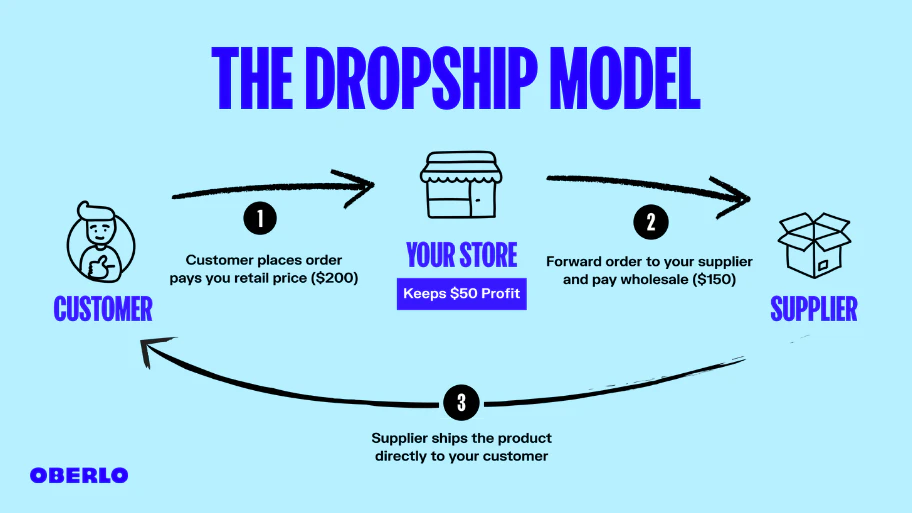
Dropshipping is a business model where you sell a product to a customer, but the supplier handles the storage, packaging, and shipping on your behalf. You can dropship through your own ecommerce store—just install a dropshipping app and you’ll gain access to dozens of suppliers across various product categories. Some dropshipping apps allow you to hand-pick your product images, edit item descriptions, and give your business a personalized vibe so people will love shopping with you.
Sending direct messages (DMs) to potential customers on social media
Ready to start a dropshipping business? Shopify is the platform most online entrepreneurs use to sell products without inventory. With Shopify dropshipping apps, you can source a variety of products and have them shipped to your customers.
Print on demand (POD) is another popular way to earn money online. Many individuals have adopted this business model because it has lower overhead than other businesses.
Print on demand is similar to dropshipping in the sense that you don’t need to carry inventory or ship out products to customers yourself. There are two slight differences, though. First, you can make your own custom products, which is great for brand recognition. Second, you can choose from specific items rather than a vast range of categories. Most print-on-demand companies offer products that are easy to print on, like t-shirts, mugs, and tote bags.
The best way to make money with your print-on-demand business? Free marketing channels. Your best bet would be to promote your products for free on Instagram and TikTok, and through social media influencers who convert their audiences well.
You can get a complete overview of print on demand versus dropshipping by watching us get into a healthy debate with Wholesale Ted about the pros and cons of each business model.
3. Make money with affiliate marketing
Affiliate marketing is one of the most popular ways to make money online. Throughout the years, its popularity has gone up and down, but it continues to be an effective way to earn passive income. The best part about affiliate marketing is that you choose from a vast range of companies to partner with, including Shopify, Amazon, and Uber.
This business model allows you to earn a living by promoting other brands. Once you’ve signed up for an affiliate marketing program, you’ll start earning commissions from sales of retail products, software, apps, and more. While the commission may seem small, keep in mind that you can be an affiliate for several brands and promote a variety of products across different platforms.
If you really want to make money online doing affiliate marketing, your best bet is to focus on content marketing. By building out a blog with several pages of high-quality content, you create an asset you can call your own. Strategically place affiliate links in your blog posts to drive traffic to your affiliate partner’s website.
4. Start a YouTube channel
If others are profiting from YouTube, you can too. Take for instance, Jimmy Donaldson, also known as MrBeast. His outlandish stunts earned him $54 million from YouTube in 2022. Jake Paul is another successful YouTuber, raking in $45 million from high-energy pranks and boxing content. His YouTube fame even helped him generate income beyond ad revenue.
Your YouTube channel should focus on a single niche so you can build a strong, loyal audience. For example, you can create makeup tutorials, stream video games, review products, teach skills, create prank videos, or anything else you think there’d be an audience for.
The key to earning money on YouTube is creating content people want to watch. Enticing headlines and keyword-optimized descriptions can draw viewers to your videos. Once you hit the 1,000-subscriber mark, you become eligible to earn advertising revenue through running ads on your content.
5. Become an influencer
Building a personal brand can also help you make money online. Soccer star Cristiano Ronaldo charges more than $2 million for a sponsored Instagram post, for example. While it may seem like reality stars, singers, and athletes are the biggest influencers, keep in mind that even smaller-scale influencers can make more money today than they did a few years back.
To become an influencer, you need to build a healthy following. The best platforms to get started on? Instagram and TikTok. Some of the biggest non-celebrity influencers often gained their first taste of exposure on these platforms. You might want to check out how to get more Instagram followers if you want to build a big Instagram audience.
To make money as an influencer, you can charge for sponsored posts, add affiliate links in your bio, sell your photos, sell ads on your own podcast, make and sell merch, get paid to appear at events, and more.
6. Create an online course
Selling courses is one of top strategies for earning money online. If you’re an expert in a particular subject, you can monetize your knowledge by creating online courses. These courses can be sold on platforms like Udemy or, if you already have a dedicated audience, through your own website. Some entrepreneurs are making as much as $5,000 per month from online courses.
To build a popular and successful course, look to trending courses in your niche for inspiration. Pay close attention to the reviews. Identify what aspects receive high praise and what elements are criticized. How can you build something that surpasses what’s already available? Aim to create content that addresses common complaints while incorporating the positive aspects that people appreciate.
The platform on which you choose to sell your course will influence your strategy for earning money online. With Udemy, there’s less need for promotion—it’s almost a set-it-and-forget-it situation. Perhaps you’ll want to give it a boost on some blogs or social media networks. If, on the other hand, the course is hosted on your own website, you might consider running ads to promote it. Additionally, you could build an email list to market future courses without the added expense of paid advertising. This can provide an effective route for earning money online organically.
7. Publish an ebook
With Amazon Kindle Direct Publishing, it’s never been easier to publish an ebook. All you need to do is write the ebook, format it, create an ebook cover, publish it, and promote it. In 2013, I created several ebooks on Amazon, and even though it didn’t make me rich, I still made some money from it.
You can choose to hire a writer for your ebook, a graphic designer to design the cover, and a manuscript editor to eliminate errors from the content. When researching the topic, focus on keywords based on popular searches on Amazon. The Keyword Tool is a great choice for finding the words people use while searching, so you can craft your title around them.
To generate sales for your ebook, focus on marketing tactics that are proven to attract customers. For example, you can give the first few copies of your book away for free. This helps you create buzz on social media and get some reviews. Getting reviews helps you gain customers via social proof. Other effective strategies for promoting your ebook include influencer marketing and video campaigns.
8. Start a blog
Blogging is one of the oldest methods for making money online. People who love writing tend to start blogs with a niche focus. For example, a blog about procrastination, cars, dropshipping, toys, etc., is often a narrow enough focus to build a loyal following and big enough that you can cover a lot of ground. For those looking to make money online fast, this method can be a rewarding venture.
You can start a blog on various platforms, such as Shopify (remove the checkout feature, so you don’t have to pay a subscription as you build it out) or WordPress. When you start your blog, focus on very specific keywords with a tight focus and continue to expand into other but still relevant categories as you grow and dominate new spaces. This will allow you to build a massive blog over time.
If you’re keen on earning extra cash, blogging offers diverse ways to achieve that goal. You can add affiliate links in your posts (don’t forget a disclaimer). You can monetize your blog by placing ads strategically in your posts. Sponsored posts can help you make money from specific brands—this is popular among review bloggers. Bloggers can also sell digital or physical products on their websites. You can also use a blog to build a personal brand that helps you get speaking gigs, television deals, or big contracts from clients.
9. Consider freelancing
The easiest way to make money online is to take your current job in your 9-to-5 role and do it online instead. For example, if you’re a writer, data entry specialist, graphic designer, teacher, developer, etc., you can market these skills and find clients online who are willing to pay you to apply them.
There’s a never-ending list of job platforms for each type of freelancer too. For example, freelance writers can apply for jobs on specific online writing job boards, but also on general freelance websites like Fiverr, Freelancer, Upwork, and all the others. If you find that your skills can’t be directly used to create income streams, you can try monetizing other transferable skills you may have.
To make money online as a freelancer, you need to start by building out a strong portfolio. That may mean doing free work for some reputable mid-tier brands to start. Once you create a strong portfolio, you can reach out to potential big clients to earn more money online. Remember, freelancing is a numbers game: the more applications you fill out and submit, the more likely you’ll be to get a response back.
10. Create an app
If you’re not a developer, you’re probably looking at this money-making idea and feeling a bit stuck. Fortunately, you can hire someone with programming skills to build an app for you. Sites like Toptal will connect you with plenty of app developers who are open to working with entrepreneurs to turn their vision into reality.
All you have to do is come up with a unique app idea, identify the audience you want to target, and create a brand image for your product. The programmer you hire will take care of things on the development front.
When it comes to making money with your app, your best bet will be to add it to Google Play and the App Store. And while it may seem counterintuitive, having a free app can help you make more than a paid app. With a free app, you can add ads or premium features to help you make money. Since the free app will attract a higher volume of people, it’ll be easier for you to upsell them.
11. Become a writer
With a growing interest in content marketing, more and more companies are looking for writers who can fill their web properties with great content. The secret to succeeding as a writer is to focus on a specific niche. Many writers try to be generalists, covering everything from food to tech. However, a niche focus sets you apart.
What about AI replacing human writers? While AI can generate content, it lacks the human touch. As a writer, your experience in a niche adds value. You can offer thoughts, experiences, and insider perspectives. That’s what brands want. That’s what they pay for.
When applying for writing jobs, be specific. Send relevant samples. If asked for a marketing piece, send one. Don’t send a finance article. Or a fitness one. Why? Hiring managers need to see your understanding of the niche.
Sites for finding freelance writing jobs include:
12. Do side gigs
Side gigs can help you make money online while you keep your full-time job. If you’re looking to make an extra couple of hundred dollars per month, this is a great idea. The work doesn’t always last long term, but it can.
Use platforms like Fiverr to find part-time gigs you can do online. As a new entrant in the gig economy, you’ll want to focus on offering a low price so you can get your first review. I’d recommend asking a friend to buy your gig and leave your first review so you can get started faster. Treat the friend like a client and actually deliver a finished product that you can feature in your portfolio.
Another aspect of Fiverr is that it’s largely a numbers game. If you look at top Fiverr users, you’ll see that they have multiple gigs available. The more gigs you have, the more likely it is that you will be found.
If you don’t want to get paid Fiverr prices, you can turn to platforms like FlexJobs to find side gigs. Under its jobs section, you can search for contract or telecommute opportunities. The great thing about the telecommute opportunities on FlexJobs is that you can apply for them in any city in the world.
FlexJobs has a variety of side gigs including writing, business, design, accounting, and more. So, if your talents don’t match up with anything else on this list of money-making ideas, you might want to try a side gig from FlexJobs. Applying to multiple opportunities will increase your chances of landing a few gigs in a short period.
13. Do translation work
Translation is a fairly underserved niche, meaning there’s less competition in this field than in other niche markets. To capitalize on the opportunity, you need to be fluent in at least two languages. If you’re bilingual or majored in a popular language in school, this may be a great money-making idea for you to try out.
You will need to show proof of your ability to translate without using machine translation tools. If you have a language degree or experience translating text, make sure to highlight that in your portfolio or résumé. Most companies will require a translation test, and you can’t use translation tools at any time to help you pass the test.
Sites where you can find translation jobs to make money online include:
14. Sell your stuff
An easy way to make extra cash is to sell the stuff you no longer use. When using this strategy, ensure that the items you put up for sale align with the interests and needs of today’s buyers.
Most people immediately think of selling their junk like old CDs and DVDs. Considering the digital trends in 2023, CDs and DVDs are less likely to be sought after by buyers. So don’t waste your time trying to sell them.
When you’re thinking about selling your stuff, focus on items like electronics, furniture, toys, and crafts. You can list the same products on multiple platforms, including Amazon, Facebook Marketplace, and your own online store. Omnichannel selling will improve your chances of finding customers for your items.
Want to make a great first impression on the customer? Include high-quality product images in your listings. You can hire a Shopify Expert to create product photos for you or take a photography course that equips you with the skills to shoot and edit your own images.
15. Become an online tutor
If you want to make money online on your own schedule, consider becoming an online tutor. Studenomics covered a story of a person who made $2,100 in one semester from tutoring. Interestingly, he built up his client base through word of mouth, visibility, and great group rates.
If you have a teaching degree, you may be more likely to land a tutoring position. Having a degree or experience in the subject you’re tutoring is essential for this type of job. If you’ve spoken at a conference or event about the topic, you might also be considered for an online tutoring, teaching, or mentoring position.
While sciences and math often have a high demand for tutoring positions, you’ll also find English popular among international audiences. If you’re an expert on a topic, tutoring may be the right platform for you to make money fast.
You can find online tutoring jobs on platforms such as:
16. Drive your car
If you own a car, you can make some spare cash as an Uber driver or delivery person. Even without a car, you can deliver food and other essentials using a bicycle or moped. Uber drivers looking to make even more money can turn their vehicle into a moving billboard with Free Car Media, which wraps your car in a removable vinyl advert.
Interested in making money fast with Uber? If you legally run a side business, you could showcase your products to interested passengers—though not all will be interested. With prior consent, passengers may sift through products you have for sale under the driver’s seat. If they wish to buy but don’t have cash, you can utilize Uber’s tip function for payment. Always ensure that this approach complies with local laws and regulations.
17. Become a virtual assistant
As entrepreneurs build more businesses, the demand for virtual assistants grows. A virtual assistant is a self-employed individual providing various services remotely, such as writing, bookkeeping, social media management, and customer support.
Find virtual assistant gigs on sites like Virtual Office Temps, Indeed, or Upwork. Many have also succeeded by directly reaching out to brands and entrepreneurs. Combining job postings and proactive outreach could land your first client sooner than expected.
18. Become a Twitch streamer
While Twitch started as a gaming platform, it’s quickly evolving to include other types of content. Nowadays, Twitch streaming is an increasingly popular way to make money online. To make money fast on Twitch, you’ll need to grow your following. If you’re consistent, streaming on this platform can help you build a sizable audience fast.
You’ll need to find a popular game or channel that isn’t overly competitive so people can easily find your content. In order to get people to notice your streams, you’ll need to have a consistent style for your channel: Is it going to be funny, educational, or entertaining? Choose your path and stick to it.
There are five ways to monetize your Twitch channel:
Sell products
Offer brand sponsorships
Accept fan donations
Offer subscriptions
Run Twitch ads
As a Twitch streamer, you’ll want to focus on tapping into all five monetization methods to ensure the highest financial gains. With the right strategy and hard work, you can make a lot of money hosting Twitch streams.
19. Invest in stocks
Investing in stocks can be a way to make money quickly, but it’s not without risk, especially if you’re inexperienced. While the rewards can be high, you might also face losses.
If you have a 9-to-5 job, consider exploring your company’s financial programs. Does it allow investment in company stocks? If so, this could be an option. With company stock programs, your role as an employee may influence the organization’s success. Additionally, if your company offers an RRSP matching program, consider this as a way to save for retirement or a down payment on a home.
20. Sell photography
Whether you’re a professional photographer or just love snapping great pictures, you can make money online by selling your images. Sites like Shutterstock and Alamy are great places to showcase your work. These websites pay royalties to photographers when someone downloads a copy of their image.
If you’re looking to monetize your photography quickly, you can create a listing on Foap, a smartphone app that lets you upload your works and earn cash. When an agency, brand, or anyone else buys a photo or video from your digital Foap portfolio, the app creator shares the profit with you 50/50.
21. Sell clothes online
Have clothes you don’t wear anymore? Rather than letting them sit in your closet, sell them online. There are quite a few websites that let you sell apparel for cash, such as Poshmark, Refashioner, ThredUp, and Tradesy.
You can also explore Facebook buy and sell groups in your community to find people online and sell the items in person. Just be careful of scams and follow the recommended safety precautions.
22. Become an extreme couponer
If you’re looking to save and make a bit of money, couponing can be a viable option. Coupon Chief’s Pays-2-Share program, for example, lets you share coupons and earn a 2% to 3% commission on sales. The key is to share coupons that haven’t been used before.
This method resembles affiliate marketing, where you earn commissions through referral links. Many coupon companies pay their affiliates consistently, making this a legitimate way to earn online. For instance, Coupon Chief has paid over $1.3 million in commissions to date.
23. Buy and sell domain names
If you regularly buy domain names but fail to use them, you can always try to sell them for a profit. Selling domains is ultra-competitive, though. If you own a one-word .com domain, you’ll have a better chance of selling. Words that have a high search volume sell well too.
Also, domains that are on trend now have a better chance of selling. For example, a few years back, fidget spinner domains were an easier sell than they are today. You can search for domain names and buy a custom domain through the Shopify domain registration platform.
You can sell your domains on GoDaddy’s Domain Auction. Look through the domains with the highest bids to see what type of domains sell well. It’ll help you know whether or not your domains are worth selling and how much money you can make selling them.
24. Sell your designs online
Graphic design is an amazing skill that you can monetize in several ways. You can go the print-on-demand route and sell your designs on your own custom products. Alternatively, you can pitch your designs on a crowdsource platform like 99designs.
There’s also the option to create your own graphics and templates to sell on marketplaces like Envato or Creative Market. Or how about picking up some clients and working as a freelance graphic designer? According to PayScale, this role will net you $29.90 per hour, on average.
25. Test websites
If you’re passionate about user experience, UserTesting pays reviewers $10 to give other entrepreneurs feedback on their websites and apps. You’ll be given a set of questions to answer as you browse through a site. That’s one fast way to make money online.
You’ll communicate your ideas and feedback to the entrepreneur through a video while navigating their website or app. Your video is only 20 minutes long, so if you do three videos per hour, you’ll make $30. Other reviewers can take projects quickly, so you have to act fast when a new website or app needs to be reviewed.
26. Get a part-time job
When you’ve done whatever it takes to make money fast but struggle to make an impact, sometimes you’re left with no choice but to get a part-time job. You can browse part-time jobs on Indeed or a niche job board that caters to your field.
Some job websites require an upfront fee to register, so read the fine print carefully. Most sites let you filter for part-time and contract-based jobs, so you should have no problem finding relevant positions to apply for. With many companies hiring part-time, it’s easier than ever to make extra money without working a full week.
27. Become a TikTok consultant
One of the trendiest ways to make money online is to become a TikTok consultant. Brands will contact you for brainstorming video ideas, developing engaging bios, and more. It’s the perfect money-making opportunity for digital nomads—you can run the entire business from your smartphone. Compared to Instagram, TikTok is relatively new and untapped, so helping brands establish a solid presence on the app can potentially make you a fortune.
However, you need to have a few talents before you begin offering TikTok consultancy to businesses. The most important is knowing how to create viral videos that get people to engage with brands. If you don’t have the expertise to drive sales through this platform, you can still learn how to attract customers by taking this TikTok course.
28. Sell greeting cards online
If you have a knack for picking out the perfect greeting card for different occasions, this might be an easy way to make money online. However, it’s not recommended that you market your services to everyone and anyone—it’s not a smart way to do business. Instead, design or source greeting cards that appeal to a certain segment of the population.
For example, you can make greeting cards that cater to C-level executives wanting to thank their senior vice presidents for making profitable decisions last year. Or you can target healthcare professionals who want to thank their patients for choosing their clinic. For designing the cards, you can use an online graphic tool likePhotoshop orCanva.
29. Offer virtual local tours
Do you know your town or city well? Share it with people by offering virtual tours. This can be a way for tourists and others to explore new places without leaving home.
You can use video calls to show historical sites, cultural spots, and local favorites. Share local stories and facts. Allow people to ask questions and see things up close. Offer different tours, like ones for food lovers or history buffs. Work with local shops so tour guests can buy local products.
30. Become a reseller
Reselling products is a way to make money without creating items. You can buy vintage or collectible items and then sell them. If you want to focus on specific products, you can become a certified distributor of a brand in your area.
Start by finding brands to resell on wholesale directories and platforms like AliExpress. Then, set up an online platform to sell your chosen products. Remember, you will need to manage inventory. This takes effort, but it doesn’t require making products.
Start your online earning journey today
Making money online can help you stay afloat during these troubled times, but it can also help you escape your 9-to-5 job so you can become a full-time entrepreneur. By brainstorming online business ideas and choosing to start an online business, you gain more financial freedom, improve your financial security, and inch closer to living life on your terms.
It really is possible to earn a living online if you work hard and stick with it. So, which money-making idea will you pursue first?
Make money online FAQ
How can I make money online fast?
Build a Shopify store and dropship products online.
Sell used stuff on eBay, Amazon, or Facebook Marketplace.
Find and share coupons on websites like Coupon Chief.
Buy and sell domain names.
Rent your spare room on Airbnb.
Provide TikTok consultancy to startups and businesses.