Finding the best WordPress maintenance service might seem like a difficult task — because there are so many tasks and requirements to keep your WordPress website running smoothly.
The bond between humans and animals has existed for millennia. As pets are increasingly viewed as family members, there is a greater willingness to invest in their well-being, comfort, and happiness. In many parts of the world, and especially in the US, pet ownership rates have been on the rise, partly driven by urbanization, changing lifestyles, and the increasing number of single-person households.
Pet owners are more conscious about the health and diet of their pets. This has led to a surge in premium pet food sales, nutritional supplements, and wellness services, including therapies and specialized veterinary care.
Even during economic downturns, spending on pets tends to remain stable or even increase, a phenomenon often referred to as the “lipstick effect,” where consumers continue to spend on small indulgences, including their pets, during tough times.
Do you love pets? Then, choose your business idea from our list of pet businesses.
The Growing Pet Industry
Here’s some food for thought. According to statistics, about 63.4 million households include a dog. The number of households that include a cat is slightly lower, at 42.7 million.
Many households include more than one pet, and for cat owners, that’s more likely. Statistics show that there are 76.8 million pet dogs in those 63.4 million households. And there are 58.4 million cats in those 42.7 million households.
There’s your market. Now, which pet owners are the best fit for your business ideas?
Targeting the Right Audience
The key to locating any business is being able to have interaction with your customers. If you’re operating an online business, that’s a secondary consideration.
But if you’re running a pet business that includes direct interaction with customers, location is important. One concern is zoning – before you make a business decision, especially if it involves property, be sure the zoning allows for the type of business you want to run.
Another is proximity to your customer base. Yes, you can run a pet boarding facility in a rural area, but should you also provide pickup and delivery services? If you want to groom pets, should you do that from a brick-and-mortar location or go mobile?
In addition to finding the right market, consider your startup costs. Some pet businesses can be started with very little investment. It might not be the ideal business to start, but with any contact with customers, you are building a client base for any future pet-related business venture.
33 Profitable Pet Business Ideas
If you’re interested in learning how to start a business in the pet industry, here are 33 ideas to get you started.
1. Dog Grooming Services
This service is always in demand, and there are many levels. There are groomers who do the basic bath and nail trim and groomers who specialize in perfectly-presented dogs that are headed to the Westminster Dog Show. Although there is no official certification process for dog grooming yet, it’s a good course of action to apprentice with a groomer for training. Startup cost to start your own business can be high, given the cost of equipment and supplies.
2. Dog Walking Services
With little investment, this can be a booming business and it’s a great idea in an urban setting. You’ll need insurance and you’ll need to be bonded (since you’ll be entering customer houses).
3. Pet Sitting Business
Pet walking businesses can easily morph into pet sitting. With this business, you’ll take care of people’s pets in their homes. This will include checking food and water and may include walks.
4. Mobile Pet Grooming Services
This requires significant startup investment. But it’s still one of the top mobile business ideas of 2023. You won’t have the overhead of the brick-and-mortar location, but you’ll have significant outlay for the vehicle and its equipment.
5. Dog Training Services
Although people love their pets, many get a pet without knowing how to train them. You can provide services from basic obedience training (walking on a leash, coming when called, basic commands such as sit, down and stay) to specialized training (narcotics detection, hunting, search and rescue).
6. Kennel Boarding Services
This is a pet business that can be difficult to start due to zoning restrictions. Yes, it may be noisy at times, and neighbors may protest such a pending business venture. Kennels are typically only permitted in commercial or agricultural areas.
7. Dog Daycare Services
Zoning can also be in question for Dog Daycare businesses. With these, the animals are not kept overnight as they are in a kennel. Instead, they are guests during work hours. The dog daycare business is one of the fast-growing segments of the pet care industry. People at work love to check in on their pets via live stream and video contact.
8. Pet Photography Services
For a photographer who loves pets, this is the perfect fit. And aside from the typical studio shot, people love to get action photos of their pets – think dock diving, frisbee catching, swimming, and retrieving. This business is expanding into videos via the use of drones to capture pet images from above.
9. Companion Animal Supply Store
A pet supply store will be in direct competition with big box stores, as well as online retailers. To survive and thrive in the pet store niche, successful business owners should provide products that aren’t readily available in the mass market. You can also do well by locally selling items that are big or expensive to ship, such as extra large dog crates or cat condo play towers.
10. Online Pet Store
Pet owners are more conscious about the health and diet of their pets. This has led to a surge in premium pet food sales, nutritional supplements, and wellness services, including therapies and specialized veterinary care. Online shops can even be among the top home based business ideas, as long as you have enough space for inventory.
11. Pet Food Delivery Service
There’s a ton of stiff competition in this niche, with companies such as Chewy able to deliver pet food to the door in a day or two. If you want to succeed with a pet food delivery service, provide a specialty product or products which is not readily available in the mass market.
12. Custom Pet Apparel and Accessories
Custom pet apparel and accessories are extremely popular. If you have a talent for sewing, you can definitely make money in this business without huge financial outlay.
13. Pet Waste Removal Services
This is such a growing business (with steady job security…..) that there are many pet franchises available. If you’re a pet sitter or walker, this is something you can provide as an “add-on” to your services.
14. Pet Food or Pet Treats
This is an industry with tons of competition. However, the door is open for specialty treats.
15. Pet Event Planning
It’s a given – people who love pets like to get together with other people who love pets. If you want to promote your special pet treat or product, organize a special event. You can also organize a pet event, such as a walk or race, for a favorite charity.
16. Pet Health and Wellness Services
The pet industry has a growing market for wellness services, including therapies and specialized veterinary care. Pets who have come from an animal shelter or rescue may have issues from their past that can be analyzed and addressed by a professional.
17. Pet Massage Services
Canine massage professionals. specialize in providing massage therapy to dogs. This can be especially beneficial for older dogs, dogs recovering from surgery or injury, or dogs that are particularly active, like agility competitors.
There are specific training programs and certifications for pet massage therapists. These programs teach anatomy, physiology, and specific techniques tailored for animals. In some areas, practitioners may need a license or have specific legal considerations.
18. Pet Boutique
The industry has seen an influx of innovative products, ranging from smart pet collars with GPS tracking to automated feeders. Such advancements cater to the modern pet owner’s needs and preferences. A Pet Boutique could specialize in unique products for the discerning pet owner.
19. Pet Adoption Services
There are several ways an entrepreneur can work in the pet adoption field:
Rescue Group Coordinators and Volunteers:
Many animal rescues operate without a physical shelter location, relying instead on a network of foster homes. Coordinators often manage animal intake, care and adoptions.
Pet Adoption Counselors:
These professionals specifically guide potential adopters through the adoption process. They work to match adopters with suitable pets, conduct interviews, check references, and sometimes do home visits.
Foster Care Coordinators:
They oversee the network of foster homes within an organization.
20. Animal Specialty Insurance Services
Specific insurance costs and coverage needs can vary based on several factors, including the size and scale of the business, geographic location, and specific services provided. It’s essential for each business owner to assess potential risks and work with an insurance agent familiar with pet-related businesses to get the most accurate and comprehensive coverage. Here are some basics to consider if you’re thinking about specializing in this facet of the pet industry:
1. Pet Walker:
Insurance Needs:
General Liability Insurance: Covers accidents or injuries to third parties (not the walker) and damage to third-party property. For example, if a dog bites a person during a walk.
Care, Custody, and Control (Animal Bailee) Coverage: Covers injuries to animals while in the walker’s care, like if a dog gets injured during a walk.
Lost Key Coverage: Covers costs associated with losing a client’s keys.
Potential Costs: Insurance costs for pet walkers can range widely based on location, number of clients, and the coverage limits chosen. On average, costs could range from $200 to $600 per year. The final price will vary depending on specific circumstances and choices in coverage.
2. Boarding Kennel Owner:
Insurance Needs:
General Liability Insurance: Covers injuries to third parties or damage to their property.
Care, Custody, and Control (Animal Bailee) Coverage: Crucial for kennel owners as it covers injuries or illnesses to animals while boarded.
Business Property Insurance: Covers damage to the business’ property, including kennels, outbuildings, equipment, etc.
Workers Compensation: If the kennel has employees, this will cover them for work-related injuries.
Potential Costs: Given the higher risks associated with keeping multiple animals for extended periods, insurance costs can be significantly higher for kennel owners. Rates can vary widely, from $800 to over $2,500 annually, depending on location, size of the facility, and number of animals cared for.
3. Dog Groomer:
Insurance Needs:
General Liability Insurance: Covers injuries to third parties or damage to their property.
Professional Liability Insurance: Also known as malpractice insurance, it covers claims arising from the grooming services provided.
Care, Custody, and Control (Animal Bailee) Coverage: Covers injuries or issues that might arise while a pet is being groomed.
Business Property Insurance: Covers grooming equipment and potential damages to the business facility.
Potential Costs: Dog groomers, depending on their clientele and the size of their operation, can expect to pay anywhere from $500 to $1,500 or more annually for insurance. The costs will vary based on factors like location, size of the facility, number of clients, and the specific services provided.
In Summary: The specific costs and coverage needs can vary based on several factors, including the size and scale of the business, geographic location, and specific services provided. It’s essential for each business owner to assess potential risks and work with an insurance agent familiar with pet-related businesses to get the most accurate and comprehensive coverage.
21. Pet Bakery
Pet owners love unique products. They love to purchase them for their pets, and they make great gifts for other pet owners.
22. Companion Animal Toy Design and Manufacturing
This is another market that’s wide open to unique products. Browse the toy selection at a large box store or large online supplier, and the choices are much the same. Pet owners are likely to try new products.
23. Specialty Pet Travel Services
An entrepreneur can branch out in this field:
Pet Relocation Companies:
These are specialized companies that assist pet owners in relocating their pets, either domestically or internationally. They manage the logistics, including paperwork, flight bookings, and even door-to-door pickup and delivery.
International relocations can be complex due to varying regulations, quarantine rules, and paperwork for each country. These companies are well-versed in these regulations and can provide a smooth transition for the pet.
Pet Travel Agencies:
Similar to travel agencies for humans, some agencies cater specifically to pet travel needs. They can help book pet-friendly accommodations, flights, and other travel necessities.
Pet Flight Nannies or Escorts:
These individuals personally accompany pets on flights, ensuring their safety and comfort throughout the journey. This service can be especially valuable for pets that can’t fly in the cargo hold, ensuring they get personal attention during their travels.
Ground Transportation Services:
Some companies or individuals specialize in transporting pets by ground, either because the pet owner prefers it or due to airline restrictions. These can range from local services to cross-country transports in specialized, climate-controlled vehicles.
Pet Travel Consultation:
For those who prefer to manage the travel logistics themselves but need guidance on regulations, routes, or preparations, consultants offer advice based on their expertise in pet travel.
24. Companion Animal Fitness Classes
Classes like these are rapidly growing in popularity, especially in urban areas where pets may not have as much space to roam and exercise. At the top of the list is Dog Yoga.
Dog Yoga (Doga):
A blend of meditation, gentle massage, and calming poses, Doga sessions are designed to strengthen the bond between the dog and the owner. While dogs don’t exactly practice the traditional yoga poses, they can be integrated into certain positions and enjoy stretches and massages.
Agility Training:
A popular canine sport, agility courses are set up with jumps, tunnels, weave poles, and other obstacles. Classes can be designed for beginners or advanced participants. It’s a great way for dogs to get physical exercise and mental stimulation.
Canine Cardio/Fitness Bootcamps:
These are structured outdoor workouts where both the dog and the owner participate in exercises. Activities might include running, jumping, fetch-based games, and interval training.
Swimming Classes:
Some facilities offer dog-friendly pools where pets can learn to swim, improve their swimming techniques, or just enjoy the water. It’s a full-body workout and especially beneficial for older dogs with joint issues.
Treadmill Training:
For pets in urban settings or during adverse weather conditions, treadmill training can be a way to ensure they get their daily dose of exercise. Special treadmills designed for dogs are available, and trainers can help dogs get accustomed to them.
25. Pet Clothing and Accessories Design
A person who enjoys crafts, especially sewing, can excel in this field. Many current offerings are mass-produced, and no one wants to show up at the party wearing the same dress! If an entrepreneur can provide novel pet clothing and accessories, the growth potential of these handmade business ideas can be wide open.
26. Art and Portraits
Many people view their pets as family members. An artist who can capture the essence of a beloved pet will quickly build a thriving clientele. This is a business that has little startup costs and can be operated from home.
27. Socialization and Play Groups
For the best success in setting up and running these groups, you must provide a safe area, such as a fenced outdoor area. Also, it’s important to understand dog behavior so that dogs of like manners of physical play are together and smaller or older dogs aren’t intimidated or overwhelmed.
28. Companion Animal Subscription Box Services
Some entrepreneurs have already started companies that are providing this service. You can do this and stand out by providing unique, personalized toys or clothing for specific pets. You can also provide boxes of items with a theme, such as celebrating a birthday or holiday, supporting a scholastic or professional sports team, or ethnic heritage (for example, specifically for Irish Setters or French bulldogs).
29. Animal Content Creation (Blogs, Vlogs, etc.)
Platforms like Instagram and TikTok have given rise to “pet influencers,” pets with large online followings. This has opened new marketing avenues for pet products and services.
30. Pet-Friendly Vacation Rentals
“No pets, no pets, no pets.” The majority of vacation rentals include this restriction. If you have a vacation rental, business will boom if you make it pet-friendly. Amenities sought by pet owners may include a fenced yard. If you live nearby, you can include a midday “pet sitting walk” while the pet’s owners visit local attractions.
31. Therapy Services for Pets
This is another expanding field in the pet services industry. Here are a few ideas:
Behavioral Therapy:
This therapy addresses issues such as aggression, anxiety, compulsive behavior, and other behavioral concerns in pets. It often involves a combination of training methods, environmental modifications, and sometimes, with veterinarian consultation, medication.
Certified animal behaviorists or veterinarians with a specialty in behavior often lead these interventions.
Physical Rehabilitation:
Similar to physical therapy in humans, rehab for pets helps animals recover from injuries, surgeries, or chronic conditions. It can include exercises, massages, hydrotherapy, and more.
It’s especially popular for dogs with orthopedic issues or those recovering from surgeries like cruciate ligament repairs.
Hydrotherapy:
This involves the use of water to aid in recovery, often after surgery or injury. It’s beneficial for improving muscle strength without putting stress on joints.
Facilities might offer underwater treadmills or swimming pools tailored for animal use.
Acupuncture and Acupressure:
Originating from traditional Chinese veterinary medicine, acupuncture involves inserting needles at specific points on the body to promote healing and pain relief. Acupressure uses pressure rather than needles.
It can be used for a variety of conditions, including pain management, neurological disorders, and certain skin conditions.
Chiropractic Care:
Veterinary chiropractic care focuses on the relationship between the spine and the nervous system. Adjustments can help alleviate pain, improve movement, and support overall health.
32. Breeding, Raising and Selling Pets
As the saying goes, “There is only one best dog in the world, and everybody has it.” Given the excessive and humbling number of homeless pets spending their days in animal shelters, supremely careful consideration should be given before launching into this business.
Before breeding animals, people should have an understanding of genetics, health issues in certain breeds, and experience in whelping and raising animals. Animals to be used for breeding should be assessed by a veterinarian to achieve (or not achieve) important health clearances.
For example, with dogs, a basic hip x-ray should be done so that the joints can be rated as fair, poor, good or excellent. Animals with a rating less than good or excellent should not be used for breeding. There are also genetic tests for vision, heart, skin and other potential issues.
33. Animal-Assisted Therapy Services
Animal-assisted therapy (AAT) is a therapeutic intervention that incorporates animals, such as dogs, cats, horses, and other animals, into the treatment plan. The objective is to improve a patient’s social, emotional, or cognitive functioning. AAT is used in a variety of settings, including hospitals, nursing homes, mental health facilities, and private practices, and can be utilized with a range of populations from children to the elderly.
Business Idea
Startup Cost
Unique Selling Proposition (USP)
Challenges
Dog Grooming Services
High
Wide range from basic to show grooming
Need for training, no official certification
Dog Walking Services
Low
Suitable for urban setting
Insurance, bonding
Pet Sitting Business
Low-Medium
Flexible, can morph from walking service
Trustworthiness, time commitment
Mobile Pet Grooming Services
High
On-the-go service
Vehicle & equipment cost
Dog Training Services
Medium
Broad range of training services
Requires expertise & patience
Kennel Boarding Services
High
Long-term care, suitable for vacations
Zoning restrictions, noise concerns
Dog Daycare Services
High
Daycare during work hours
Zoning, space requirement
Pet Photography Services
Medium-High
Capturing unique pet moments
Equipment cost, skill-based
Companion Animal Supply Store
Medium-High
Can offer unique, localized products
Competition with big box stores
Online Pet Store
Medium
Convenience, wide range, niche products
Space for inventory, competition
Pet Food Delivery Service
Medium
Convenience, specialized diets
Competition, shipping logistics
Custom Pet Apparel & Accessories
Low-Medium
Unique, customizable products
Creative skills required
Pet Waste Removal Services
Low
Steady demand, add-on service
Competition, not the most glamorous job
Pet Food or Pet Treats
Medium
Niche/specialized products
Intense competition, regulation
Pet Event Planning
Medium
Community building, niche events
Organizational skills, permits
Pet Health and Wellness Services
High
Growing market, specialized care
Expertise, equipment
Pet Massage Services
Medium
Niche service, wellness focus
Training, potential licensing
Pet Boutique
Medium-High
Unique, innovative products
Space, inventory
Pet Adoption Services
Low-Medium
Helping pets find homes
Emotional aspect, networking
Animal Specialty Insurance Services
Medium-High
Niche market, growing demand
Industry knowledge, licenses
Pet Bakery
Medium
Unique treats, gifting
Compliance, shelf life of products
Companion Animal Toy Design & Manufacturing
Medium
Unique toys, innovation
Design skills, competition
Specialty Pet Travel Services
High
Specialized logistics, niche service
Regulations, safety concerns
Companion Animal Fitness Classes
Medium
Fitness & bonding
Space, expertise
Pet Clothing & Accessories Design
Low-Medium
Unique designs, custom fit
Design skills
Art and Portraits
Low
Personalized keepsakes
Artistic skills
Socialization & Play Groups
Low-Medium
Socializing, exercise
Safe space, behavioral understanding
Companion Animal Subscription Box Services
Medium
Monthly surprises, thematic boxes
Inventory, shipping
Animal Content Creation
Low
Online influence, marketing
Consistency, creativity
Pet-Friendly Vacation Rentals
Medium-High
Niche market, high demand
Maintenance, damage concerns
Therapy Services for Pets
High
Emotional and physical well-being
Expertise, space
Breeding, Raising & Selling Pets
High
High profit potential
Ethical concerns, space, care
Tips for Starting a Successful Pet Business
Even if you love your idea and believe it will succeed, don’t move forward without doing market research. Once you know your potential market, you can proceed with your business plan, including strategies for growth and marketing.
Understanding Your Market
Are you in an urban or rural area? What are the existing pet businesses? Are there boarding kennels, a number of groomers, specialty pet stores? How many veterinarians are located in the area?
Those businesses don’t set up shop unless they have a customer base. Whatever the existing pet-based businesses are, strategize for the right business to fill the missing products or services.
Creating a Solid Business Plan
A business plan should include a mission statement, a description of the business (what it will provide), as well as information about people involved in the business.
Take a look at startup costs and operating costs, and estimate potential income. Using those numbers, make a plan for growth.
Marketing Your Pet Business
Online marketing and the use of social media are key parts of marketing a pet business. For example, an entrepreneur running a training class can set up a FB group that members join. They can see who’s planning to attend a class, and also view pictures and videos taken during the class.
Also, market your business via local partnerships with other pet-related businesses. Make it a point to meet and greet all the folks in your community who are working with pets. Networking in this personal way will help you build your circle of business contacts.
Don’t limit your local partnerships to pet-related businesses. Definitely join your local Chamber of Commerce and similar organizations. Offer to give a demonstration or talk about your business.
FAQs: Pet Business Ideas?
What is the Initial Investment Required for Starting a Pet
There’s a wide variety of costs for initial investment for starting a pet business, depending on the specific business. Even dog walkers need insurances, which can range from $200 to $600 annually. Many pet based businesses require that the entrepreneur first obtain training.
How Can I Attract Pet Owners to My Pet Business?
Network with people in your community and by using social media. You can also use local media by having a grand opening or other special events.
What Licenses or Permits Do I Need to Start a Pet Business?
That varies by business. Also consider zoning requirements, especially if you’re starting a boarding or daycare business.
Can I Start a Pet Business Part-time?
Absolutely. In fact, many people get started this way, especially dog walkers and groomers, and those making products or specialty foods at home.
How Do I Choose the Right Pet Business Idea for Me?
There are so many aspects of the pet business. Do you like the retail environment? Do you like to be your own boss? What needs do you see in your community? Are you interested in business ideas for introverts or extroverts?
If you’re going to provide pet services, you’ll need to be available to customers at specific times. If you’re going to bake or create (clothing and toys), you can set your own hours.
How Can I Cater My Pet Business Specifically to Dog Owners?
There are more dog owners than cat owners, so that’s one factor to consider. More importantly, which do you prefer – are you a cat person or a dog person? It’s important to love what you do.
Applications are hereby invited from qualified candidates into the Bachelor’s Degree Programmes approved by the National Universities Commission {NUC) in the Part-time Programmes of Ekiti State University, Ado-Ekiti, Nigeria, for the 2023/2024 session.
EKSU Part-Time Courses
The Degree Programmes available are:
B.Sc. Accounting
B.Sc. Finance
B.Sc. Business Administration
B.Sc. Actuarial Science
B.Sc. Cooperative Economics and Management
B.Sc. Entrepreneurial Studies
B.Sc. Industrial Relations and Personnel Management
B.Sc. Insurance
B.Sc. Marketing
B.Sc. Economics
B.Sc. Sociology
B.Sc. Psychology and Behavioural Studies
B.Sc. Geography and Planning Science
B.Sc. Political Science
B.A. History and International Studies
B.A. Philosophy
B.A. French
B.A. English and Literary Studies
B.A. Religious Studies
B.Sc. Mathematics
B.Sc. Statistics
B.Sc. Environmental Management
B.Sc. Tourism and Hospitality Management
Duration: 5years, 4years and 2years
Admission Requirements for Five Years Courses
B.Sc. Accounting
B.Sc. Finance
B.Sc. Business Administration
B.Sc. Actuarial Science
B.Sc. Insurance
B.Sc. Cooperative Economics and Management
B.Sc. Marketing
B.Sc. Industrial Relations and Personnel Management
Applicants must possess five (5) credit passes in Olevel/SSCE/GCE/NABTEB. The passes must include English Language, Mathematics, Economics and other subjects from Geography, Government, Principles of Account. Commerce, History Business Studies, Tourism, Civic Education, Yoruba, Hospítality Management, Computer Studies
B.Sc. Entrepreneurial Studies
Five (5) credit passes in ‘O’Level/SSCE/GCE/NABTEB. The passes must include English Language, Mathematics, Economics/Commerce and other subjects from Geography, Government, History, Business Studies, Tourism, Civic Education, Yoruba, Hospitality Management, and Computer Studies.
Five (5) credit passes in Olevel/SSCE/GCE/NABTEB Examinations in Mathematics, Economics, English Language, and two other subjects must be from the Social Sciences.
Five (5) credit passes in Olevel/SCE/GCE/NABTEB Examinations in English language, Mathematics, any two Social Science subjects and any other subject.
B.Sc. Psychology and Behavioral Studies
Five (5) credit passes in ‘Olevel/SSCE/GCE/NABTEB Examinations in English Language, Mathematics, Biology and any other two subjects, one of which must be a Social science subject.
B.Sc. Geography and Planning Science
Five (5) 0-level credit passes in SSCE/GCE/NABTEB Examinations in Mathematics, English Language, Geography and two other subjects must be from the Social Sciences.
Five (5) O-level credit passes in SSCE/GCE/NABTEB Examinations in Mathematics, English Language, Government and two other subjects, one of which must be a Social Science subject.
B.A. History and International Studies
Five (5) ‘Olevel credit passes in SSCE/GCE/NABTEB Examinations in English language, History/Government and three other subjects, one of which must be one of the Arts subjects.
Five (5) ‘Olevel credit passes in SSCE/GCE/NABTEB Examinations in English language and any other four subjects
Five (5)’Olevel credit passes in five subjects in the SSCE/GCE/NABTEB Examination in English Language, with at least a Pass in Mathematics and credit passes in any four other subjects
B. A. English and Literary Studies
Five (5)’0level credit passes in SSCE/GCE/NABTEB Examinations in English Language and Literature in English and any three subjects from Yoruba, Government, History, Christian Religious Studies, Islamic Religious Studies, French, Hausa, Igbo, Mathematics, Economics and Civic Education.
Five (5) ‘Olevel credit passes in SSCE/GCE/NABTEB Examinations in English and any other four subjects.
Five (5) ‘Olevel credit passes in SSCE/GCE/NABTEB Examination in English language, Mathematics, Chemistry, Physics, Biology/Agricultural Science.
Five (5) O’level credit passes in SSCE/GCE/NABTEB Examinations in English language, Mathematics, Physics, and any two other subjects from Biology, agricultural science, Chemistry, Geography, Economics, Government and Civic Education.
B. Sc. Environmental Management
Five (5) ‘Olevel credit passes in SSCE/GCE/NABTEB Examinations in English language Mathematics. Geography and two other subjects, one of which must be from the Social/Management Science
B. Sc. Tourism and Hospitality Management
Five (5) ‘Olevel credit passes in SSCE/GCENABTEB Examinations in English language, Mathematics and any other three subjects, two of which must be from the Faculties of Science, Management and Social Sciences.
Admission Requirements for Four Years Courses
Applicants must possess the O’Level requirements as contained in i-xxii for the intended programme of study. In addition, candidates must have either of:
National Diploma in relevant disciplines with a minimum of Lower Credit from a recognized institution
At least two GCE/A level passes in relevant subjects.
Higher National Diploma in appropriate fields with a minimum of Lower Credit from a recognized institution.
Entry Requirements for Top Up Programme
Applicants must possess the OLevel admission requirements for the intended programmes of study.
In addition, candidates must possess at least a Higher National Diploma with a minimum of Lower credit in relevant disciplines from a recognized institution or a first degree in a relevant field from a recognized University.
Website carousel sliders are a great way to feature your most important content through a series of images and text. However, they can sometimes be an eyesore or, worse, a deterrent for your visitors.
In this post, we’ll cover best practices for creating an engaging website carousel, then go over the best examples we’ve seen online. Let’s get started.
Website Carousel Best Practices
Ditch autoplay.
Provide easy navigation.
Adapt to all devices.
Optimize for SEO.
Curate the slides with intention.
When implementing a website carousel on your site, it’s important to do so in a way that enhances your user experience (UX). If you don’t have a clear intention for how a website carousel will enhance your UX, then you might want to consider a different design element to achieve your goals.
HubSpot’s very own Website CRO Strategist & Copywriter, Rebecca Hinton, shares that while carousels may not be ideal, they can be a great way to personalize content for different types of customers.
A well-designed carousel should feature your content and make it so that your users have an easier and more enjoyable experience on your site. Your carousel should intrigue visitors to learn more about what you have to offer and spark their interest.
Now, let’s review some website carousel best practices to help you do just that.
1. Ditch autoplay.
It’s common for carousels to flip through content automatically. However, it might be better to stray away from autoplay for a few reasons.
A carousel’s automatic advancing and frequent movement can be reminiscent of an ad, which can be a big turn-off for visitors and cause them to bounce. Giving the user full control of the carousel’s speed and pace will make for a more comfortable experience.
A well-executed carousel slider should attract and inform the viewer. Autoplay carousels may not give your visitors the time they need to digest the content of each slide. This can be frustrating and confusing for your visitor and can potentially snap them out of their buying journey. For this reason, it’s best to leave the carousel switching in their hands.
From a technical standpoint, autoplay carousels can also interfere with a webpage’s performance by lengthening loading times. Additionally, an auto-advancing carousel can hurt your page’s accessibility and alienate users who suffer from motor skill issues.
By giving users control over when to advance in the carousel, they’ll stay engaged and consume your content at their own pace, ultimately empowering your customers.
2. Provide easy navigation.
Now that you’ve passed on autoplay, you’ll need to provide navigation so your users can surf the carousel on their own. The most common types of website carousel navigation are left/right arrows and dot-based systems.
Left/Right Arrows
Left and right arrows are a straightforward way for your users to navigate your carousel.
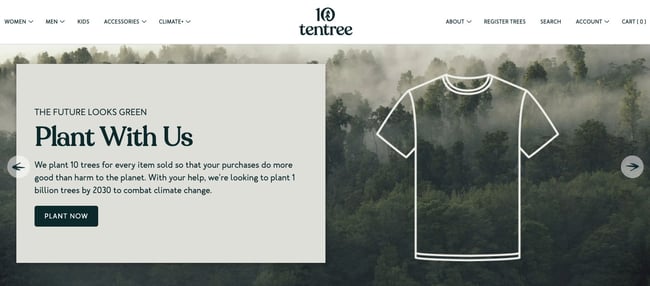
What we like: Your carousel navigation should be intuitive and simple for your visitor to use, and it doesn’t get more intuitive than left/right arrows. The arrows in the above example are cohesive with the design of the site, which is a nice touch.
On click, the arrows should advance to the next slide or move back. Just make sure your arrows are pointing in the direction they move in.
Dots
Dot-based navigation systems show a series of circles representing a slide in your carousel. Typically, the circles are hollow by default, but display as filled for the current slide.
What we like: Dot-based navigation is minimal and clean in design, and shows the user exactly where they are in your carousel.
3. Adapt to all devices.
According toStatista, worldwide mobile web traffic has consistently hovered around 50% since 2017. With a host of devices from phones to tablets to laptops nowadays, it’s important to adapt your website accordingly.
This means website carousels must have a responsive design, meaning that the design of your carousel needs to automatically adapt to smaller screen sizes. Remember, mobile users are also limited to tapping, pinching, and swiping, so make sure these gestures are functional on your web carousels as well.
The above examples show how the carousel on Chia Studios adapts from desktop to mobile screens.
What we like: In these examples, the carousel content is optimized for a mobile screen size. In the desktop version of the carousel, multiple slides are displayed horizontally. The mobile version hides the content on the sides and only displays the current slide, allowing it to occupy more space on the smaller screen.
4. Optimize for SEO.
Website carousel sliders aren’t exempt from SEO scrutiny. You’ll need to optimize the headers and image alt-text within your slider if you want Google to look favorably upon it.
Regarding headers in your carousel slider, the slides themselves may contain headers, and maybe H1 headers at that. Search engines view H1 headers as your page’s title, so if each slide contains one, it can lead to some SEO confusion. When crafting your website carousel slider, it’s best not to include H1 headers.
Each slide in your carousel presents an opportunity to land one of your keywords using image alt text. Alt text is a written description of an image that displays when images fail to load. It also helps screen-reading tools describe images to blind readers. Even if you can’t see the words on the page, search engines will index your image alt text.
The above example shows the image alt-text within a website carousel slider. Upon inspection, we can see that the image alt text reads “Logan D. Mom,” which describes the image a lot better than “IMG_3607.jpg”.
5. Curate your carousel sequence with intention.
When it comes to website carousel sliders, you should save the best for first. The first slide in your carousel is your make-or-break opportunity to engage viewers, so make sure to lead off with your strongest asset. If you nail the first slide, the likelihood of your viewers interacting with your carousel is greatly improved.
Every slide in your carousel is equally important. Even if the first one gets the most attention, each one should be intentionally crafted and achieve a specific goal. If a slide in your carousel doesn’t enhance the user experience and deliver vital information, it’s best to leave it out of your sequence.
Website Carousel Examples
Now that we’ve covered the best practices for using carousels on your site, let’s take a look at some examples for inspiration.
We love this product slider from Material Kitchen. The design of the slider is clean and attractive. Right off the bat, the viewer is drawn in by the minimalist design that places the focus on the products. Additionally, this slider checks all the boxes we discussed above. It doesn’t autoplay, it uses left and right arrows for navigation, and it’s mobile responsive and SEO optimized. This slider also includes a progress bar along the bottom that shows the user where they are in the carousel.
What we like: A sleek design with a focus on the products. Plus, the progress bar is a neat touch to indicate navigation.
This is a great example of a slider that features a dot-based navigation system. JVN Hair’s carousel is attractive and intuitive to use, and the dots at the bottom make navigation a breeze. We also love the value this slider brings to the visitor. Each slide entices the viewer with an image and offers a corresponding product and testimonial. This slider includes left and right arrows as well. We won’t let the additional navigation options go unappreciated!
Best for: Brands aiming for a chic, minimalist aesthetic. The dual navigation—dots and arrows—is a user-friendly bonus!
Plenty of websites display their brand testimonials, but Beeline shows off its positive feedback in style with an elegant carousel slider that features content in a card-based format. We like the clean left/right navigation and the way that the current slide is in full focus, while slides to the left and right are translucent and tucked behind.
Why it works: The testimonial cards with a translucent design for off-focus slides make it visually appealing and functional.
We love the immersive experience that Muros creates in this website carousel example by letting the content of the slider fill the entire page. Muros is in the business of art and murals, so it makes sense for them to take advantage of a full-page carousel to show off their work. When crafting your slider, consider your goals and the type of content you want to feature, and strive for a design that serves those needs.
Pro Tip: If your content is visual-heavy, like art or photography, consider a full-page carousel for an immersive experience.
5. Dropbox: A Traditional Website Carousel Example
There’s nothing wrong with sticking to the classics. We love this traditional-style carousel from Dropbox because it does exactly what it’s supposed to do. This slider presents featured case studies with a related image, excerpt, and a CTA to read more. It’s very clear to the viewer what they are looking at and how to proceed for more. This slider also features arrow-based navigation and doesn’t autoplay — we approve!
What we like: Simplicity at its best! Dropbox ensures clarity with each slide, promoting focused user interaction.
The Rolling Stones’ official website presents an engaging carousel that masterfully marries automation with user interaction. A streamlined progress bar effortlessly runs in the background, signaling the imminent arrival of the next slide. Yet, if fans wish to linger a little longer or quickly revisit previous images, manual navigation buttons are readily available.
What we like: The Rolling Stones’ carousel epitomizes user-centric design. By providing both automated progression and manual control, it ensures an immersive experience that adapts to the visitor’s pace.
Nike amps up the energy with a carousel that shines a spotlight on its freshest releases. The crisp, attention-grabbing images combined with smooth animations make each transition feel like an event. And with a concise product descriptor and an unmissable CTA button, users might just find themselves a click away from a new purchase.
What we like:Nike’s carousel brings their products to life by showcasing them in real-world scenarios. The images, combined with the interactive design, not only highlight the product’s features but also resonate with the emotions and aspirations of the audience.
National Geographic’s carousel showcases intriguing stories from around the world. It uses captivating images coupled with intriguing headlines, urging users to dive deeper into each video story. The carousel navigation shifts one image in front of the other when the arrow is clicked.
What we like:True to its reputation, National Geographic delivers imagery that is nothing short of breathtaking. Their carousel is a testament to the brand’s commitment to showcasing the beauty and intricacies of our world.
Tesla effectively leverages its carousel to showcase the distinct features of its vehicles. By clicking on the arrows, viewers can seamlessly navigate through a series of images, each highlighting a different aspect of the car, giving a comprehensive visual tour of its innovative design and capabilities. This user-centric approach not only underlines Tesla’s attention to detail but also offers potential buyers a captivating glimpse into what sets these vehicles apart.
What we like:Tesla’s carousel is as futuristic and smooth as the vehicles they produce. We appreciate the attention to detail, ensuring each slide not only highlights the aesthetics of the car but also its advanced functionalities. The ability to click through and explore more about each feature is incredibly user-friendly.
Apple, the tech giant known for its cutting-edge designs and breakthrough products, uses carousels on its website to highlight the features of its latest products. With a blend of captivating visuals, animations, and succinct text, the carousel offers an immersive experience that encapsulates the elegance and sophistication of Apple’s products.
What we like: Apple’s carousel reflects its brand ethos of simplicity blended with innovation. The high-resolution images with the smooth transitions between slides are indicative of Apple’s commitment to a seamless user experience.
Use Website Carousels to Engage & Convert Users
Website carousels can organize content on your website in a visually interesting way while also engaging your audience to help you drive conversions. Be sure to keep the above best practices in mind when incorporating carousels on your website to ensure yours are effective.
Editor’s note: This post was originally published in July 2020 and has been updated for comprehensiveness.
The bond between humans and animals has existed for millennia. As pets are increasingly viewed as family members, there is a greater willingness to invest in their well-being, comfort, and happiness. In many parts of the world, and especially in the US, pet ownership rates have been on the rise, partly driven by urbanization, changing lifestyles, and the increasing number of single-person households.
Pet owners are more conscious about the health and diet of their pets. This has led to a surge in premium pet food sales, nutritional supplements, and wellness services, including therapies and specialized veterinary care.
Even during economic downturns, spending on pets tends to remain stable or even increase, a phenomenon often referred to as the “lipstick effect,” where consumers continue to spend on small indulgences, including their pets, during tough times.
Do you love pets? Then, choose your business idea from our list of pet businesses.
The Growing Pet Industry
Here’s some food for thought. According to statistics, about 63.4 million households include a dog. The number of households that include a cat is slightly lower, at 42.7 million.
Many households include more than one pet, and for cat owners, that’s more likely. Statistics show that there are 76.8 million pet dogs in those 63.4 million households. And there are 58.4 million cats in those 42.7 million households.
There’s your market. Now, which pet owners are the best fit for your business ideas?
Targeting the Right Audience
The key to locating any business is being able to have interaction with your customers. If you’re operating an online business, that’s a secondary consideration.
But if you’re running a pet business that includes direct interaction with customers, location is important. One concern is zoning – before you make a business decision, especially if it involves property, be sure the zoning allows for the type of business you want to run.
Another is proximity to your customer base. Yes, you can run a pet boarding facility in a rural area, but should you also provide pickup and delivery services? If you want to groom pets, should you do that from a brick-and-mortar location or go mobile?
In addition to finding the right market, consider your startup costs. Some pet businesses can be started with very little investment. It might not be the ideal business to start, but with any contact with customers, you are building a client base for any future pet-related business venture.
33 Profitable Pet Business Ideas
If you’re interested in learning how to start a business in the pet industry, here are 33 ideas to get you started.
1. Dog Grooming Services
This service is always in demand, and there are many levels. There are groomers who do the basic bath and nail trim and groomers who specialize in perfectly-presented dogs that are headed to the Westminster Dog Show. Although there is no official certification process for dog grooming yet, it’s a good course of action to apprentice with a groomer for training. Startup cost to start your own business can be high, given the cost of equipment and supplies.
2. Dog Walking Services
With little investment, this can be a booming business and it’s a great idea in an urban setting. You’ll need insurance and you’ll need to be bonded (since you’ll be entering customer houses).
3. Pet Sitting Business
Pet walking businesses can easily morph into pet sitting. With this business, you’ll take care of people’s pets in their homes. This will include checking food and water and may include walks.
4. Mobile Pet Grooming Services
This requires significant startup investment. But it’s still one of the top mobile business ideas of 2023. You won’t have the overhead of the brick-and-mortar location, but you’ll have significant outlay for the vehicle and its equipment.
5. Dog Training Services
Although people love their pets, many get a pet without knowing how to train them. You can provide services from basic obedience training (walking on a leash, coming when called, basic commands such as sit, down and stay) to specialized training (narcotics detection, hunting, search and rescue).
6. Kennel Boarding Services
This is a pet business that can be difficult to start due to zoning restrictions. Yes, it may be noisy at times, and neighbors may protest such a pending business venture. Kennels are typically only permitted in commercial or agricultural areas.
7. Dog Daycare Services
Zoning can also be in question for Dog Daycare businesses. With these, the animals are not kept overnight as they are in a kennel. Instead, they are guests during work hours. The dog daycare business is one of the fast-growing segments of the pet care industry. People at work love to check in on their pets via live stream and video contact.
8. Pet Photography Services
For a photographer who loves pets, this is the perfect fit. And aside from the typical studio shot, people love to get action photos of their pets – think dock diving, frisbee catching, swimming, and retrieving. This business is expanding into videos via the use of drones to capture pet images from above.
9. Companion Animal Supply Store
A pet supply store will be in direct competition with big box stores, as well as online retailers. To survive and thrive in the pet store niche, successful business owners should provide products that aren’t readily available in the mass market. You can also do well by locally selling items that are big or expensive to ship, such as extra large dog crates or cat condo play towers.
10. Online Pet Store
Pet owners are more conscious about the health and diet of their pets. This has led to a surge in premium pet food sales, nutritional supplements, and wellness services, including therapies and specialized veterinary care. Online shops can even be among the top home based business ideas, as long as you have enough space for inventory.
11. Pet Food Delivery Service
There’s a ton of stiff competition in this niche, with companies such as Chewy able to deliver pet food to the door in a day or two. If you want to succeed with a pet food delivery service, provide a specialty product or products which is not readily available in the mass market.
12. Custom Pet Apparel and Accessories
Custom pet apparel and accessories are extremely popular. If you have a talent for sewing, you can definitely make money in this business without huge financial outlay.
13. Pet Waste Removal Services
This is such a growing business (with steady job security…..) that there are many pet franchises available. If you’re a pet sitter or walker, this is something you can provide as an “add-on” to your services.
14. Pet Food or Pet Treats
This is an industry with tons of competition. However, the door is open for specialty treats.
15. Pet Event Planning
It’s a given – people who love pets like to get together with other people who love pets. If you want to promote your special pet treat or product, organize a special event. You can also organize a pet event, such as a walk or race, for a favorite charity.
16. Pet Health and Wellness Services
The pet industry has a growing market for wellness services, including therapies and specialized veterinary care. Pets who have come from an animal shelter or rescue may have issues from their past that can be analyzed and addressed by a professional.
17. Pet Massage Services
Canine massage professionals. specialize in providing massage therapy to dogs. This can be especially beneficial for older dogs, dogs recovering from surgery or injury, or dogs that are particularly active, like agility competitors.
There are specific training programs and certifications for pet massage therapists. These programs teach anatomy, physiology, and specific techniques tailored for animals. In some areas, practitioners may need a license or have specific legal considerations.
18. Pet Boutique
The industry has seen an influx of innovative products, ranging from smart pet collars with GPS tracking to automated feeders. Such advancements cater to the modern pet owner’s needs and preferences. A Pet Boutique could specialize in unique products for the discerning pet owner.
19. Pet Adoption Services
There are several ways an entrepreneur can work in the pet adoption field:
Rescue Group Coordinators and Volunteers:
Many animal rescues operate without a physical shelter location, relying instead on a network of foster homes. Coordinators often manage animal intake, care and adoptions.
Pet Adoption Counselors:
These professionals specifically guide potential adopters through the adoption process. They work to match adopters with suitable pets, conduct interviews, check references, and sometimes do home visits.
Foster Care Coordinators:
They oversee the network of foster homes within an organization.
20. Animal Specialty Insurance Services
Specific insurance costs and coverage needs can vary based on several factors, including the size and scale of the business, geographic location, and specific services provided. It’s essential for each business owner to assess potential risks and work with an insurance agent familiar with pet-related businesses to get the most accurate and comprehensive coverage. Here are some basics to consider if you’re thinking about specializing in this facet of the pet industry:
1. Pet Walker:
Insurance Needs:
General Liability Insurance: Covers accidents or injuries to third parties (not the walker) and damage to third-party property. For example, if a dog bites a person during a walk.
Care, Custody, and Control (Animal Bailee) Coverage: Covers injuries to animals while in the walker’s care, like if a dog gets injured during a walk.
Lost Key Coverage: Covers costs associated with losing a client’s keys.
Potential Costs: Insurance costs for pet walkers can range widely based on location, number of clients, and the coverage limits chosen. On average, costs could range from $200 to $600 per year. The final price will vary depending on specific circumstances and choices in coverage.
2. Boarding Kennel Owner:
Insurance Needs:
General Liability Insurance: Covers injuries to third parties or damage to their property.
Care, Custody, and Control (Animal Bailee) Coverage: Crucial for kennel owners as it covers injuries or illnesses to animals while boarded.
Business Property Insurance: Covers damage to the business’ property, including kennels, outbuildings, equipment, etc.
Workers Compensation: If the kennel has employees, this will cover them for work-related injuries.
Potential Costs: Given the higher risks associated with keeping multiple animals for extended periods, insurance costs can be significantly higher for kennel owners. Rates can vary widely, from $800 to over $2,500 annually, depending on location, size of the facility, and number of animals cared for.
3. Dog Groomer:
Insurance Needs:
General Liability Insurance: Covers injuries to third parties or damage to their property.
Professional Liability Insurance: Also known as malpractice insurance, it covers claims arising from the grooming services provided.
Care, Custody, and Control (Animal Bailee) Coverage: Covers injuries or issues that might arise while a pet is being groomed.
Business Property Insurance: Covers grooming equipment and potential damages to the business facility.
Potential Costs: Dog groomers, depending on their clientele and the size of their operation, can expect to pay anywhere from $500 to $1,500 or more annually for insurance. The costs will vary based on factors like location, size of the facility, number of clients, and the specific services provided.
In Summary: The specific costs and coverage needs can vary based on several factors, including the size and scale of the business, geographic location, and specific services provided. It’s essential for each business owner to assess potential risks and work with an insurance agent familiar with pet-related businesses to get the most accurate and comprehensive coverage.
21. Pet Bakery
Pet owners love unique products. They love to purchase them for their pets, and they make great gifts for other pet owners.
22. Companion Animal Toy Design and Manufacturing
This is another market that’s wide open to unique products. Browse the toy selection at a large box store or large online supplier, and the choices are much the same. Pet owners are likely to try new products.
23. Specialty Pet Travel Services
An entrepreneur can branch out in this field:
Pet Relocation Companies:
These are specialized companies that assist pet owners in relocating their pets, either domestically or internationally. They manage the logistics, including paperwork, flight bookings, and even door-to-door pickup and delivery.
International relocations can be complex due to varying regulations, quarantine rules, and paperwork for each country. These companies are well-versed in these regulations and can provide a smooth transition for the pet.
Pet Travel Agencies:
Similar to travel agencies for humans, some agencies cater specifically to pet travel needs. They can help book pet-friendly accommodations, flights, and other travel necessities.
Pet Flight Nannies or Escorts:
These individuals personally accompany pets on flights, ensuring their safety and comfort throughout the journey. This service can be especially valuable for pets that can’t fly in the cargo hold, ensuring they get personal attention during their travels.
Ground Transportation Services:
Some companies or individuals specialize in transporting pets by ground, either because the pet owner prefers it or due to airline restrictions. These can range from local services to cross-country transports in specialized, climate-controlled vehicles.
Pet Travel Consultation:
For those who prefer to manage the travel logistics themselves but need guidance on regulations, routes, or preparations, consultants offer advice based on their expertise in pet travel.
24. Companion Animal Fitness Classes
Classes like these are rapidly growing in popularity, especially in urban areas where pets may not have as much space to roam and exercise. At the top of the list is Dog Yoga.
Dog Yoga (Doga):
A blend of meditation, gentle massage, and calming poses, Doga sessions are designed to strengthen the bond between the dog and the owner. While dogs don’t exactly practice the traditional yoga poses, they can be integrated into certain positions and enjoy stretches and massages.
Agility Training:
A popular canine sport, agility courses are set up with jumps, tunnels, weave poles, and other obstacles. Classes can be designed for beginners or advanced participants. It’s a great way for dogs to get physical exercise and mental stimulation.
Canine Cardio/Fitness Bootcamps:
These are structured outdoor workouts where both the dog and the owner participate in exercises. Activities might include running, jumping, fetch-based games, and interval training.
Swimming Classes:
Some facilities offer dog-friendly pools where pets can learn to swim, improve their swimming techniques, or just enjoy the water. It’s a full-body workout and especially beneficial for older dogs with joint issues.
Treadmill Training:
For pets in urban settings or during adverse weather conditions, treadmill training can be a way to ensure they get their daily dose of exercise. Special treadmills designed for dogs are available, and trainers can help dogs get accustomed to them.
25. Pet Clothing and Accessories Design
A person who enjoys crafts, especially sewing, can excel in this field. Many current offerings are mass-produced, and no one wants to show up at the party wearing the same dress! If an entrepreneur can provide novel pet clothing and accessories, the growth potential of these handmade business ideas can be wide open.
26. Art and Portraits
Many people view their pets as family members. An artist who can capture the essence of a beloved pet will quickly build a thriving clientele. This is a business that has little startup costs and can be operated from home.
27. Socialization and Play Groups
For the best success in setting up and running these groups, you must provide a safe area, such as a fenced outdoor area. Also, it’s important to understand dog behavior so that dogs of like manners of physical play are together and smaller or older dogs aren’t intimidated or overwhelmed.
28. Companion Animal Subscription Box Services
Some entrepreneurs have already started companies that are providing this service. You can do this and stand out by providing unique, personalized toys or clothing for specific pets. You can also provide boxes of items with a theme, such as celebrating a birthday or holiday, supporting a scholastic or professional sports team, or ethnic heritage (for example, specifically for Irish Setters or French bulldogs).
29. Animal Content Creation (Blogs, Vlogs, etc.)
Platforms like Instagram and TikTok have given rise to “pet influencers,” pets with large online followings. This has opened new marketing avenues for pet products and services.
30. Pet-Friendly Vacation Rentals
“No pets, no pets, no pets.” The majority of vacation rentals include this restriction. If you have a vacation rental, business will boom if you make it pet-friendly. Amenities sought by pet owners may include a fenced yard. If you live nearby, you can include a midday “pet sitting walk” while the pet’s owners visit local attractions.
31. Therapy Services for Pets
This is another expanding field in the pet services industry. Here are a few ideas:
Behavioral Therapy:
This therapy addresses issues such as aggression, anxiety, compulsive behavior, and other behavioral concerns in pets. It often involves a combination of training methods, environmental modifications, and sometimes, with veterinarian consultation, medication.
Certified animal behaviorists or veterinarians with a specialty in behavior often lead these interventions.
Physical Rehabilitation:
Similar to physical therapy in humans, rehab for pets helps animals recover from injuries, surgeries, or chronic conditions. It can include exercises, massages, hydrotherapy, and more.
It’s especially popular for dogs with orthopedic issues or those recovering from surgeries like cruciate ligament repairs.
Hydrotherapy:
This involves the use of water to aid in recovery, often after surgery or injury. It’s beneficial for improving muscle strength without putting stress on joints.
Facilities might offer underwater treadmills or swimming pools tailored for animal use.
Acupuncture and Acupressure:
Originating from traditional Chinese veterinary medicine, acupuncture involves inserting needles at specific points on the body to promote healing and pain relief. Acupressure uses pressure rather than needles.
It can be used for a variety of conditions, including pain management, neurological disorders, and certain skin conditions.
Chiropractic Care:
Veterinary chiropractic care focuses on the relationship between the spine and the nervous system. Adjustments can help alleviate pain, improve movement, and support overall health.
32. Breeding, Raising and Selling Pets
As the saying goes, “There is only one best dog in the world, and everybody has it.” Given the excessive and humbling number of homeless pets spending their days in animal shelters, supremely careful consideration should be given before launching into this business.
Before breeding animals, people should have an understanding of genetics, health issues in certain breeds, and experience in whelping and raising animals. Animals to be used for breeding should be assessed by a veterinarian to achieve (or not achieve) important health clearances.
For example, with dogs, a basic hip x-ray should be done so that the joints can be rated as fair, poor, good or excellent. Animals with a rating less than good or excellent should not be used for breeding. There are also genetic tests for vision, heart, skin and other potential issues.
33. Animal-Assisted Therapy Services
Animal-assisted therapy (AAT) is a therapeutic intervention that incorporates animals, such as dogs, cats, horses, and other animals, into the treatment plan. The objective is to improve a patient’s social, emotional, or cognitive functioning. AAT is used in a variety of settings, including hospitals, nursing homes, mental health facilities, and private practices, and can be utilized with a range of populations from children to the elderly.
Business Idea
Startup Cost
Unique Selling Proposition (USP)
Challenges
Dog Grooming Services
High
Wide range from basic to show grooming
Need for training, no official certification
Dog Walking Services
Low
Suitable for urban setting
Insurance, bonding
Pet Sitting Business
Low-Medium
Flexible, can morph from walking service
Trustworthiness, time commitment
Mobile Pet Grooming Services
High
On-the-go service
Vehicle & equipment cost
Dog Training Services
Medium
Broad range of training services
Requires expertise & patience
Kennel Boarding Services
High
Long-term care, suitable for vacations
Zoning restrictions, noise concerns
Dog Daycare Services
High
Daycare during work hours
Zoning, space requirement
Pet Photography Services
Medium-High
Capturing unique pet moments
Equipment cost, skill-based
Companion Animal Supply Store
Medium-High
Can offer unique, localized products
Competition with big box stores
Online Pet Store
Medium
Convenience, wide range, niche products
Space for inventory, competition
Pet Food Delivery Service
Medium
Convenience, specialized diets
Competition, shipping logistics
Custom Pet Apparel & Accessories
Low-Medium
Unique, customizable products
Creative skills required
Pet Waste Removal Services
Low
Steady demand, add-on service
Competition, not the most glamorous job
Pet Food or Pet Treats
Medium
Niche/specialized products
Intense competition, regulation
Pet Event Planning
Medium
Community building, niche events
Organizational skills, permits
Pet Health and Wellness Services
High
Growing market, specialized care
Expertise, equipment
Pet Massage Services
Medium
Niche service, wellness focus
Training, potential licensing
Pet Boutique
Medium-High
Unique, innovative products
Space, inventory
Pet Adoption Services
Low-Medium
Helping pets find homes
Emotional aspect, networking
Animal Specialty Insurance Services
Medium-High
Niche market, growing demand
Industry knowledge, licenses
Pet Bakery
Medium
Unique treats, gifting
Compliance, shelf life of products
Companion Animal Toy Design & Manufacturing
Medium
Unique toys, innovation
Design skills, competition
Specialty Pet Travel Services
High
Specialized logistics, niche service
Regulations, safety concerns
Companion Animal Fitness Classes
Medium
Fitness & bonding
Space, expertise
Pet Clothing & Accessories Design
Low-Medium
Unique designs, custom fit
Design skills
Art and Portraits
Low
Personalized keepsakes
Artistic skills
Socialization & Play Groups
Low-Medium
Socializing, exercise
Safe space, behavioral understanding
Companion Animal Subscription Box Services
Medium
Monthly surprises, thematic boxes
Inventory, shipping
Animal Content Creation
Low
Online influence, marketing
Consistency, creativity
Pet-Friendly Vacation Rentals
Medium-High
Niche market, high demand
Maintenance, damage concerns
Therapy Services for Pets
High
Emotional and physical well-being
Expertise, space
Breeding, Raising & Selling Pets
High
High profit potential
Ethical concerns, space, care
Tips for Starting a Successful Pet Business
Even if you love your idea and believe it will succeed, don’t move forward without doing market research. Once you know your potential market, you can proceed with your business plan, including strategies for growth and marketing.
Understanding Your Market
Are you in an urban or rural area? What are the existing pet businesses? Are there boarding kennels, a number of groomers, specialty pet stores? How many veterinarians are located in the area?
Those businesses don’t set up shop unless they have a customer base. Whatever the existing pet-based businesses are, strategize for the right business to fill the missing products or services.
Creating a Solid Business Plan
A business plan should include a mission statement, a description of the business (what it will provide), as well as information about people involved in the business.
Take a look at startup costs and operating costs, and estimate potential income. Using those numbers, make a plan for growth.
Marketing Your Pet Business
Online marketing and the use of social media are key parts of marketing a pet business. For example, an entrepreneur running a training class can set up a FB group that members join. They can see who’s planning to attend a class, and also view pictures and videos taken during the class.
Also, market your business via local partnerships with other pet-related businesses. Make it a point to meet and greet all the folks in your community who are working with pets. Networking in this personal way will help you build your circle of business contacts.
Don’t limit your local partnerships to pet-related businesses. Definitely join your local Chamber of Commerce and similar organizations. Offer to give a demonstration or talk about your business.
FAQs: Pet Business Ideas?
What is the Initial Investment Required for Starting a Pet
There’s a wide variety of costs for initial investment for starting a pet business, depending on the specific business. Even dog walkers need insurances, which can range from $200 to $600 annually. Many pet based businesses require that the entrepreneur first obtain training.
How Can I Attract Pet Owners to My Pet Business?
Network with people in your community and by using social media. You can also use local media by having a grand opening or other special events.
What Licenses or Permits Do I Need to Start a Pet Business?
That varies by business. Also consider zoning requirements, especially if you’re starting a boarding or daycare business.
Can I Start a Pet Business Part-time?
Absolutely. In fact, many people get started this way, especially dog walkers and groomers, and those making products or specialty foods at home.
How Do I Choose the Right Pet Business Idea for Me?
There are so many aspects of the pet business. Do you like the retail environment? Do you like to be your own boss? What needs do you see in your community? Are you interested in business ideas for introverts or extroverts?
If you’re going to provide pet services, you’ll need to be available to customers at specific times. If you’re going to bake or create (clothing and toys), you can set your own hours.
How Can I Cater My Pet Business Specifically to Dog Owners?
There are more dog owners than cat owners, so that’s one factor to consider. More importantly, which do you prefer – are you a cat person or a dog person? It’s important to love what you do.
Following various complaints by a cross-section of new and returning students of their inability to take advantage of the Instalment Option for the payment of their fees, kindly find below the procedure for payment in instalments:
Generate payment advice from the student portal. Please note that the payment advice for the first payment will also be used for subsequent payments.
Proceed to pay 50% obligatory fees with 100% utility fees. This means that:
A. For new undergraduates who opt for payment in instalments, the minimum payment is Utility (100%) + toxicology (100%) + obligatory (50%). Thus, the breakdown for all new undergraduates is as follows:
Types of Charges
Courses without labs/studio
Courses with labs/studio
Utility
N20,000
N20,000
Toxicology
N10,000
N10,000
Obligatory fees
N63,162.50
N88,150
Total
N93,162.50
N118,150.00
B. The minimum payment is Utility 100% + 50% obligatory for returning undergraduates who opt for payment in instalments. Thus, the breakdown is as follows:
Types of Charges
Courses without labs/studio
Courses with labs/studio
Medical Students, Students in Pharmacy and Health Professions
Utility
N20,000
N20,000
N20,000
Obligatory fees
N50,375
N70,125
N95,125
Total
N70,375.00
N90,125.00
N115,125.00
3. Kindly note that 20% of the balance must be paid before printing examination dockets for 1st Semester, 2023/2024 examinations. This means that:
A. New students will pay:
Courses without labs/studio
Courses with labs/studio
20% of balance
N25,265
N35,260
B. Returning students will pay:
Courses without labs/ studio
Courses with labs/studio
Medical Students, Students in Pharmacy and Health Professions




![5 Website Carousel Best Practices to Enhance Your Sliders [Examples]](https://webtriiv.link/wp-content/uploads/https://blog.hubspot.com/hubfs/carousel-Aug-11-2023-04-59-10-7841-PM.png#keepProtocol)






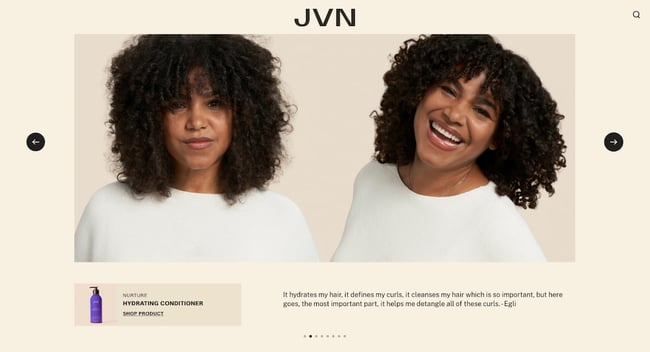 This is a great example of a slider that features a dot-based navigation system. JVN Hair’s carousel is attractive and intuitive to use, and the dots at the bottom make navigation a breeze. We also love the value this slider brings to the visitor. Each slide entices the viewer with an image and offers a corresponding product and testimonial. This slider includes left and right arrows as well. We won’t let the additional navigation options go unappreciated!
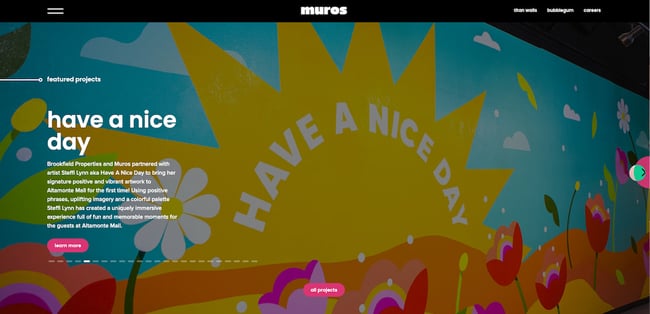 We love the immersive experience that Muros creates in this website carousel example by letting the content of the slider fill the entire page. Muros is in the business of art and murals, so it makes sense for them to take advantage of a full-page carousel to show off their work. When crafting your slider, consider your goals and the type of content you want to feature, and strive for a design that serves those needs.






![UNILAG Procedure For Instalment Payment of School Fees [year]](https://webtriiv.link/wp-content/uploads/2022/08/Woman-sitting-on-the-bed-holding-her-phone.jpg)