What is a SERP?

What is a SERP?

[ad_1]

The word “SERP” stands for “search engine results page.”  It’s pronounced “serp,” just like in the first syllable of the word serpent.

So, just what is a SERP?

Imagine someone doing a search in Google for a word or phrase.  Google will return results for that particular search on a Google search results page.

You’ve seen SERPs many times. Above is an example of a SERP in the Bing.com search engine.

The acronym SERP, or sometimes the plural form SERPs, tends to be used in discussions about search engines or search engine optimization.  It might be used in a sentence such as:  “You appeared number 3 in the SERPs.”  Translation:  When we did a search in Google for the type of product your company sells, your website appeared as the third result down on the search page in Google.

The person making that statement usually means the website appeared number 3 after all the paid ads (outlined in yellow in the image above).

But not always — it’s also possible to buy a number 1 position in the SERPs, simply by buying pay-per-click ads from a search engine like Google or Bing.  That’s because there are two types of results returned on most search engine pages in Google, Bing or other engines:

  • Organic results — These are results that come from natural placement in the search engine hierarchy.  If you have good content on a useful page with links pointing to it, that page may show up high in the search results for people searching on a relevant term or phrase.
  • Paid search results — As the phrase implies these are purchased ads. You buy text ads that show up at the top or top right column of the page. They are commonly called “pay per click ads” because most of the time the advertiser pays only when someone clicks on the ad.  In Google these are called AdWords. In Microsoft’s Bing they are called Bing Ads.

Either type of result can result in your website appearing high in the search engines for a specific word or phrase. But of course, paid ads can be expensive unless you really know your way around the bidding system for buying paid search ads.

Aspect Description
SERP (Search Engine Results Page) A SERP is the page displayed by a search engine in response to a user’s query, containing a list of web pages relevant to the search query.
Common Usage of SERP The term SERP is often used in discussions about search engines or search engine optimization (SEO).
Example of SERP Example of a SERP
Plural Form of SERP SERP can also be used in its plural form, SERPs.
Usage in a Sentence You appeared number 3 in the SERPs.” Translation: Your website ranked third on Google’s search results page.
Organic Results Organic results are non-paid listings based on relevance to the search query. They appear naturally in SERPs.
Paid Search Results Paid search results are advertisements purchased by advertisers. They appear at the top or right of SERPs.
Pay-Per-Click (PPC) Ads Paid search results are commonly known as pay-per-click (PPC) ads because advertisers pay when users click on them.
Achieving High SERP Rankings Websites can achieve high rankings in SERPs through organic results (good content and links) or paid ads (PPC campaigns).
Impact of SERP Rankings Higher SERP rankings lead to increased visibility and more clicks, as users often click on the top results.
Paid Ads vs. Organic Results While paid ads can provide instant visibility, organic results require time and effort but can be cost-effective.
Bidding System for Paid Search Ads Effective management of PPC campaigns requires an understanding of the bidding system on platforms like Google AdWords and Bing Ads.
Organic Results and SEO Achieving high rankings in organic results often involves SEO (Search Engine Optimization) strategies.

What is a SERP?

So why are SERPs important?

Studies show the higher up you appear in the search results, the more likely someone searching will click over to YOUR site.  Most SERPs consist of multiple pages.  A search for a popular term will return dozens,  hundreds or thousands of search result pages. In the example pictured above, over 700 million results were returned.

Imagine being a searcher faced with all of those SERP pages. Who has the patience and time to click through them all?  No one.

Therefore, the Web pages that appear highest in the search engine results pages are more likely to get clicked and get the traffic.  That usually means that if you want to get meaningful traffic, your business needs to appear on the first page of the SERPs or possibly the second or third page.

What is a SERP?

Who uses the acronym SERP?

SERP is a technical acronym.  Most of the time the people using a term like SERP are search engine optimization professionals or marketing professionals.  If you hire a professional to help you with your search engine placement — or even just read up on the topic yourself — sooner or later you will encounter this term.

Either way, as a small business owner or manager who realizes the importance of your business being found online you will want to know what a SERP is.  The more you know, the better informed the business decisions you make.  And you’ll be better able to hold your own with the people or firms you hire.

What is a SERP?

Navigating SERPs: Your Roadmap to Search Engine Success

Understanding how search engine results pages (SERPs) work is essential for anyone looking to make their online presence more discoverable. Here’s a comprehensive guide to help you navigate the world of SERPs effectively:

  • SERP Basics: Start by grasping the fundamentals of SERPs. A SERP is the page that search engines like Google or Bing display after a user enters a query. It contains a list of results relevant to the search query.
  • Organic vs. Paid Results: Learn about the two primary types of results on SERPs:
    • Organic Results: These are non-paid results that appear based on their relevance to the search query. Achieving a high rank in organic results requires effective search engine optimization (SEO).
    • Paid Results: Paid search ads, like Google AdWords or Bing Ads, appear at the top or side of the SERP. Advertisers pay when users click on these ads.
  • Importance of SERP Ranking: Understand the significance of ranking on SERPs:
    • Higher-ranking pages receive more clicks: Studies show that users are more likely to click on results appearing near the top of SERPs.
    • Visibility is key: With potentially hundreds of SERP pages for a single query, appearing on the first page is crucial for visibility.
  • Role of SEO: Recognize the role of SEO in SERP rankings:
    • SEO involves optimizing your website to improve its chances of ranking higher in organic SERP results.
    • On-page SEO, off-page SEO, and technical SEO are essential components of SEO strategies.
  • Keyword Research: Conduct thorough keyword research to identify the terms and phrases potential customers use to search for products or services similar to yours. Targeting the right keywords can improve your SERP ranking.
  • Content Optimization: Create high-quality, informative, and engaging content on your website. Optimized content can help you rank higher in organic SERP results.
  • Monitoring and Analytics: Implement tools like Google Analytics to monitor your website’s performance on SERPs. Analyze data to identify areas for improvement in your SEO strategy.
  • SERP Positioning: Strive to rank within the top positions on SERPs to maximize visibility and click-through rates. Ranking in the top three results is particularly valuable.
  • User Experience: Focus on providing an excellent user experience on your website. User-friendly navigation, fast loading times, and mobile responsiveness can impact your SERP ranking.
  • Mobile-First Indexing: Be aware of Google’s mobile-first indexing, which prioritizes mobile-friendly websites in SERP rankings. Ensure your website is responsive and optimized for mobile users.
  • Local SEO: If you have a local business, optimize your website for local searches to appear in local SERP results, such as Google Maps listings.
  • Competitor Analysis: Study your competitors’ SERP strategies to identify opportunities for improvement. Analyze their keywords, content, and ranking positions.
  • Continuous Improvement: SEO and SERP rankings are not static. Stay updated with algorithm changes and trends in SEO to adapt and improve your strategies continually.
  • Professional Guidance: Consider seeking assistance from SEO professionals or agencies if you find the world of SERPs and SEO too complex to handle on your own.
Aspect Description
SERP Basics A SERP (Search Engine Results Page) is the page displayed by search engines like Google or Bing in response to a user’s query. It lists relevant search results.
Organic vs. Paid Results SERPs contain two primary result types: Organic Results (non-paid) and Paid Results (advertisements). SEO influences organic results, while paid ads require advertiser payments.
Importance of SERP Ranking Higher-ranked pages on SERPs receive more clicks. Being on the first page is crucial for visibility, as users rarely venture beyond it.
Role of SEO SEO (Search Engine Optimization) involves optimizing websites to rank higher in organic SERP results. It includes on-page, off-page, and technical SEO strategies.
Keyword Research Conduct keyword research to discover search terms potential customers use. Targeting relevant keywords enhances SERP ranking.
Content Optimization High-quality, engaging, and optimized content can improve organic SERP rankings. Content is a critical factor in SEO success.
Monitoring and Analytics Implement tools like Google Analytics to monitor SERP performance. Data analysis guides SEO strategy improvements.
SERP Positioning Higher positions on SERPs, particularly in the top three results, lead to increased visibility and click-through rates.
User Experience An excellent user experience, including mobile responsiveness and fast loading times, can positively impact SERP rankings.
Mobile-First Indexing Google’s mobile-first indexing prioritizes mobile-friendly websites in SERP rankings. Ensure mobile optimization for better rankings.
Local SEO For local businesses, optimizing websites for local searches is essential to appear in local SERP results, including Google Maps listings.
Competitor Analysis Analyzing competitors’ SERP strategies helps identify opportunities for improvement. Examine their keywords, content, and ranking positions.
Continuous Improvement SEO and SERP rankings are dynamic; stay updated with SEO trends and algorithm changes to continually enhance your strategies.
Professional Guidance Seek assistance from SEO professionals or agencies if navigating SERPs and SEO becomes too complex to handle independently.

What is a SERP?

Frequently Asked Questions

What is a SERP, and how does it work?

A SERP, or Search Engine Results Page, is the page displayed by a search engine, like Google, in response to a user’s query. It contains a list of web pages relevant to the search query, ranked based on relevance and other factors.

What’s the difference between organic and paid results on SERPs?

Organic results are non-paid listings that appear based on their relevance to the search query. Paid results are advertisements that appear at the top or side of the SERP, and advertisers pay when users click on them.

Why is it important to rank high on SERPs?

Higher-ranking pages receive more clicks and visibility. Being on the first page of SERPs is crucial because users rarely venture beyond the initial results.

What is SEO, and how does it impact SERP rankings?

SEO, or Search Engine Optimization, is the practice of optimizing your website to improve its ranking in organic SERP results. It involves various strategies and techniques to make your site more search-engine-friendly.

How can I optimize my website for better SERP rankings?

Start with keyword research to target relevant search terms. Create high-quality content, optimize on-page elements, and build high-quality backlinks. Implement technical SEO improvements for a well-rounded strategy.

What tools can I use to monitor my website’s performance on SERPs?

Google Analytics is a popular tool for tracking website traffic and SERP performance. Other tools like Google Search Console and third-party SEO software can provide valuable insights.

Is mobile optimization essential for SERP rankings?

Yes, mobile optimization is crucial. Google’s mobile-first indexing prioritizes mobile-friendly websites in SERP rankings. Ensure your site is responsive and provides a great experience on mobile devices.

How can I improve my local SERP rankings for a small business?

Focus on local SEO by optimizing your Google My Business listing, obtaining online reviews, and creating location-specific content. Consistency in NAP (Name, Address, Phone number) information is also vital.

Can I track my competitors’ SERP strategies?

Yes, competitive analysis is valuable. You can study your competitors’ keywords, content, and ranking positions to identify opportunities for improvement in your own strategy.

Are SEO and SERP rankings static, or do they change over time?

SEO and SERP rankings are not static. Search engines frequently update algorithms, and user behavior evolves. Continuous improvement and adaptation are essential for maintaining high rankings.

Should I seek professional help for SEO and SERP optimization?

If you find SEO and SERP optimization complex or time-consuming, consider consulting with SEO professionals or agencies with expertise in these areas. They can provide valuable guidance.

For more on this topic and related topics, see:

SEOBook:  Search Engine Marketing Glossary

SearchEngineLand:  What is SEO?

Google: Search Engine Optimization Starter Guide (PDF)

3 Ways to Perform SEO on a Shoestring Budget

Small Business SEO Trends to Keep an Eye On


[ad_2]

Source link

Wholesale Clothing Vendors: The 14 Best Options In 2023

Wholesale Clothing Vendors: The 14 Best Options In 2023

[ad_1]

Seeking the ideal wholesale clothing supplier? It’s a crucial step for anyone keen on offering quality apparel without compromising on margins.

Opting for retail purchases followed by resale often leaves customers balking at the price tag. Your solution lies in the world of wholesale. The wholesale clothing vendor ensures that quality doesn’t come at the cost of profitability.

In this guide, we’ve pieced together a list of the best wholesale clothing vendors. They’re your ticket to affordable prices and quality that resonates. Ready your store’s name and prepare for some prime bulk deals ahead.

1648459115 white sneaker.png?dpr=0
1648460220 black sneaker.png?dpr=0
1623461337 oberlosketch13

14 top wholesale apparel vendors for ecommerce brands (US, China, Europe)

1. Bloom Wholesale

Based in: US

best wholesale clothing vendors: Bloom Wholesale

→ Click Here to Launch Your Online Business with Shopify

Bloom Wholesale is a reputable clothing vendor that frequently updates its catalog with quality apparel. Each week, they add 35 new items, some priced as low as $5. Its approach? Combing the LA area for the best wholesale deals. This diligence allows clothing stores and brands to tap into first-rate fashion at affordable prices.

Product range: Bloom Wholesale boasts a diverse women’s clothing collection, featuring dresses, skirts, tops, and more, in both standard and plus sizes.

Shipping: Deliveries within the contiguous US typically span 3-5 business days.

2. Sugarlips

Based in: US

sugarlips wholesale

Sugarlips stands as a premier wholesale supplier of seamless women’s attire in North America. It presents a diverse collection of fashion-forward items, endorsed by major boutiques like Urban Outfitters and NastyGal. By introducing new designs monthly, Sugarlips consistently stays a step ahead in the fashion game. Retailers keen on featuring a recognized brand will find value here, especially since every piece showcases the recognizable Sugarlips label.

Product range: Sugarlips offers an extensive collection of women’s apparel, from seamless basics to contemporary dresses, tops, and bottoms.

Shipping: Sugarlips ships within one to two business days, with local US deliveries taking one to 10 days depending on the service. International shipping times vary based on destination and other factors.

3. LA Showroom

Based in: US

top wholesale apparel: LA Showroom

LA Showroom is a top wholesale apparel company that bridges the gap between designers, manufacturers, and wholesale buyers. It offers a range of clothing styles, with selections as affordable as $10. After signing up on its platform, you can sift through various brands to streamline your wholesale shopping. With collection pre-screening a standard practice of the company, buyers are assured of quality and consistency in their choices.

Product range: LA Showroom offers a diverse product range, from trendy streetwear to elegant formal attire, for men, women, and children.

Shipping: Domestic US orders usually arrive within two to four business days. Additionally, LA Showroom ships to Canada andMexico, with deliveries taking three to seven business days.

4. Faire

Based in: US

buy now pay later wholesale clothing: Faire

Faire is one of the few wholesale clothing distributors offering BNPL (buy now, pay later) terms to its customers. Its platform is used by more than 100,000 independent brands, indicating a lot of variety and styles for retailers to choose from. Faire also hosts online trade shows featuring best brand deals and matches all discounts by up to 5%.

Product range: Faire lists a range of men’s, women’s, and kid’s clothing on its website.

Shipping: Delivery times vary by supplier, with the majority of US orders typically arriving within three to seven business days.

5. Adora USA

Based in: US

USA clothing distributor: Adora USA

Adora USA is a wholesaler and manufacturer of young contemporary women’s apparel. It focuses on creating stylish and sophisticated womenswear for diverse occasions, prioritizing customer success through exceptional products and services. This approach positions it as a trusted name among wholesale clothing suppliers in the industry.

Product range: Adora USA stocks over 60 styles of young contemporary clothing, including fashion apparel, dresses, sportswear, and outerwear, along with trendy plus-size options.

Shipping: Standard shipping takes three to 10 business days, while expedited delivery arrives in two to three days.

6. Wholesale Fashion Square

Based in: US

Wholesale Fashion Square

Wholesale Fashion Square (WFS) streamlines boutique shopping with a vast online selection of women’s clothing and accessories. Instead of bulk orders, WFS offers smaller bundles of six items, ensuring boutiques get just the right amount. As a top-tier US wholesale clothing vendor, it prioritizes quality checks before shipping. Buying from WFS means growing your inventory affordably while enhancing customer satisfaction with stylish, quality-assured selections.

Product range: WFS offers women’s apparel, chic accessories, plus-size options, kids’ wear, and stand out graphic tees.

Shipping: WFS delivery times within the US typically span one to two days.

7. Yabelo

Based in: Sweden

yabelo sweden

Yabelo is an online clothing distributor and B2B wholesaler of authentic fashion merchandise. Its catalog consists of new fashion apparel sourced directly from original retailers and manufacturers in Europe. Collaborating closely with its clients, Yabelo ensures tailored solutions to meet their diverse needs. Moreover, it provides wholesale clearance stock for sale at up to 95% off the retail price, reinforcing its commitment to value and affordability.

Product range: Yabelo offers a diverse selection of men’s, women’s, and kid’s clothing, as well as mixed lots to meet varying consumer needs.

Shipping: Shipping times vary for different European and global destinations.

8. BrandsGateway

Based in: Estonia

1696301905 screenshot 2023 10 03 at 7 58 01 am

BrandsGateway is considered the best wholesale clothing vendor and dropshipping supplier for luxury designer apparel. Based in Europe, it offers a vast selection of high-end brands (think Gucci, Michael Kors, etc.) that you can source for less. With reductions of up to 90% on certain items, BrandsGateway leaves you ample room for a higher profit margin.

Product range: BrandsGateway boasts a luxury collection of men’s and women’s attire, from sleek jackets and suits to premium swimwear, all sourced from top-tier designer brands.

Shipping: BrandsGateway vendors typically deliver within Europe in three to five business days. For customers in North America and Asia, the average turnaround is five to 10 business days.

9. F&P Stock Solution

Based in: Germany

1696301457 screenshot 2023 10 03 at 7 46 16 am

F&P Stock Solution is a leading wholesale clothing supplier with a focus on sustainability. By giving fashion overstocks a renewed purpose, they play an instrumental role in the circular economy. Every piece, whether a customer return or a piece from a liquidation, meets strict quality standards. For those managing an online clothing store and seeking an eco-friendly inventory source, F&P can be the ideal partner.

Product range: F&P Stock Solution offers women’s wholesale clothing, fitness wear, kids’ clothing, and diverse stock clothes.

Shipping: F&P Stock Solution delivers on average within two to four days in Europe. International delivery times depend on the exact destination.

10. UTT Europe

Based in: Hungary

European clothing wholeasler: UTT Europe

UTT Europe is a wholesale supplier committed to fulfilling your clothing needs. With more than a decade in the industry, it has cemented its position among Europe’s top suppliers. Its focus? Distributing renowned fashion brands with a sustainable approach. Partnering with fashion companies, embroiderers, and major attire manufacturers, UTT Europe ensures quality at every step.

Product range: UTT Europe offers T-shirts, corporate wear, sportswear, jackets, and accessories for men, women, children, and unisex styles.

Shipping: Average delivery times vary based on the shipment’s destination and local processes.

11. Alibaba

Based in: China

1696301537 screenshot 2023 10 03 at 7 47 30 am

Alibaba stands as a go-to hub for Chinese wholesale clothing manufacturers. Catering mainly to bulk buyers, it’s a valuable source for diverse apparel needs. Many suppliers on Alibaba guarantee quality, with a range tailored to various markets. Partnering with these manufacturers can elevate your online clothing store’s inventory and global appeal.

Product range: Alibaba offers an expansive range of apparel, including everyday wear, luxury apparel, accessories, children’s clothing, and specialized garments for diverse global markets.

Shipping: Alibaba’s shipping times vary: Air express is three to 10 days, air freight takes 20 to 45 days, and sea shipping ranges from 30 to 60 days.

12. Wholesale7

Based in: China

affordable China clothing distributor: wholesale7

Wholesale7 is a prime choice for retailers prioritizing style and affordability. This Chinese clothing importer emphasizes transparency and convenience. Purchasing in larger quantities yields bigger discounts. Furthermore, it offers enticing policies such as hassle-free returns, frequent discount promotions, and substantial savings on clearance items.

Product range: Wholesale7 offers an array of menswear and womenswear, featuring essentials like dresses, tops, bottoms, and coats.

Shipping: Wholesale7 typically processes orders within five to eight days. The actual delivery time varies based on the selected shipping option.

13. Zaful

Based in: China

leading Chinese wholesaler: Zaful

Zaful is a leading Chinese wholesaler, boasting more than 400 unique pattern copyrights. It doesn’t just follow trends, it sets them, empowering customers to be style leaders. Every design aims to inspire daily life, underscoring its deep appreciation for fashion’s role in sparking creativity. Plus, with an expansive online platform, Zaful offers a seamless shopping experience to online merchants worldwide.

Product range: Zaful’s extensive clothing selection encompasses women’s and men’s clothing lines, as well as curve and plus-size clothing.

Shipping: Zaful’s shipping ranges from one to three weeks, with Standard taking two to three weeks and Express delivering in one to two weeks, depending on the destination.

14. Kisswhom

Based in: China

Kiss Whom Chinese vendor clothes

Kisswhom offers specialized women’s clothing for overseas stores and online retailers. Its team scrutinizes each product for quality before dispatch, ensuring only the best items reach its customers. Additionally, Kisswhom uses real-shot photos for most of its products, empowering merchants to make confident purchase decisions.

Product range: Kisswhom offers sexy club-wear styles, alluring lingerie, contemporary swimsuits, and other trendy women’s apparel for every occasion.

Shipping: Kisswhom ships globally, with UPS deliveries averaging three to fourt working days and EMS deliveries taking five to seven days.

Choosing the right wholesale clothing vendors

Choosing the right wholesale clothing vendor is crucial to your business’s success. Here’s a breakdown of key considerations to ensure you make informed decisions.

#1 Quotation requests

Begin with a request for quotation (RFQ). This isn’t merely about asking for a price; it’s a reflection of your business’s professionalism. Approach it with care. When drafting your email, be precise about what you need. A clear, well-structured RFQ helps avoid unnecessary back-and-forth, saving you valuable time.

#2 Minimum order quantity (MOQ)

Understanding a vendor’s MOQ is pivotal. Each vendor has a different MOQ, so ascertain whether you can manage and afford the MOQ of the vendor you’re looking to work with. Also, inquire about tiered pricing. Many vendors offer discounts on larger orders, so knowing their pricing structure can assist in budgeting and forecasting.

#3 Delivery and turnaround

Timely deliveries can make or break an ecommerce operation. Ask about average shipping durations. How quickly can a vendor dispatch an item? Are there potential delays you should be aware of? Equally vital is understanding payment terms. Each supplier might have distinct expectations regarding payments; it’s essential to clarify this upfront.

#4 Sampling process

Lastly, delve into sample offerings. While some vendors might offer discounted or even free samples, others might charge the full price. Acquiring samples gives you firsthand insight into the product’s quality and what your customers can expect.

By methodically approaching each vendor with these considerations, you’ll be better equipped to identify a partner that aligns with your business’s needs and goals. Remember, the right choice isn’t just about costs—it’s about value, reliability, and partnership.

Lock your clothing vendors today

Launching or scaling an online clothing brand necessitates a reliable wholesale partnership. It’s not just about browsing platforms. It’s about thorough analysis, comparisons, and ensuring alignment with your brand vision.

The process might be time-consuming, but the outcome—a vendor that matches your needs, budget, and quality expectations—will pave the way for satisfied customers. Dive deep, ask the right questions, and act now. Your brand’s growth is a partnership away.

1648459115 white sneaker.png?dpr=0
1648460220 black sneaker.png?dpr=0
1623461337 oberlosketch13

Want to learn more?

[ad_2]

Source link

How to Start a Recycling Business: Your Guide to a Greener Profit

How to Start a Recycling Business: Your Guide to a Greener Profit

[ad_1]

Thinking about starting a recycling business? The stats back you up. By 2028, the global waste recycling industry will be valued at almost $90 billion. This article will guide you through the steps you need to start a recycling business. From the financial plans and legal requirements to the equipment recycling businesses need.

Why Start a Recycling Business?

how to start a recycling business

Starting a recycling business is a significant venture that has big benefits.

  • This type of business reduces the demand for raw materials and conserves natural resources. The EPA reports that in 2018, 186 million metric tons of greenhouse gas emissions were saved.
  • Grand View Research pegs recycling is a growing industry, projecting it will reach $81.3 billion by 2028.

A business like this creates employment all the way up from collection sorting to management and processing.

What Do Recycling Companies Do?

how to start a recycling business

Recycling companies work with a wide range of different materials.

Scrap Metal Recycling

Sources can include construction and demolition debris, electronic devices, and automotive parts. The materials can include different types of ferrous metals like iron and steel and non-ferrous metals like aluminum.

Plastic Waste Recycling

A new company needs the right equipment, including conveyor belts and shredders. The sources here include a variety of plastic polymers.

Paper Recycling

A paper recycling department in your new business will collect waste from municipalities, businesses, schools, and offices. This system needs to categorize different materials and separate cardboard, office paper, and newspaper.

Electronic Waste Recycling

Recycling this type of material conserves materials like copper, silver and gold. E-waste recycling reduces water and soil pollution. This type of recycling requires dismantling and sorting procedures.

Criteria Scrap Metal Recycling Plastic Waste Recycling Paper Recycling Electronic Waste Recycling
Sources of Waste – Construction and demolition debris
– Electronic devices
– Automotive parts
– Variety of plastic polymers – Municipalities
– Businesses
– Schools
– Offices
– Computers
– Cell phones
– TVs
– Other electronics
Key Materials Involved – Ferrous metals (e.g., iron, steel)
– Non-ferrous metals (e.g., aluminum)
– Different types of plastics (e.g., PET, HDPE, PVC) – Cardboard
– Office paper
– Newspaper
– Copper
– Silver
– Gold
– Other precious metals
Equipment Needed – Metal shredders
– Sorting systems
– Conveyor belts
– Shredders
– Sorting systems
– Sorting systems
– Balers
– Pulping machines
– Dismantling tools
– Sorting systems
– Shredders
Environmental Benefits – Reduces the need for raw materials
– Decreases energy consumption
– Reduces plastic waste in landfills
– Conserves resources
– Conserves trees and forests
– Reduces landfill waste
– Reduces water and soil pollution
– Conserves precious metals
Processing Procedures – Sorting
– Shredding
– Melting
– Sorting
– Shredding
– Melting and pelletizing
– Collection
– Sorting
– Pulping
– De-inking
– Drying
– Collection
– Dismantling
– Sorting
– Recovery of materials

There are also specialized recycling programs, like those for recycling ink cartridges or those that facilitate business recycling program initiatives.

The Fundamentals of Starting a Recycling Business

how to start a recycling business

Before you can start recycling, you need to learn how to start a business. Here’s what you need to get started.

Research and Market Analysis of the Recycling Industry

Some points to consider include:

  • Researching collection methods. Take a look at the logistics and costs for different business models like drop-off centers and curbside pickup.
  • Look into the recyclable items in your area. Common ones include glass and plastics, cardboard, metal, and electronics.
  • Take a look at the market size and the potential for recycling growth. Look at the trends in waste and analyze government initiatives.

Creating a Business Plan for Your Recycling Business

Here are some tips for getting your business plan right. The business description needs to detail whether you’re starting a paper, recycling, or e-waste recycling venture. Be specific about what you’ll be handling.

The market analysis needs to describe the different segments and whether you will count on industrial, commercial, or residential clients.

Funding and Financial Planning

Financial planning for a startup business should include costs like marketing, insurance, licenses, and equipment plus others.

  1. You can get money for small business loans by going to banks or credit unions. The Small Business Administration offers programs.
  2. Family and friends might invest but you need to be clear about the terms to avoid any problems later on.
  3. Check out grants and subsidies from the government or industry associations to get funded.

Legal Requirements and Regulations for Starting a Recycling Business

how to start a recycling business

Recycling businesses need to stay compliant with regulations to minimize pollution and protect health. Noncompliance can have legal consequences.

Acquiring Necessary Permits

First, you need to pinpoint the kind of recycling venture you are going to start. These can vary depending on your location and the kind of materials you handle. Permits usually mean you’ll need to deal with federal state and local governments.

Environmental Regulations

Federally, you need to deal with the Environmental Protection Agency (EPA). Each state has its own agency. Cities and counties may have their own departments too.

Consider using an environmental consulting firm.

Health and Safety Protocols

Specific protocols depend on the type of business but here are a few general pointers.

  • Employees need to be trained on potential hazards and safe workplace practices.
  • Everyone needs to understand the proper use of Personal Protective Equipment (PPE). That includes gloves and face shields. etc.
  • Safe handling procedures and an up-to-date Material Safety Data Sheet (MSDS) need to be included.

Startup Costs to Consider for Your Recycling Business

how to start a recycling business

If you want to make money with a recycling business, you must start by knowing what costs.

Equipment and Machinery

Here’s a list with some prices.

For Material Handling

  • Forklifts start at $10,000.
  • Conveyor belts move materials for sorting. They cost up to $10,000 per linear foot.
  • Shredders can cost up to $100,000.
  • Bailers and compactors can cost somewhere between $2000 to $50,000

Heavy Equipment

Depending on the material you might need crushers, excavators, and loaders. Heavy equipment costs anywhere from $50,000 to several hundred thousand dollars.

Location and Processing Facilities

Before you commit to a location, conduct a feasibility study and site assessment. Make sure the location lines up with regulatory and zoning compliances.

Marketing and Branding

Showcase your service and how it contributes to broader social goals. For example, highlight how it supports green initiatives. Brand it as a company that reduces landfill waste.

How to Start a Profitable Recycling Business

how to start a recycling business

Here are a few tips to make your business profitable.

Choosing a Niche

Analyse and research the market demand. Plus you want to look at the competition and the availability of materials.

Quality of Recyclable Materials

The number one thing to look out for here is contamination. Visual inspections can identify contaminants like food waste and trash.

Partnerships and Collaborations

Organizations and businesses that parallel your operations make for good partners and collaborations. Search for other recycling businesses that share your environmental responsibility goals.

Put together an excellent value proposition highlighting your benefits, resources, and expertise.

Types of Recycling Services to Offer

how to start a recycling business

A recycling business can provide different services.

Community Recycling Programs

These programs collect recyclables from residential properties. The residents sort recyclables and put them in bins. They get picked up curbside.

Corporate Recycling Services

These programs work with businesses. They provide processing, sorting and collection services for materials like metals, plastics and paper.

Waste Management Services

These services look after collection and disposal. They collect recyclables from the curb and include sorting and environmentally responsible treatments.

Steps to Launch Your Recycling Business

how to start a recycling business

Here’s a step-by-step guide to launching a recycling business.

Procurement of Raw Materials

You can start by establishing partnerships with waste management companies or local cities and municipalities. Other entrepreneurs can set up their own curbside collection programs and/or drop-off locations.

Setting Up the Processing Facility and Recycling Centers

There are two commonly used options here. The manual sorting facility needs a location where trucks can deliver recyclables. You’ll need a lot of space for sorting equipment.

An automated sorting facility requires fewer workers. However, it does need a computerized control system to adjust and monitor the processes.

Implementing Marketing Strategies

Here are the three most successful marketing options for a recycling program.

  1. Use customer testimonials and/or case studies.
  2. Master community engagement and local partnerships. Don’t forget local schools and community organizations.
  3. A responsive website needs educational content and updated contact information.

How to Run a Successful Recycling Business

how to start a recycling business

Running a successful business includes the following:

Effective Resource Management

Optimizing and analyzing your processing and sorting operations is top of the list. Effective resource management means improving your efficiency and maximizing your material recovery rates.

Customer Engagement

Look for feedback and share educational content to build a loyal customer base.

Sustainability Measures

One of the top metrics is the waste diversion rate. It’s the percentage of waste that gets diverted away from landfills.

FAQs: How to Start a Recycling Business

How profitable is a recycling business?

The market price for the recyclable items you are working with is a big factor. By 2028, the industry is forecast to be worth US$90 billion.

What types of recycling are most profitable?

There are several sustainable business ideas within the recycling industry. Metal recycling and electronic waste are the two that generate the most money.

Is starting a recycling business good for the environment?

Yes, in several ways. A recycling business diverts glass, plastics, paper, and metal from landfills. These businesses reduce the need for processing raw materials.

What are the risks involved in a recycling business?

Like any business, there are risks with a recycling process. If contamination and quality control aren’t done properly, processing costs increase.

Market prices for items like plastics paper and metal can be volatile for those who want to sell recyclable materials.

How does a recycling company work with municipalities?

Municipalities often offer contractual agreements to recycling companies. These companies can operate curbside collection services for the municipality. They can also manage and establish drop-off centers. Both are recycling program options.

Image: Envato Elements


More in: How to Start


[ad_2]

Source link

Inventory Turnover Ratio: How to Calculate and Improve It (2023)

Inventory Turnover Ratio: How to Calculate and Improve It (2023)

[ad_1]

Running a store means buying and selling. But how fast are you selling? Inventory turnover ratio can tell you. A high rate? You’re on fire. A low rate? Time to switch things up.

But this metric isn’t just about counting goods. It’s about making smart choices. It helps with setting prices, deciding what to stock, and more.

Interested? This article breaks down everything you need to know about inventory turnover ratio.

1648459115 white sneaker.png?dpr=0
1648460220 black sneaker.png?dpr=0
1623461337 oberlosketch13

What is inventory turnover?

Inventory turnover is the rate at which a company sells, uses, or replaces stock. High turnover signals rapid sales, while low turnover hints at possible overstocking or performance issues.

What is inventory turnover ratio?

Inventory turnover ratio (ITR) measures the frequency at which a business sells and restocks inventory during an accounting period. You get this ratio by dividing the cost of merchandise sold by the average inventory. The result offers a clear insight into the number of days your current stock lasts before selling out.

Now, let’s put things in perspective. Think of your inventory as the unsung hero, often overshadowed by pricier assets like buildings or machinery. But in the retail world? It’s your MVP. When you spot an ITR of 12, it’s hinting that your inventory completes a full cycle—sells out and restocks—every month.

Here’s another term you might hear: “stock turn,” or sometimes just “turn.” Businesses usually crunch these numbers annually. Why? Seasons. Different shopping seasons like back to school or winter holidays can skew inventory numbers.

How to interpret inventory turnover ratio

1605012272 03 how can i start a free plus shipping business

When turnover is high, it’s good for business. High turnover indicates that you:

  • Purchase the right quantity of items
  • Consistently maintain adequate stock
  • Efficiently reduce storage costs
  • Frequently update your displays.

A high turnover rate means you sell what you buy efficiently. But a low rate? That suggests items sit too long in storage, adding costs. A low inventory turnover ratio might indicate:

  • Excess inventory
  • Weak sales
  • Gaps in marketing
  • Loss of product appeal

But exceptions exist in every scenario. A significantly high turnover can also indicate ineffective purchasing or low inventory, which leads to increased back orders and less sales.

How to calculate inventory turnover ratio

To calculate your inventory turnover ratio, you first have to determine your: 

Cost of goods sold (COGS): COGS encompasses the labor costs and other direct expenses associated with selling a product. Your income statement typically lists this figure for easy reference.

Average inventory: This represents the median stock quantity held over a particular time frame. You can find your average inventory value by adding your initial inventory to your final inventory for a specific period, then dividing the total by two.

Then use the formula below to discover your ratio:

Inventory turnover ratio formula:

COGS / (Initial Inventory + Final Inventory / 2) = Inventory Turnover Ratio

Quick tip: Curious about which items are hot sellers or sitting idle? Access the Percentage of Inventory Sold report in your Shopify admin. It showcases product starting quantity, ending quantity, percentage sold, and other insights. 

After you’ve processed the formula, your ratio can shed light on: 

Marketing gaps: Is your product promotion missing the mark? Are your advertising returns getting swallowed by holding costs, affecting your inventory worth? 

Sales insights: Are items selling well? Should you introduce sales promotions or focus on specific products to see if holding them longer impacts costs? Should you swap out or phase out low-performing products to enhance your inventory balance? Your ratio will guide you through crucial inventory management decisions.

Pricing evaluation: A high inventory turnover ratio might indicate you’re selling products at too low a price. Your financial data could hint that there’s room to bump up the price or prioritize certain product stocks for enhanced sales. 

1605012826 woman using laptop 4064172

Example of inventory turnover ratio

Imagine you’re a hat vendor, and your business sells hundreds of hats every month. How would the inventory turnover ratio appear if your beginning inventory for the year stood at $6,000, while the ending inventory for the same year was $2,800, with a cost of goods sold of $4,000?

Here’s how you’d set up the equation: 

COGS / (Starting Inventory + Finishing Inventory / 2) = Inventory Turnover Ratio 

$4,000 / ($6,000 + $2,800/2) = 2.5 

What does a 2.5 inventory turnover ratio signify? This figure implies that, over a year, the hat vendor cycles through its inventory roughly 2.5 times. Depending on your shop’s inventory aspirations, this might be a commendable rate to sustain.

Yet, if the aim is to sell more hats, steps should be taken to address this mediocre inventory turnover rate. Enhance the speed of restocking, push the 2.5 yearly turnover up, but stay alert not to over-purchase, leading to a surplus in inventory.

What is a good inventory turnover ratio?

Inventory turnover ratios tend to vary across industries. For some businesses, the ideal inventory turnover ratio is between 5 and 10. This implies the companies sell and replenish their inventory approximately every one to two months.

CSIMarket’s Q1 2023 insights reveal an intriguing pattern: retailers hit a turnover ratio of 11.92, indicating a complete inventory refresh more than 11 times annually.

When you dive into specifics, consumer discretionary brands stand out. Think luxury attire. Such brands cycle through their inventory close to seven times each year.

However, businesses dealing in perishable items, like grocery stores, tend to have an even higher inventory turnover ratio. The reason? Their products have a limited shelf life, so frequent restocking is essential to prevent losses from spoilage.

Is high inventory turnover good or bad?

A high inventory turnover ratio typically signals efficiency and profitability. Why? It shows a company can swiftly sell its inventory. So, when you spot a high ratio, it often means the company’s doing something right in its sales or inventory management strategies.

What does a 1.5 inventory turnover ratio indicate?

When you see an inventory turnover ratio of 1.5, it’s revealing some key info. The company sold its entire stock 1.5 times over a specified time frame. It’s a hint: the company’s inventory management is on track, and sales are humming.

What if the inventory turnover ratio is below 1?

An inventory turnover of less than 1 is a bit concerning. It’s taking over a year to offload all inventory. Several issues could be at play. Perhaps there’s old, unsellable stock. Maybe inventory management has gone awry, or pricing is pushing customers away. Whatever the cause, it’s a red flag that deserves attention.

How to use inventory turnover ratio 

1654689731 auswahl vertriebskanale

Got your ITR? Good. Let’s dive into how you can use this in your retail or online store.

Forecast demand 

Demand forecasting is about using past sales to predict future ones. Simple as that. Think of it as looking at what sold well before to avoid any surprises later. Say those winter jackets were a hit last year; you’ll want to stock up again. But if swimwear sat on the shelves? Maybe order less this summer. 

Demand forecasting can also assist in your decision-making process. Thinking about opening a new store? Forecasting offers data from past sales to inform that move. Prepping for holiday sales? Forecasting provides clarity by pinpointing both the best time and the amount to order. 

By leaning on forecasting, you get closer to finding that sweet spot where supply meets demand perfectly.

Detect supply chain issues

Every business faces supply chain challenges now and then. Look at recent global supply chain hiccups; no one saw them coming.

But your inventory turnover ratio? It’s a tool to help you spot problems before they grow. It can show you how much safety stock you need for top-selling items. It can highlight:

  • Stocking and ordering issues: Maybe you’re ordering too much of one thing and not enough of another.
  • Shifts in delivery times: If products start taking longer to get to you, it’s good to know.
  • Marketing misalignments: If marketing pushes one product, but you’re stocked for another, there’s a mismatch. 

Knowing which items sell slowly also tells you what might be taking up too much space. Maybe it’s time to clear out old stock or adjust your orders. With your turnover ratio in hand, you can see where your supply chain might need a tune-up.

How to improve inventory turnover

Now you understand your inventory turnover ratio. Here’s how to enhance that rate in your store:

 1. Increase marketing efforts 

Is your inventory piling up? Boost customer demand to shift products faster. Short-term options include paid ads. But why not tap into your existing social media channels? Promote discounts or flash sales. If this doesn’t work, it’s time to revisit your pricing.

Perhaps your audience values your product differently than you assumed. Adjust with targeted marketing campaigns. Use influencers or brand ambassadors if it fits your brand.

2. Optimize your supply chain

Strengthen your supply chain to avoid those annoying late deliveries. Regularly review your supply chain and gather data at each phase. This helps gauge efficiency and keeps a close eye on your retail inventory.

Your inventory turnover rate reveals your carrying costs. By adopting a just-in-time (JIT) strategy, you can reduce these costs. But remember, there’s a trade-off: the risk of running out of stock increases.

Also, a clear grasp of your inventory turnover ratio fosters better supplier relationships. It ensures clear communication, aligning needs and deliveries. 

3. Improve forecasting

Look at the inventory ratio for each product. This tells you which items aren’t flying off the shelves. Now you know where to adjust your forecasting.

Maybe order less from suppliers next time. After all, you’ll see faster inventory turns if you stock smaller quantities more frequently. For improved forecasting:

  • Keep clean records. Use trustworthy inventory management software.
  • Dive deep into individual product numbers. Avoid merging everything together.
  • Integrate seasonal variations in your analysis.

Platforms like Shopify POS can make forecasting less of a headache.

1696046883 screenshot 2023 09 30 at 9 07 45 am

4. Bundle products

Bundling combines complementary items to entice more buyers. Let’s say some products aren’t selling. Group them with faster-selling items. This might help clear stock quicker without compromising profits.

Another approach? Offer quantity discounts. For instance, give deals on buying multiple units of the same product.

The trick to successful bundling? Data. Identify slow-moving items and strategize accordingly. Your inventory turnover ratio offers insights, making bundle decisions smarter and more effective.

5. Evaluate and adjust your product lineup

Inventory clutter can clog your turnover rate. Periodically assess which products fly off the shelves and which linger. For instance, if a particular style of shoes isn’t selling, it might be time to phase them out. 

Introduce fresh, trending items that resonate with your target audience. Notice a spike in eco-friendly products? Stocking up on sustainable goods could draw a new crowd.

Acting on customer feedback is also crucial. If several customers rave about a product you don’t carry, consider introducing it. This proactive approach can revitalize your inventory and cater directly to customer needs.

Optimizing inventory turnover

Three things matter most to retailers: inventory, sales, and profit. The key? Achieving the right balance. 

Dive into your numbers. Take your cost of goods sold and divide it by your average inventory. Now, you’ve got a roadmap to streamline. Maybe you refine your supply chain. Perhaps you trim those hefty warehouse costs.

Most importantly, don’t stop at the numbers. Boost your cash flow. Adjust your pricing. Even consider changing up your product mix. Remember that when you’ve got solid ratios on your side, opportunities open up.

1648459115 white sneaker.png?dpr=0
1648460220 black sneaker.png?dpr=0
1623461337 oberlosketch13

Want to learn more?

[ad_2]

Source link

What is a Stealth Startup and Should Your Small Business Be One?

What is a Stealth Startup and Should Your Small Business Be One?

[ad_1]

What is a stealth startup? If you are an entrepreneur about to launch a new product or business, you have the option of launching in stealth mode.

What is a Stealth Startup?

what is a stealth startup

A stealth startup is a business that avoids public attention in order to be invisible to competitors and to hide information.

By launching a business in stealth mode, a startup can quietly improve its products or services, test the market or gain crucial funding, prior to its official launch.

If you are thinking about launching a stealth startup but are unsure about what is involved, take a look at what exactly a stealth startup is and whether your business should operate in stealth mode.

The Benefits of Launching as a  Stealth Startup

  • Protect Your Intellectual Property: The primary benefit of launching in stealth mode is safeguarding your intellectual property. By keeping under the radar, you can ensure your product or idea isn’t stolen or duplicated before it’s fully developed.
  • Gain a Competitive Edge: Operating discreetly allows you to catch competitors off-guard. When you eventually launch, you’re better positioned to seize a significant market share before competitors can respond.
  • Perfecting Your Offering: Stealth mode allows you the time and space to iterate, refine, and improve your product or service without the pressure of public scrutiny.
  • Market Testing: Test the market anonymously. Receive genuine feedback without the influence of brand perceptions, allowing you to adapt and meet market needs more accurately.
  • Avoiding Premature Criticism: Not all products are perfect from the get-go. By staying stealth, you avoid premature criticism which can negatively affect your brand’s reputation in the long run.
  • Build Strategic Partnerships Quietly: Develop valuable partnerships and relationships behind the scenes. This way, when you’re ready to launch, you have a powerful network to support and promote your business.
  • Attract Undivided Investor Attention: When you’re under the radar, you can engage potential investors without the noise of media and competitors. This focus can lead to more strategic and beneficial investment partnerships.
  • Craft a Stronger Launch Strategy: As you gather more insights while in stealth mode, you can formulate a more effective and impactful launch strategy, ensuring maximum visibility and traction when you decide to go public.
  • Flexibility to Pivot: If your original idea isn’t panning out as you hoped, operating in stealth mode provides the flexibility to pivot without the world watching.
  • Better Talent Acquisition: By being a stealth startup, you can attract talent that’s genuinely passionate about your vision and not merely swayed by media hype or external validations.

Keep Your Business a Secret from Competitors

what is a stealth startup

No matter how much you think you’ve differentiated your products or services and created something new and innovative, there is always the risk that your creativity and innovation will be stolen by a competitor.

Launching a stealth startup can overcome the problem of having your ideas or products stolen by competitors. By operating in total secrecy until you’re ready to launch publicly, stealth startups keep their products or services away from the prying eye of competitors.

To keep your business activities hidden, you can execute nondisclosure agreements with your contacts and avoid talking to industry members or the media about your business. This way, you are able to protect your intellectual property while you perfect your products and secure copyrights or patents.

By launching a stealth startup, you can tweak business plans, acquire additional funds if required and basically hit the ground running without the risk of competitors homing in on your product before you have even gotten it off the ground.

Many startups go through a short stealth stage while they work on perfecting their products or services prior to a ‘big launch’. Others can take years working on the idea and raising sufficient funds before they finally go public.

Stealth Startup vs. Traditional Startup

Criteria Stealth Startup Traditional Startup
Public Visibility Low – operates under the radar until official launch. High – builds awareness and presence from early stages.
Intellectual Property Protection Enhanced – minimizes the risk of ideas being copied or stolen by competitors. Standard – relies on traditional methods like patents or copyrights, but there’s a risk of exposure from the beginning.
Feedback & Market Testing Often done anonymously, allowing for unbiased feedback. Public feedback, which might be influenced by brand perceptions.
Flexibility High – easier to pivot or change direction without public scrutiny. Limited – significant changes can be seen as indecisiveness or lack of direction.
Investor Engagement Private and focused, without media and competitor noise. Open and possibly in public view, which can be a double-edged sword (can attract more interest but also more scrutiny).
Public Criticism & Reputation Reduced risk of premature criticism. Can work on flaws before public launch. Exposed to public criticism from the outset. Flaws or early-stage issues can affect long-term reputation.
Partnerships & Collaborations Quietly built behind the scenes, often kept secret until launch. Built in public view. Collaborations and partnerships can generate buzz but can also be targeted by competitors.
Launch Impact Potential for a bigger splash as the market is caught by surprise. Gradual buildup; market is usually aware of the impending launch.
Talent Acquisition Attracts individuals interested in the vision and the thrill of working on a “secret” project. Attracts individuals inspired by the vision and possibly the public attention the startup is getting.
Risk Reduced risk from competitors, but potential risk of missing out on early customer engagement and public validation. Exposed to competitive risks from the outset but can capitalize on early customer engagement and feedback.


Examples of Successful Stealth Startups

what is a stealth startup

One example of a business that started out as a stealth startup is Forge.AI, a startup dedicated to providing structured intelligence streams by creating fuel for intelligent machines.

Jim Crowley, former CEO of Skyhook Wireless and his former colleague Jennifer Lum, co-founder of Adelphic Mobile, worked together to raise capital for the new intelligence startup.

The venture-backed startup was officially founded in 2016 and, following a stealth period, is now pushing the boundaries of Artificial Intelligence and is on its way to achieving its mission of making the world’s data actionable.

Working secretly behind the scenes, Forward Networks has managed to raise $11.9 million without ‘Joe Public’ even knowing what they do. According to the company’ website, Forward Networks is the “first vendor to accurately model large private cloud and multi-site data center network behavior in software to provide a range of new insights and analytical capabilities for internet-based networking.”

Now an established business, Forward Networks is an award-winning company, proudly shouting about its awards like being winner of the ‘2018 Modern Infrastructure Impact Award for Best Software-Defined Infrastructure Solution.’

Should Your Business Be a Stealth Startup?

what is a stealth startup

While launching and operating in stealth mode brings a number of advantages to small businesses, not every business warrants being a stealth startup. Whether you decide to be a stealth startup very much depends on which industry you work in.

Generally speaking, if you operate in a highly competitive environment and are working on a niche or specialized product that could effectively be stolen by competitors, it may prove prudent to launch in stealth mode.

For example, if you are a tech-based business developing a new technology or innovation like the pioneering products both Forge.AI and Forward Networks created, you may want to develop your technology ‘behind the scenes’ until you have the necessary funding and intellectual property protection in place.

Developing a new product that is going to disrupt the market in some way in full view of the world could easily mean your technological innovations are replicated by a competitor, meaning your hard work and creativity goes to waste.

By contrast, if you are launching a brand offering nothing new or innovative and simply providing products or services that already exist, there is little point in starting your small business in stealth mode.

In this situation, you may want to create buzz and raise awareness about your startup early on — perhaps by releasing pre-launch versions of your products, giving way testers and asking for customer feedback.

This is the complete opposite to a stealth startup but may be the best move for you if raising awareness is more important than keeping your products  secret.

Photo via Shutterstock


[ad_2]

Source link

Top 33 Small Business Ideas for 2024 [Low Investment Ideas]

Top 33 Small Business Ideas for 2024 [Low Investment Ideas]

[ad_1]

The entrepreneurial landscape brims with potential and vibrancy. No longer do you need massive capital or a brick-and-mortar store to kick off a business. Today, with just a sprinkle of creativity and a dose of determination, you can launch a new venture.

If you’ve landed on this page, you’re probably searching for a good business idea. An idea that’s light on the pocket but heavy on returns, promising both a fulfilling journey and potential profit. Let’s dive in as we unravel 33 small business ideas tailored just for the budding entrepreneur of today.

1648459115 white sneaker.png?dpr=0
1648460220 black sneaker.png?dpr=0
1623461337 oberlosketch13

33 small business ideas to pursue in 2024

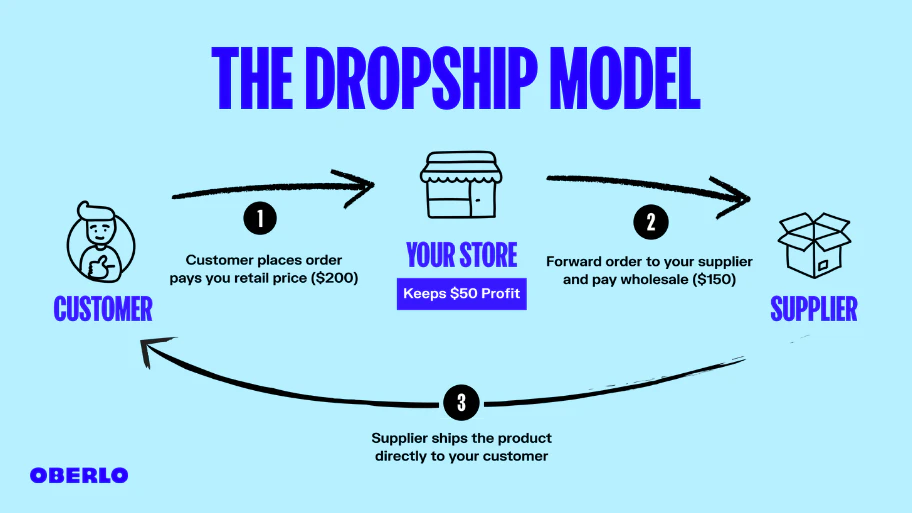
1. Dropshipping

Are you looking to sell products online but lack the funds for inventory and storage? Consider dropshipping! Dropshipping is an ecommerce business model where you don’t manage any physical products.

All you need to do is establish an online store and partner with suppliers. These suppliers will handle the storage, packaging, and shipping of orders to your customers. There’s no need to do a lot of product research either. Dropshipping apps like Automizely can help you find awesome products to sell.

→ Click Here to Launch Your Online Business with Shopify

There are both niche and general products you can add to your store, as long as they come from a reliable source—low quality or delayed shipping will reflect poorly on your business.

Plus, you can curate products under a theme that resonates with your audience, like sapphire rings for jewelry enthusiasts or mats for car owners.

best small business dropshipping

For a deeper understanding, check out the dropshipping course from Shopify. It sheds light on the tools and resources you need to pursue this small business idea. 

2. Print on demand

If you’re on the hunt for promising online business ideas, print on demand (POD) is certainly worth your attention.

In the POD model, you craft designs for items like phone cases, mugs, or t-shirts. But here’s the twist: you’re not doing the printing. That’s where your suppliers come in. They print, package, and ship, and you pay only after a sale—meaning no initial costs.

POD isl about customization. Everyday items become blank canvases. Your designs breathe life into them. Designing t-shirts for tech enthusiasts? Craft designs with clever coding jokes. Creating mugs for cat lovers? Think playful illustrations.

Ready to kickstart your POD journey? Get started by creating a Shopify store and integrating a POD app, such as Printify. For a marketing boost, consider partnering with Instagram influencers—they can spotlight your POD items to their vast audiences.

3. Translation

Multilingual individuals are always in demand. If you’re proficient in two or more languages, consider launching a small business to capitalize on these skills.

Begin by seeking clients on platforms like Upwork and Flexjobs to establish your portfolio. As your client base grows and you collaborate with more companies, consider expanding by hiring other translators with expertise in different languages. To further your reach, actively promote your services on social media platforms.

Only have a limited window of free time daily? No worries. Translation stands out as an optimal side business. It offers the flexibility to tailor client work around your available hours.

4. Website flipping

website flipping 101

Website flipping is gaining traction, especially among recent graduates and those working from home. The concept is straightforward: buy an existing website, refine its design and content, and then sell it at a markup.

Platforms like Flippa pave the way, offering a variety of ecommerce sites ripe for improvement. By investing in enhanced content and smart SEO strategies, you can significantly increase the site’s value.

And the best part? Once the revenue ticks up beyond your initial investment, you can relist the site. This cycle of buying, enhancing, and selling presents a great business idea with rewarding potential.

5. Home-based catering

If you have a knack for cooking and view it as a creative outlet, launching your own business in home-based catering could be a fulfilling venture.

Your initial investment will vary. For instance, if you focus on smaller events you can manage yourself, costs may be more modest.

To kick things off, most home-based caterers set up a website, get involved in local food markets, or join platforms that let culinary experts earn from their skills..

6. Dog walking

It can be difficult to keep up with a furry friend, particularly high-energy breeds with limited outdoor access. As a professional dog walker, you’ll be helping pet owners in the community keep their dogs happy, healthy, and well exercised.

Dog walking requires no initial investments other than marketing and business liability insurance. This will protect you in case of accidents, bites, or unexpected lawsuits. It’s a good idea to charge prices that reflect your insurance costs, with the average range between $30 to $60 an hour.

You can establish a presence for your dog walking business on a number of platforms, including Wag!, Rover, and Care.com. Offer promotions for new clients and build a positive reputation by requesting reviews from those you’ve worked with in the past.

7. Virtual assistant

One of the most successful business ideas is to offer virtual assistant services. Everyone from large enterprises to solopreneurs requires help with the day-to-day management of their business. You can use your excellent organizational skills to take some weight off their shoulders. 

Of course, you’ll get paid for the time and effort you put into answering emails, scheduling meetings, and performing other administrative duties. 

You can land your first few clients by responding to listings on platforms like FreeUp, PeoplePerHour, or Virtual Assistant Jobs. This is a proven business model, as people are always looking for efficient virtual assistants. 

8. Personal shopping

Do you have a knack for identifying fashion trends? If friends and family often seek your clothing advice, consider turning that talent into a personal shopping business.

Personal shoppers select clothing for clients who lack the time or inclination to shop. This involves assessing the client’s current wardrobe, browsing various online boutiques, and choosing items that fit their style. The variety of products in online stores means you don’t always have to shop in-person.

What’s more, there’s no specific certification or degree required to become a personal shopper. If you’re drawn to low-investment business ideas, personal shopping could be your ideal choice.

9. Car detailing

1651102574 erik mclean jczdrlqgdrm unsplash

Contrary to popular belief, you can turn car detailing from a hobby into a thriving small business. Clients typically pay anywhere from $50 to $400 per vehicle, so with a consistent client base, you stand to earn a substantial profit.

Your marketing strategy holds the key to your success in the car detailing business. Create a website or utilize social media platforms to promote your services, and always encourage happy clients to leave reviews. Consider offering introductory discounts or package deals to entice new customers. 

To start, all you need are cleaning supplies and a driveway. If you want to up your game, think about getting a certification from the IDA or attending a craftsmanship seminar.

10. Online tutoring

If you’re an expert in art, math, or another subject, consider starting your own small business in online tutoring. A bachelor’s degree in the subject you plan to teach is usually a must.

Sites like Skooli and Tutor.com are great places to connect with students in need. It’s beneficial to teach topics you’re passionate about and knowledgeable in, ensuring you provide real value.

And with tools like Zoom, conducting online sessions is a breeze. Online tutoring not only taps into your expertise but also stands out as one of the more accessible small businesses to kick off.

11. Greeting cards

Greeting cards are always in style. So, if you have a good eye for design or just love showcasing your artwork on physical items, consider making greeting cards to sell online.

Before you start looking for clients, you need to have a handful of designs ready to go. Tools like Photoshop and Canva make it easy to create custom card designs. Additionally, you’ll need to stock up on supplies required to create greeting cards (ink, paper, etc.). 

Pro tip: If you want to keep costs low, consider buying your supplies wholesale. Once you have the inventory, you can start generating revenue by marketing your business on Facebook, Etsy, and other similar platforms. 

12. Content writing

profitable business ideas for 2020

Almost every company with a web presence needs help creating content for product pages, blogs, etc. 

As such, starting a content writing or copywriting company could be one of the most profitable business ideas for you. Popular websites for finding those first few customers include Remote.co, Problogger, and BloggingPro

You can also join content writing groups on Facebook to get more exposure for your business. To make a good impression on clients, consider offering keyword optimization or custom graphics as part of your services. 

13. Homemade products

If you excel at molding soap bars, brewing drinks, or baking specialty products, think about starting a homemade crafts business. It’s more than just a creative outlet. As word spreads, the potential to scale is significant.

Agricultural products, beauty solutions like cosmetics and soaps, and jewelry are among the most profitable homemade items. As most business owners in this niche will tell you, combining raw materials with effort can offer a good return.

Starting out? Consider selling your unique products at local farmers market. Platforms like Etsy or iCraft also provide great storefront opportunities. To give your products an edge, infuse them with a twist. Think along the lines of dessert-themed bath bombs or pop-culture influenced clothing items.

14. WordPress support

A lot of websites out there are hosted on WordPress, and almost every WordPress website owner requires support in some form. So, if you’re familiar with the ins and outs of this platform, you’ll have several opportunities to make money. 

Clients may contact you to fix their CSS, find and address security holes, and more. While you can use platforms like PeoplePerHour and Upwork to get your first clients, we recommend creating a custom website and listing your services there. That way, you’ll be able to avoid high commissions and build high-quality relationships with your clients. 

Hands down, offering WordPress support is one of the best business ideas to try in 2024.

15. Career coaching

With rising unemployment and a saturated job market, there’s no shortage of people needing help finding jobs. If you have a talent for helping your friends and family find suitable employment, you can probably help others too. 

Consider starting a career coaching business where you help others figure out what the best career for them is, how to nail an interview, what traits define a good candidate, and more. You can look for clients in Facebook groups or on platforms like Coach.me

The best thing about this business is that you can make money by conducting four to five hourly sessions a month. Plus, you can coach multiple clients in a single session. If you’re looking for good business ideas that won’t occupy too much of your time, career coaching may be the right option for you. 

16. Email marketing

1605200331 email marketing

Are you good at writing emails? Have you cracked the code for crafting subject lines that people can’t help but click? If so, you can step into entrepreneurship and make money by launching an email marketing business.

You can find companies that need help with their email strategy on platforms like PeoplePerHour and Upwork, as well as via cold outreach. Once you show your expertise in engaging recipients, clients will see the value in your services and many may agree to the price you quote them. Major brownie points if you can help grow their email list.

Startup costs include investing in email marketing tools, which will automate many of your tasks.

17. Contract cleaning

Not everyone has the time or skills to clean on a regular basis. By becoming a professional cleaner, you can assist home and business owners with scrubbing, dusting, vacuuming, and more, all while enjoying flexibility in your working hours due to the ongoing demand for cleaning services.

Startup costs for household cleaning businesses are extremely low. Cleaning supplies and materials usually cost less than $100, though you might also consider investing in specialty equipment like steam vacuums or carpet cleaners. Setting up a website or social media page can be an effective and low-cost way to promote your services.

The fees you charge will depend on the needs of your clients. While most cleaners charge by the hour, some may have additional expenses associated with certain tasks (organization, deep cleaning, etc.). Use tools like Angi Leads to showcase your business and research competitive pricing. Don’t forget to register as an LLC and complete all necessary paperwork.

18. Meals to go

There’s a growing demand from those who struggle to find the time to cook nutritious and healthy meals. This trend offers a perfect opportunity to start your own meals-to-go business in your locality.

Contrary to popular belief, you don’t need to invest heavily in a large commercial kitchen. A shared rental kitchen can efficiently cater to a meals-to-go business. These spaces come equipped with essential supplies and can be rented by month, day, or hour. You can find shared-use, licensed commissary kitchens on websites like The Kitchen Door.

19. Landscaping services

Are you passionate about gardening and yard work? Starting a landscaping business could be the perfect avenue to transform your hobby into a profitable venture. Landscaping services encompass a wide range of jobs, from mowing lawns to planting flowers and shrubs. Depending on your local climate, the demand for these services may vary seasonally.

Identify what you excel at and tailor your business to cater to a specific audience. Maintain an updated portfolio of your most exceptional work. If you specialize in unique services like fertilizing or pest control, make sure to prominently display these on your social media platforms.

To secure your initial clients, you might consider going door to door in your community or utilizing platforms like TaskEasy. Websites such as HomeAdvisor can also connect you with potential clients in your area.

20. Website testing

1605653272 website

Did you know many digital brands hire real individuals to provide feedback on their websites? These external insights help them pinpoint and rectify problems that internal developers might have overlooked. You can leverage this demand by assembling a team of freelancers and establishing your own website testing company.

For each project you undertake, your team would be provided with a set of questions to guide them as they navigate a client’s website. They’d then share their impressions on the site’s user experience and potential improvements through video feedback.

You can find work through websites like UserTesting, Ferpection, and TryMyUI

21. SEO 

Do you have experience in generating backlinks and improving the search engine visibility of a website? If yes, then there’s an opportunity for you to cash in on your skill set. 

Site owners worldwide require the services of SEO experts, so opening a business in this field could turn out to be one of your best decisions. To attract clients, target a niche audience, leverage past experiences, and highlight your success stories.

With monthly retainers of $500 to $1,000, selling SEO services is one of the best business ideas to make money in 2024.

22. App development

App development is one of the best profitable small business ideas, since so many companies require an app. Not to mention, the cost of starting this venture has drastically gone down due to the growth of tools and affordable developers.

Today, you can use software like OmniGraffle or Sketch to create the wireframes and mockups before you decide to publish the app. Alternatively, you can hire a freelance app developer via AngelList and Upwork

There’s also the opportunity to earn passive income by creating apps for the general audience. Of course, that requires you to develop a monetization strategy that generates recurring revenue. Profitable strategies include offering in-app purchases and charging for a premium version of your app.

23. Virtual dance studio

The upsides to a virtual dance studio are pretty obvious: You don’t need to rent a big space, and it’s convenient to record, publish, and share the choreography at your own discretion. It’s even possible to give dance classes from home, making it one of the best home-based business ideas.

To start a virtual dance studio, you’ll need to invest in video conferencing software, such as Zoom. You’ll also need high-speed internet to ensure there are no lags or buffering during the livestream. Make sure to arrange enough classes per month so that your students learn their routines fast.

If you have a passion for creating your own unique choreography, you may also find opportunities to partner with dance schools to give their students access to your content on a membership basis. 

24. Stock photography

stock photography business

If you have the ability to capture great candid moments or recently did a portrait shoot of a relative, you can become a stock photographer by registering a sole proprietorship under your name. 

Companies like Shutterstock, Adobe Stock, and the like are always open for image submissions. You can start by listing a few of your existing photos on these platforms. Once you’ve submitted your photographs, wait for people to download them. 

Most stock photography websites pay you a royalty for every download on their platform. Another option is to launch your own photography website and sell images directly to people, which is only viable if you have the resources to invest in marketing. 

25. Instagram consulting

If you know the secrets to Instagram engagement, consider starting an Instagram consulting business. Clients will pay you for crafting engaging captions, responding to comments, creating attractive bios, and more.

You can monetize these services by charging a specific rate per hour or by project. This is the ideal business model for digital nomads, as all tasks can be managed from a laptop or smartphone.

To become a sought-after Instagram consultant, master the skill of creating killer Instagram ads that encourage engagement and drive purchases. You can launch your consulting business by marketing your services on platforms like Upwork and other social media channels.

26. Video production

According to video marketing statistics, the number of digital video viewers in the US alone has reached 244.4 million. With more and more videos being watched than ever before, there’s certainly a need for people who can record, edit, cut, and publish videos. Therefore, starting a video production company might turn out to be a lucrative business idea for you. 

The initial investment for this venture includes a basic lighting set, wireless microphones, one to two cameras (and lenses), and editing software such as Adobe Premiere or Final Cut Pro. Consider sourcing second-hand equipment to cut down on startup costs.

You can offer to produce video content for companies’ YouTube channels, manage graduation and wedding videography, and more. While there’s no restriction to the types of projects you can do, specializing in a niche makes it easy to stand out in a busy marketplace. 

27. Software education

Are there people in your circle struggling with computer software? If so, starting a software education venture could be lucrative.

Your students might range from entrepreneurs enhancing their IT capabilities to small business owners mastering tools like Excel and PowerPoint. As the primary expert, you can spearhead most of the training sessions.

As enrollment grows, consider bringing onboard freelance software experts to cover specialized topics. While renting a space for physical classes is an option, virtual classes could reduce costs and broaden your reach.

28. College preparation

Niche staffing agency

The business of assisting high school students in securing college admissions is thriving. As IBISWorld notes, the testing and educational support industry’s market size was a staggering $17.9 billion last year.

Initiate your venture by choosing a specific aspect of college prep, like ACT tutoring or admission essay coaching. Once your niche is clear, register your business and start reaching out to students.

29. Niche staffing agency

Nearly every industry has open jobs, and employers are keen to hire the best people for their companies. Your task as a niche staffing agency is to match employees to employers in your sector of choice. 

Figure out what type of roles you’ll be staffing (Junior? Mid-level? C-level?) so you can identify the right candidates for the position. Additionally, consider the employment terms that your agency will share with potential candidates. 

You can be a temporary, temporary-to-permanent, or long-term staffing agency based on the needs of the market.

30. Digital event planning

One of the best small business ideas is to open up a digital event planning company. In this business, you’ll plan, organize, and report on digital events like webinars and online summits for different companies. 

Money can be made by charging an hourly fee for your service, selling sponsorships, etc. If you ever dreamed of planning a wedding or exhibition, but never quite had the time to organize anything, you can still channel your inner facilitator by planning digital events for people and businesses.

Want to work at a beach or your grandma’s house? Go ahead, no one is going to stop or question you. This is the dream life many people hope to live one day, and thanks to some great business ideas, achieving that lifestyle is well within your reach.

31. Personal training

The rise in fitness enthusiasm is undeniable. Everywhere we turn, conversations about health, weight loss, and muscle toning dominate. This evolving landscape presents a golden opportunity for personal trainers.

Being a personal trainer transcends simple exercise instruction. They craft tailored plans, providing both motivation and consistent accountability. Clients invest not just in workouts, but in the comprehensive expertise a personal trainer offers.

This expertise isn’t confined to gym walls. The surge of virtual training sessions allows personal trainers to tap into a global clientele. For those deeply passionate about fitness, establishing a personal training business stands at the intersection of profit and passion.

32. Child care

1605713916 children wearing school bags

The child care landscape is experiencing a dramatic transformation. Parents grappling with mounting costs are seeking reliable child care alternatives more than ever.

The current imbalance between soaring demand and limited availability spells opportunity for aspiring entrepreneurs. Bolstered by President Joe Biden’s infrastructure bill, which earmarks federal funds for child care enhancements, the industry is ripe for new entrants.

For those who have a knack for nurturing children and can navigate the licensing process, establishing a child care business might just be a golden ticket.

33. Home enhancement

Got an eye for aesthetics and space management? Consider getting into home enhancement, where you transform everyday spaces into showpiece properties.

Initially, you can magnify the appeal of homes using the owner’s existing items, keeping startup costs low. As you gain momentum, many professionals in this field curate their own collection of versatile furnishings.

To dive into this venture, networking is paramount. Engage with your local real estate community, attending their events armed with your business cards. As you curate a portfolio, your accomplished projects can find a spotlight on your dedicated website.

1648459115 white sneaker.png?dpr=0
1648460220 black sneaker.png?dpr=0
1623461337 oberlosketch13

Start a small business today

There you have it—a list of 33 small business ideas that will make you money in 2024. To give yourself the best chance of success, focus on one idea at a time until you find one that aligns with your abilities. 

Thousands of entrepreneurs have implemented these business ideas to make money, so you can be sure that you’re putting your time and effort into something viable and proven. Whether you’re a college student, a work-at-home parent, or anyone else looking to start a business, remember there are plenty of opportunities to earn a sizable income. 

Want to learn more?

[ad_2]

Source link