Starting a website from scratch can be tough for a new developer. These themes from CMS Hub are perfect for beginners who are just starting their foray into the world of website development.
Use the following jump links to navigate the article, or keep scrolling:
Benefits of Using CMS Hub Themes
CMS Hub Themes are perfect for beginners because you get to work within the easy-to-use HubSpot interface. Instead of being restricted to designs through a template, you have modules, or reusable components that can be used in templates or added to pages through drag and drop areas and flexible columns.
Basically, this means that your website is more customizable than through other web hosting tools, while being easier to work with. You can tailor your website any way you want with little to no coding experience.
The best thing about using a CMS Hub theme with HubSpot is that everything is beginner-friendly. We‘ve put together some of the most beginner-friendly themes, but you can’t go wrong with anything from our Theme Marketplace.
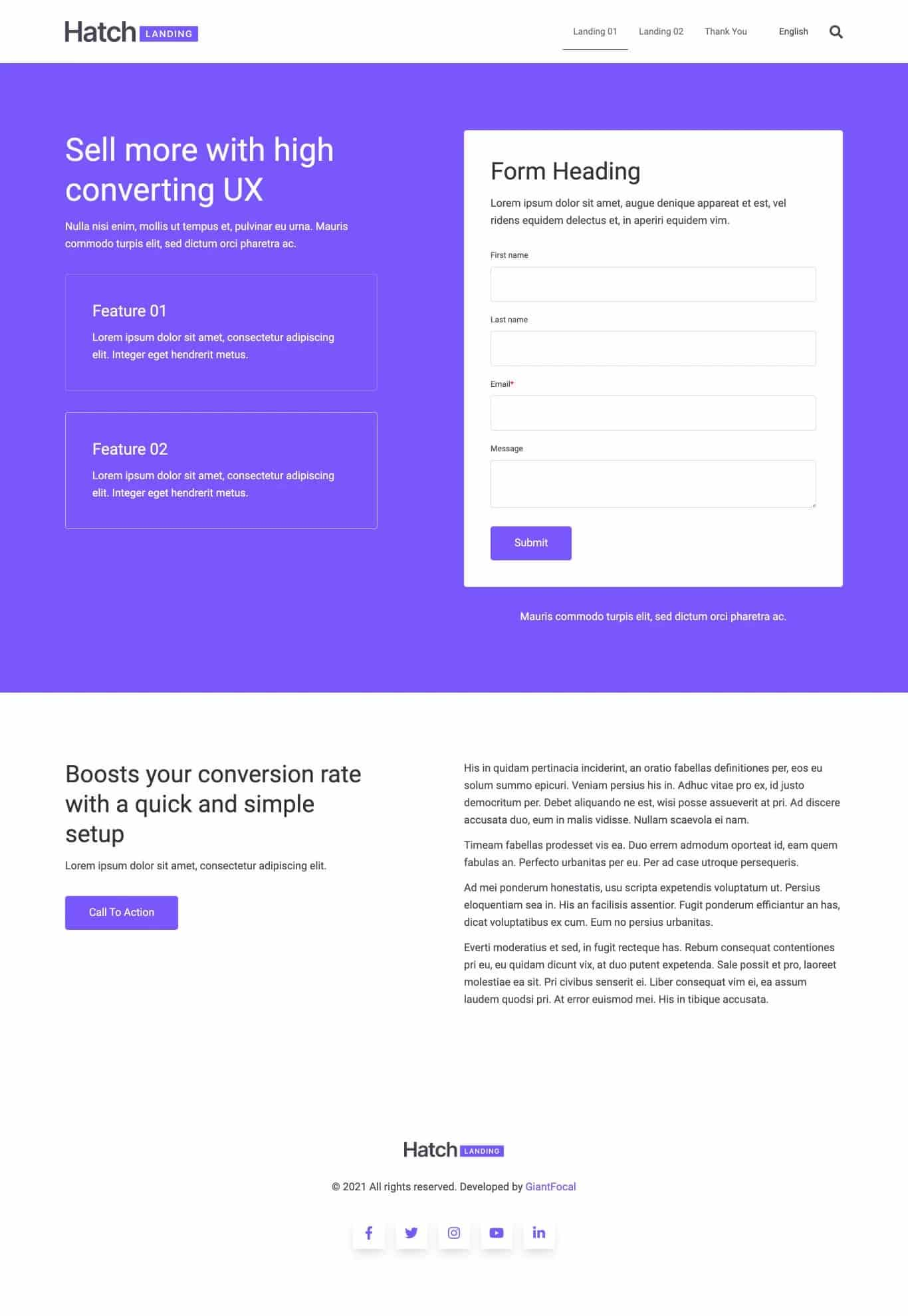
Hatch Landing Theme by GiantFocal is our first pick for best CMS Hub Themes for beginners and for good reason. GiantFocal offers the option to work with a HubSpot design and development team and access to the Knowledge Hub for additional guidance and support.
What We Like: Hatch Landing is the perfect choice for beginners. You get to work with an excellent development team, and there’s little-to-no coding required.
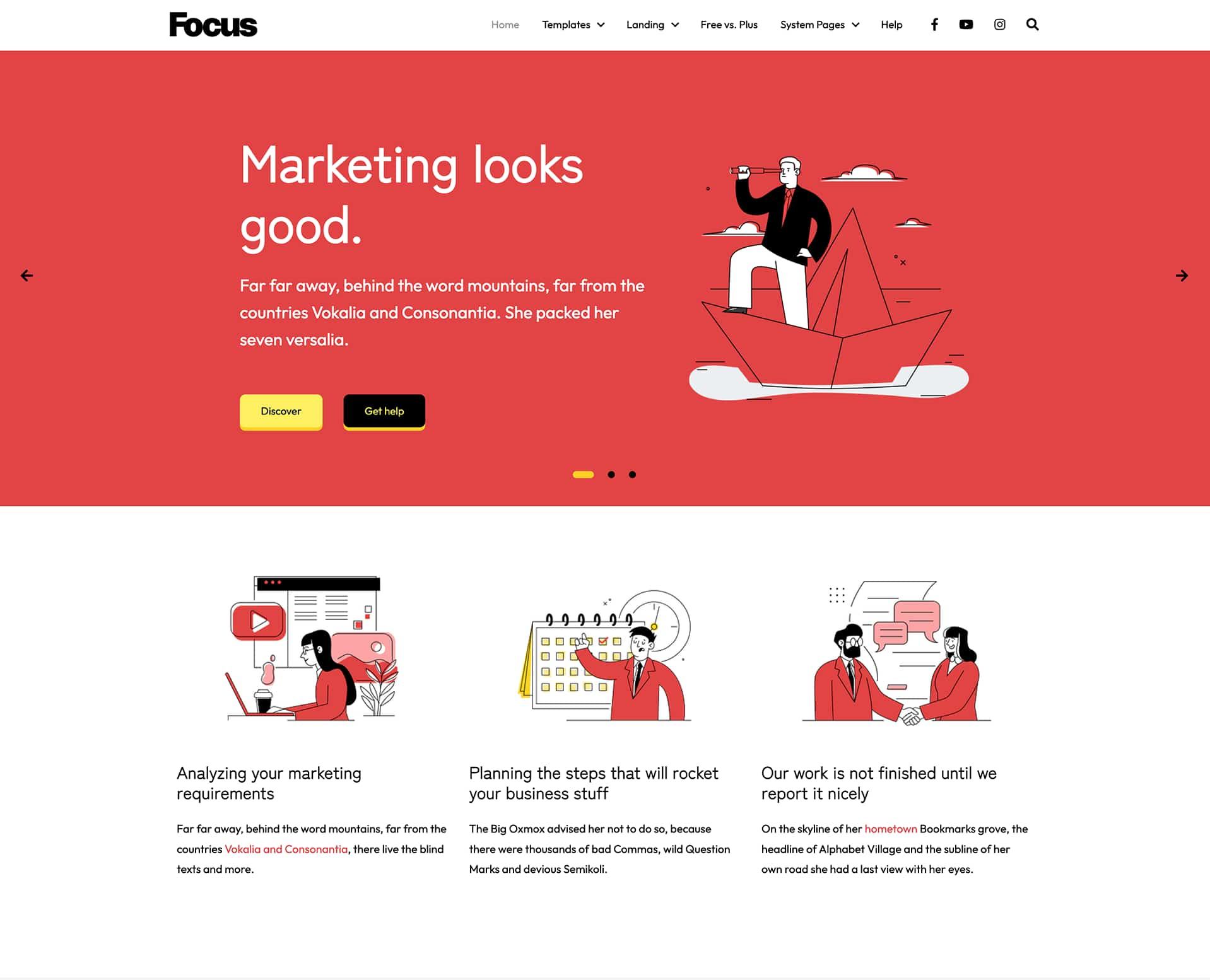
The Focus theme by Stuff Matters Inc is the top-rated CMS Hub theme on the themes marketplace, with over 10,000+ installs. The drag-and-drop editor makes this a great theme for any beginner.
What We Like: Stuff Matters provides detailed documentation, and premium support to answer all your questions regarding the Focus theme and CMS Hub. The extra support should make it easy for any beginner to get started and be ready for any challenges that come their way.
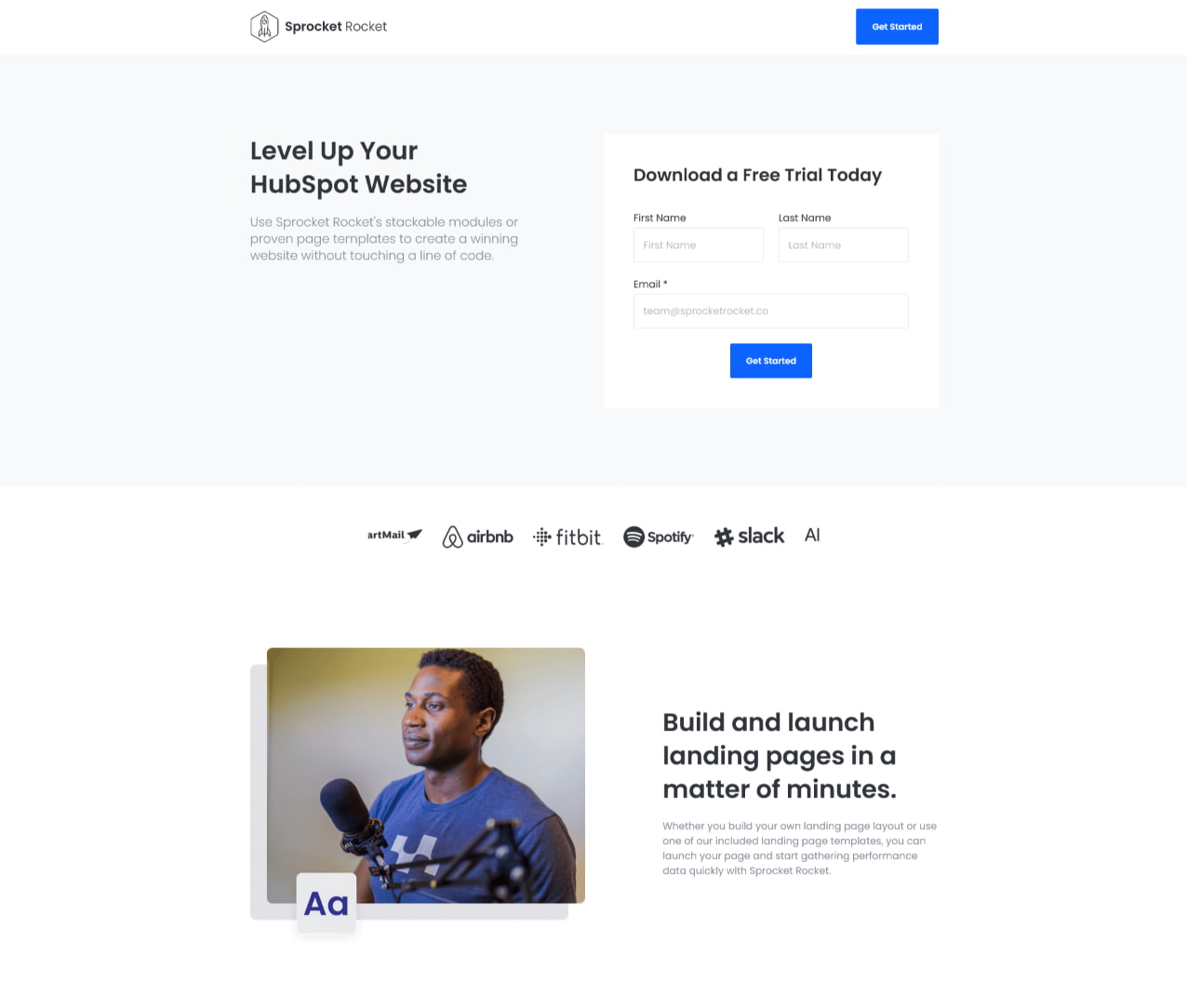
Sprocket Rocket is a fully modular theme (with 10,000+ installs) designed for marketers using HubSpot CMS, offering a dedicated design and productivity app. It simplifies the process of building beautiful and on-brand pages by providing a visual layout builder that requires no coding.
What We Like: Sprocket Rocket enables beginners to create great pages with 12 theme modules. It also includes free upgrades, bug fixes, and unlimited support making it a great choice for beginners.
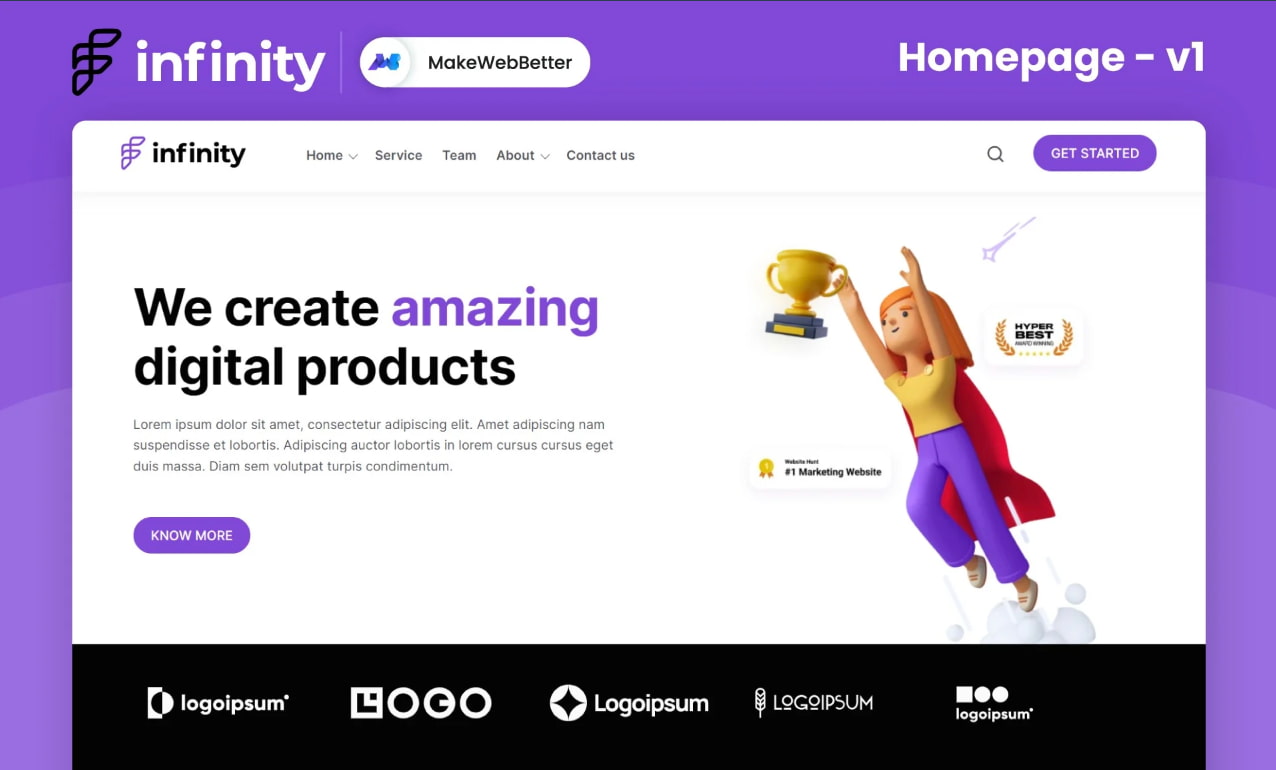
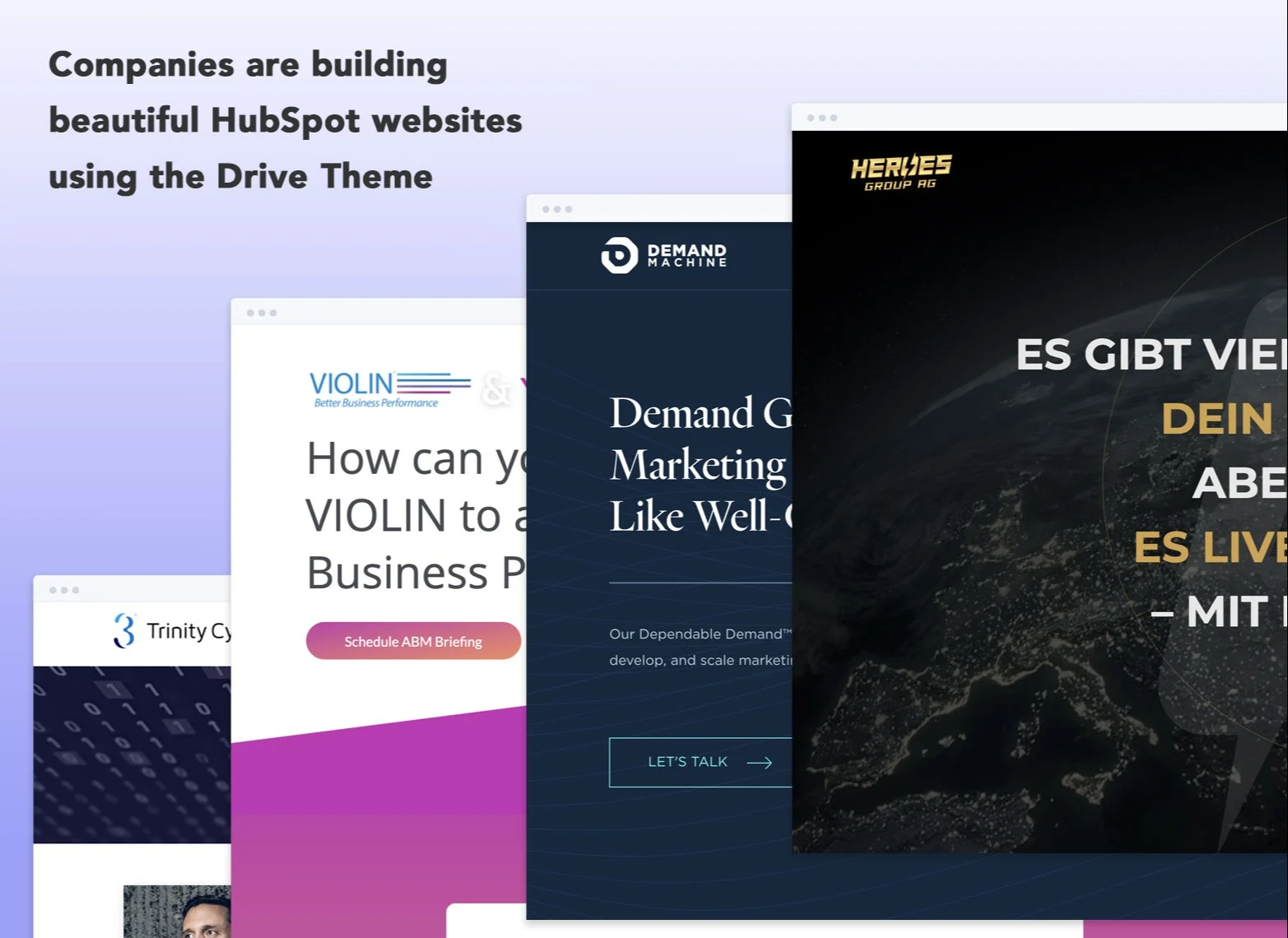
The Drive Lite Version Theme by Drive Web Studio is a minimalistic yet feature-rich CMS Hub theme. The drag-and-drop editor lets you create a beautiful website to your liking without any code.
What We Like: Everything about this theme is tailored to having the best on-page SEO practices. Beginner website developers can rest assured that their web pages have a great chance at getting ranked on Google.
Choosing the Right CMS Hub Theme
When choosing the right CMS theme for your website, there are three important factors to consider:
Ease of use This is crucial, especially for beginners. While all of our themes are beginner-friendly, you can get extra value from those that offer free consultation services.
Level of customization and design options Just because you want to build a website without much coding experience doesn’t mean you should have to compromise on your vision. Pick a theme that lets you build exactly what you want
Once you have a good idea of what you‘re looking for, you can pick the right theme for you. Of course, with the themes on this list, it’s hard to make a bad choice.
Start Your Website Transformation With a CMS Hub Theme Today
Take action and begin exploring the best CMS Hub Themes for beginners to revamp your website.
Wondering why customers leave? Subscription businesses have dramatically increased in popularity in recent years. About half of consumers now subscribe to at least one media subscription service. And more than 15 percent have signed up for subscription services from ecommerce businesses.
You want your business to be successful over a long period of time. So you need to keep a consistent customer base. It’s not enough to constantly bring in new customers. So learning about your customers and making improvements to keep them happy can have a positive impact on your numbers overall.
Brightback is a customer segmentation tool that allows subscription businesses to easily learn why customers are leaving so you can address their concerns and ultimately improve customer retention. Here are some things to know about this option and what businesses of all types can learn from customers who are planning on leaving.
Benefits of Learning Why Customers Leave
Brightback CEO Guy Marion said in a phone interview with Small Business Trends, “We’re coming to a stage in the industry where it’s no longer good enough to just focus on grow, grow, grow. Retaining customers is the number one way to improve profitability.”
If you run a subscription business, you lose money every time someone hits that unsubscribe button. So pinpoint the reason that customer is leaving. And you may be able to craft a new offer that addresses their concerns and convinces them to stay.
Even if you can’t stop that specific customer from leaving, their concerns may also apply to others. So addressing them could help you prevent even more churn going forward.
This general concept also applies to companies outside of the subscription space. Even without the specific unsubscribe button. Do you regularly survey customers and past customers? How about just digging deep into the reviews and feedback you receive? You may be able to find patterns or areas where your business could improve customer experience. This could ultimately help you turn more people into return customers. And it could improve overall satisfaction.
Common Reasons Why Customers Leave
For subscription based businesses, there are some reasons why customers might leave you can’t do much about. For instance, a customer might simply not have a need for your product or service anymore. Or their budget may have changed. And it won’t allow them to continue paying the monthly or quarterly cost.
However, there are also plenty of instances why customers might leave that you can ultimately address.
Marion says, “Companies are losing customers all the time that they shouldn’t be losing because of a negative customer service interaction or simply not seeing the value in what they’re paying for.”
Some of the most common reasons why customers might leave may include:
Insufficient onboarding – If your product or service is complicated and requires some training or explanation, your current materials may not be sufficient in helping them get the full value.
Negative customer service experiences – Customers may be frustrated with long wait times when they call your help desk or with lack of helpful responses from your staff, in which case extra training or accountability may be necessary.
Lack of value – Some customers might have the budget for your product but simply don’t feel like they’re getting enough out of it to justify the cost, which means an additional offer or add-on may help.
High prices – This is similar to lack of value. However, some customers may be more apt to respond to an offer for discounts or deals rather than added content or value.
What to Do About It
If you want to salvage relationships with customers who are attempting to unsubscribe from your product or service, you need to act quickly and address their specific concerns.
Marion says, “You have to break down the reasons and then find quick, actionable solutions you can take. For example, if you have a problem with onboarding, you may need to improve your educational materials and make them less complicated.”
Brightback automates this process. It segments customers and tests various offers to try to keep from unsubscribing. You can create your own custom filters. And then have customers directed toward offer pages that are most relevant to them.
For instance, one might go to a page where they’re offered a better deal, while another might go to a page where they’re offered a digital version of the product they’re subscribed to.
If you’re not a subscription based business or don’t have access to tools that can help you automate this process, you can still try to keep this general idea in mind. Learning from your customers who are leaving can help you better understand the risks that your company faces.
When you know the negatives about your customer experience, you have a better chance to address them and stop them from becoming a problem going forward.
Use regular surveys, reviews, or tools like Brightback. Constantly learn from your customers. This is key. And insights from unhappy customers or those who are at risk of leaving may be especially useful.
Why Customers Leave Summary
Reasons for Customer Departure
Explanation
Potential Solutions
Insufficient onboarding
Customers may struggle to understand or utilize the product fully due to lack of effective training or explanatory materials, diminishing the product’s value in their perspective.
Enhance educational materials, simplify the onboarding process, or introduce step-by-step guides to help customers get started.
Negative customer service experiences
Poor customer service, such as long wait times or unhelpful staff responses, can frustrate customers and prompt them to unsubscribe.
Provide additional training for customer service staff, implement accountability measures, or introduce new customer service channels (e.g., live chat, hotline).
Lack of value
Customers might perceive that the product’s benefits do not justify its cost, even if they can afford it, suggesting they don’t see enough utility or advantage in maintaining the service.
Develop additional offers, introduce value-added services or features, or create personalized packages that cater more directly to customer needs.
High prices
Some customers may find the cost too high relative to the value received, or they might be encountering budgetary constraints that force them to reassess their subscriptions.
Introduce different pricing tiers, offer discounts or promotional deals, or provide exclusive content or perks to enhance the perceived value.
Navigating the world of AI front end development has always been a dance between the technical and the artistic. Many frontend developers has faced those moments where creativity and technical limitations seem to be at constant odds. I remember spending countless hours trying to bring a visionary UI/UX design to life, only to be tethered by the realities of coding constraints and browser compatibilities.
A growing trend in the food industry could be of major interest to new entrepreneurs and small businesses: Shared kitchens. Sometimes known as kitchen incubators or community kitchens, this small business trend allows chefs, bakers, caterers or other food-related professionals to split the cost of a professional kitchen space. This offers a ton of potential practical and cost benefits.
If you’re thinking about starting a food business or may be interested in utilizing this concept for your existing business, here’s what you need to know.
Relatedly, here’s news from News 19 WLTX, about how shared kitchens are a benefit for both sides:
What Is a Shared Kitchen?
A shared kitchen is a commercial space that has been licensed, certified, and equipped for professional food production. The space is available for entrepreneurs to rent, usually through flexible plans. Basically, they’re like membership organizations for food businesses. You pay a monthly rate based on how much time you need to use the space. Some require you to sign up for a specific amount of time that stays fairly steady each month. Others allow you to be more flexible and just rent space by the hour as you need it. Regardless of the specific model you go with, you get access to the space and all of the equipment and regulatory compliance it provides. Some shared kitchens also provide complementary services for food businesses, like access to packaging resources or business training courses.
These spaces are really meant for food businesses that don’t need to deal with consumers directly at their food production location. Event caterers, wholesale bakers, packaged food sellers and even food truck vendors can all make use of this type of space. They’re not ideal for actual restaurants, since they mainly just provide the kitchen space and don’t offer extra space of accommodations for consumers to visit. However, many do offer food storage space so you don’t necessarily need to take everything with you when you leave after each visit.
Benefits of a Shared Kitchen
Shared kitchens offer a multitude of advantages for budding entrepreneurs and established food businesses alike. They are a boon for those who wish to economize, innovate, and collaborate without the overheads of owning a full-scale facility. Let’s delve deeper into the key benefits:
Cost-Effective: One of the most prominent advantages of shared kitchens is the cost savings. With the ability to divide the monthly rent among several food businesses, it becomes economically viable. This model is especially beneficial for those who don’t need constant kitchen access, such as caterers who primarily operate over the weekends. Instead of bearing the weight of a full month’s rent for infrequent use, these entrepreneurs can pay only for the time they utilize.
Fully Equipped: Shared kitchens typically come with the added benefit of being fully stocked with the necessary equipment. While there’s usually a membership fee associated with accessing these tools, it saves businesses the substantial upfront cost and hassle of purchasing and maintaining these appliances on their own.
Regulation-Compliant: Compliance with local food safety and cleanliness regulations can be intricate and challenging, particularly for newcomers to the food industry. Shared kitchens are often designed to meet these stringent standards, offering businesses a hassle-free way to operate within legal confines. This is invaluable for ensuring safety, streamlining the licensing process, and building consumer trust.
A Solution for Home Cooks: In regions where regulatory standards demand commercial-grade facilities for food sale, shared kitchens are a lifeline. Even in states where entrepreneurs can use home kitchens for commercial purposes, the home setup must meet specific standards. For places like New Jersey, where home kitchens cannot operate commercially, shared kitchens offer a viable and compliant alternative.
Where to Find a Shared Kitchen
Shared kitchens tend to be especially popular in busy metropolitan areas. Of course, there needs to be enough independent food businesses in the area to make running such a facility worthwhile. But it’s worth looking into even if you’re in a less populous community as well.
Most of these businesses operate regionally. So you’ll likely need to find an independent kitchen that’s located nearby. And the exact services and rates can vary widely. For example, 24-7 Shared Kitchen in Lawrenceville, Georgia offers monthly rates as low as $200. Some even offer straight hourly rates, like The City Kitch in Charlotte, North Carolina for $30 an hour. Moreover, some offer shifts, like Hana Kitchens in New York, which has rates as low as $150 for the midnight shift.
There are also networks and services like The Food Corridor that can help you find a shared kitchen in your area that meets your needs. The NICK is the company’s network of kitchens. You can simply visit the site and enter your location to find options in your area. Then, you can compare rates and features to find the option that works best for your specific business model.
The Food Corridor currently has more than 80 shared kitchens included in its network across the U.S. and Canada. And the concept appears to be growing by the year. If you’re interested in taking advantage of one of these kitchens for your business, you should be able to find something that’s at least relatively close to your area. If you can’t find something suitable online, try connecting with your local chamber of commerce or other local business organizations to see if there are opportunities that might work for you.
Choosing the Right Shared Kitchen: Key Considerations
When considering the best-suited shared kitchen for your needs, it’s essential to have a clear checklist of what to look for. The following table highlights the critical features and considerations to keep in mind to ensure the space meets your business needs:
Feature/Consideration
Why It’s Important
Location
Proximity to suppliers, your home, or events can save on transport and time.
Rate Structure
Flexibility in hourly, monthly, or shift rates can match variable needs.
Equipment Availability
Ensures you have the tools needed without additional investment.
Regulatory Compliance
Avoids fines and ensures the safety of products.
Storage Space
Ability to leave ingredients or products can be crucial for logistics.
Additional Services
Business training or packaging resources can add value and support growth.
If you’ve ever encountered special characters or symbols on a website, you’ve already seen HTML entities in action. They’re a vital part of web content, adding clarity and precision. However, they often remain misunderstood or overlooked. Today, we’re set to change that, turning the obscure into the obvious, and the complicated into the comprehensible.
In today’s visually driven world, the art of graphic design is crucial for any business aiming to establish a robust brand identity. With the rise of digital platforms, the demand for captivating visuals has never been higher. If you’re looking to convey ideas and messages to your audience effectively, you might be thinking about how to hire a graphic designer who can deliver those dynamic designs that resonate.
Should I Hire a Graphic Designer?
You’ve probably found yourself wondering, “Is hiring a graphic designer really necessary?” Think of it this way: every time you present your business, be it on a brochure, website, or social media, you’re making an impression. Having a professional graphic designer ensures that this impression is a memorable one.
Hiring a graphic designer goes beyond just making things look pretty. They craft marketing materials with a deep understanding of color, typography, and layout, ensuring that the visuals connect emotionally with your audience. When your visuals resonate, they become more than just designs; they turn into powerful communication tools.
Key Responsibilities of a Graphic Designer
Graphic design is much more than simply making things look appealing. A graphic designer is often a jack-of-all-trades, juggling various responsibilities to ensure that their work is both attractive and effective. Here are some of their key tasks:
Marketing Material Creation: From brochures to digital ads, a graphic design artist crafts materials that effectively communicate a company’s message. When thinking of a graphic designer job description, one can refer to the informative article for a detailed breakdown.
Adobe Creative Suite Mastery: This suite, which includes software like Photoshop, Illustrator, and InDesign, is the backbone of many design projects. Proficiency in these tools is essential.
Logo Design: Crafting a memorable logo is a delicate process. After finalizing a logo, it might be necessary to send an interview rejection letter to the other potential designers.
Branding: Beyond just the logo, designers also work on creating a consistent visual identity across all platforms and mediums. They might need a training plan template to streamline the process.
Web Design: In the digital age, many graphic designers also venture into web design, ensuring a brand’s online presence is both functional and visually appealing. Some even look for unusual ways to promote a job opening in this domain.
How Much Does It Cost to Hire a Graphic Designer?
The cost to hire a graphic design expert can vary significantly based on various factors:
Freelance vs. Full-Time: Freelancers often charge per project or per hour, whereas a full-time designer will have a consistent salary. It’s essential to understand how much do graphic designers make to budget appropriately.
Experience Level: A seasoned designer with years of expertise might command higher fees than a recent graduate.
Specialization: Some graphic design services specialize in areas like UX/UI, which can impact their pricing.
Geographical Location: Hiring a designer from a city with a high cost of living might be pricier than one from a region where costs are lower.
Essential Qualities of a Graphic Designer
A great graphic designer boasts a mix of technical proficiency and artistic prowess. Here’s what to look for:
Tool Proficiency: Beyond Adobe Suite, knowledge of other tools like CorelDraw or Sketch is beneficial. Additionally, understanding how to onboard new employees can be a valuable skill.
Artistic Ability: As graphic artists, they should have a keen sense of aesthetics and an understanding of color theory, typography, and layout.
Creative Flair: The best designers bring a unique touch to their work, ensuring fresh and innovative designs. They are always on the lookout for ways to reduce hiring bias.
Benefits of Hiring a Freelance Graphic Designer
While having a full-time graphic designer on deck has its merits, there’s a growing trend toward hiring a freelance graphic designer. Here’s why:
Flexibility: Hire freelance graphic designers when you need them. No need to keep them on the payroll during downtime.
Diverse Expertise: Freelancers often work with various clients, which means they bring a broad range of experiences to the table. Sometimes, they even contemplate whether should I hire a family member.
Cost-Effective: Without the overhead costs of a full-time employee, you might find more budget-friendly rates.
No Need for Office Space: Especially handy if you’re running a business with limited physical space or are primarily online.
Key Steps to Hire a Graphic Designer
Steps
Key Points
Assessing Your Needs
Determine project scope (one-time vs. ongoing), Decide on specific needs (full brand vs. specific materials).
Where to Find Designers
Use dedicated platforms (Behance, Dribble), Explore freelance platforms (Upwork, Fiverr), Ask for referrals.
Evaluating Portfolio
Check for creativity and innovation, Assess versatility and style range, Ensure alignment and consistency.
Interviewing Designers
Ask about design philosophy, Inquire about past challenges, Understand their feedback process.
Finalizing Agreements
Detail the scope of work, Set clear timelines, Specify revisions and additional costs, Clarify copyrights.
Hiring a graphic designer can be daunting task. With so many talented individuals out there, how do you find the perfect fit? Let’s break down the key steps in the hiring process:
Assessing Your Graphic Design Needs
Before you even start looking, take a step back and assess what you truly need. Is it a one-time project or ongoing work? Do you need a full brand revamp, or are you only interested in specific marketing collateral? Having clear objectives will not only help you narrow down potential candidates but will also ensure that your chosen designer has a clear brief to work with.
Where to Find Graphic Designers
Now that you know what you want, where do you find the right talent?
Dedicated Platforms: Websites like Behance and Dribble are filled with designers showcasing their work. They’re excellent places to find top-notch talent.
Freelance Platforms: Websites like Upwork or Fiverr can help you find freelance graphic designers suited to various budgets and project scopes. Exploring different job platforms can provide more options.
Recommendations: Sometimes, the best designers come from referrals. Ask your network!
Evaluating a Designer’s Portfolio
A portfolio speaks volumes. It’s the graphic designer job to show off their skills, creativity, and style. Here’s what to focus on:
Creativity: Are their designs fresh and innovative?
Versatility: Do they showcase a range of styles, or do they stick to one specific aesthetic?
Alignment: Does their work vibe with what you envision for your project?
Consistency: While versatility is essential, there should also be a consistent level of quality across all pieces.
Interviewing Potential Graphic Designers
An interview isn’t just about evaluating skills—it’s about ensuring a good fit. Consider asking:
What’s your design philosophy?: This will give you insight into their approach and whether it aligns with your brand identity.
Can you share a challenging client experience and how you handled it?: This sheds light on their problem-solving abilities and client relations.
How do you handle feedback and revisions?: It’s crucial to know they can take constructive criticism and iterate based on your inputs.
Finalizing Terms and Agreements for the Graphic Designer Job
Once you’ve settled on a designer, it’s time to get everything in writing. A well-drafted contract protects both parties. Ensure it covers:
Scope of Work: Clearly outline deliverables. If it’s not in the contract, don’t expect it.
Timelines: Set milestones and deadlines to keep the project on track.
Revisions: Specify how many rounds of changes are included and any additional costs for extra revisions.
Copyrights: Generally, once you’ve paid for the design, you own it. But always double-check to ensure there are no lingering rights or usage restrictions.
Finding the right graphic designer is a blend of research, intuition, and due diligence. By following these steps, you’re well on your way to forging a successful design partnership.
FAQs: How to Hire a Graphic Designer
How can I ensure a graphic designer understands my brand’s voice and style?
Begin with a thorough brief detailing your brand’s essence, values, and target audience. Providing examples of designs you like, mood boards, or brand guidelines can also help. Regularly communicate and seek drafts or mock-ups early in the process to ensure alignment.
Should I hire a designer with a niche specialty?
It depends on your needs. If you’re in a unique industry that requires specific knowledge (e.g., medical illustrations), a niche designer might be beneficial. Otherwise, well-rounded top graphic designers can often adapt to various styles and requirements.
What’s the role of a graphic designer in digital marketing campaigns?
Graphic designers craft visual content to communicate messages effectively in marketing campaigns. They ensure that visuals resonate with the target audience, are optimized for different platforms (like social media, email, or web), and maintain brand consistency.
Is it worth it to hire a graphic designer?
Absolutely. A professional graphic artist or designer can elevate your brand’s image, create compelling visuals that engage your audience, and ensure consistency across all your materials. This investment can lead to enhanced brand recognition and trust.
Where is the best place to hire graphic designers or find a freelance designer?
Websites like Behance, Dribbble, Upwork, and Fiverr are popular platforms to find graphic designers. Additionally, seeking recommendations from your network or industry peers can lead to valuable connections.